A Complete Guide to the Prototyping Process: From 3D Rendering to Physical Sample
Key Takeaways
- •The prototyping process bridges the gap between digital 3D renderings and tangible, market-ready physical samples for global B2B buyers.
- •Utilizing 3D rendering significantly reduces material waste and accelerates the initial design approval phase in sustainable home decor.
- •Selecting ethically sourced materials like FSC-certified Acacia, Bamboo, and Rattan is critical to ensure compliance and quality during prototyping.
- •Creating a physical prototype requires a seamless blend of advanced technological precision and traditional Vietnamese artisanal craftsmanship.
- •Rigorous compliance testing during the prototyping phase guarantees that final products meet international BSCI, FSC, and SMETA standards.
INTRODUCTION: BRIDGING THE GAP BETWEEN VISION AND REALITY
For global buyers and interior designers, the journey from a brilliant concept to a market-ready product is fraught with challenges. How do you ensure that the intricate weave of a rattan lounge chair or the organic curve of a bamboo pendant light translates perfectly from a designer's mind into a tangible, mass-producible item? The answer lies in mastering the prototyping process.
As the Marketing Director and Sustainable Supply Chain Consultant at Ngoc Dong Ha Nam, I have witnessed firsthand how a meticulous prototyping process is the bedrock of successful B2B sourcing. In the fast-paced world of sustainable home decor, speed to market must be balanced with uncompromising quality and ethical manufacturing. This guide will walk you through our world-class prototyping process, demonstrating how we transform digital 3D renderings into breathtaking physical samples using sustainable materials like Acacia, Bamboo, Seagrass, Rattan, and Water Hyacinth.
The AIDA Approach to Prototyping
This guide is structured to capture your Attention with the possibilities of modern manufacturing, build your Interest in the technical prerequisites, ignite your Desire through the magic of physical craftsmanship, and inspire you to take Action for your next sustainable collection.
PREREQUISITES AND MATERIALS: SETTING THE FOUNDATION FOR SUCCESS
Before a single line is drawn in a CAD program or a single strand of seagrass is woven, a robust foundation must be established. The prerequisite phase is where we align your creative vision with our manufacturing capabilities and international compliance standards.
1. The Comprehensive Tech Pack
A successful prototype begins with a detailed technical package (tech pack). This includes dimensional requirements, target demographics, and functional expectations. For global buyers, this is the blueprint that dictates the entire project scope.
2. Material Selection and Sustainability
Understanding the nuances of natural materials is crucial. At Ngoc Dong Ha Nam, we specialize in rapidly renewable resources. Your tech pack must specify the desired material, whether it is the structural rigidity of FSC-certified Acacia, the lightweight versatility of Bamboo, or the textural richness of Rattan, Seagrass, and Water Hyacinth. Each material behaves differently under stress, humidity, and weaving techniques.
3. International Compliance
In today's global market, sustainability and ethical labor are non-negotiable. Before prototyping begins, we ensure that the proposed design can be manufactured in strict adherence to BSCI (Business Social Compliance Initiative) and SMETA (Sedex Members Ethical Trade Audit) standards. This guarantees that your final product will not only look beautiful but will also carry a narrative of social responsibility.
Step 1: Conceptualization and 3D Rendering
With the prerequisites in place, we move into the digital realm. Step 1 is all about visualization and precision. Modern B2B sourcing relies heavily on 3D rendering to save time, reduce costs, and minimize environmental impact.
Translating Ideas into Digital Reality
Our design engineers use advanced CAD software to build highly accurate 3D models based on your tech pack. This phase allows buyers and interior designers to view the product from every angle, zoom in on intricate weaving patterns, and assess the overall proportions within a virtual room setting.
Texture Mapping Natural Fibers
One of the unique challenges in sustainable home decor is accurately representing natural materials. We utilize high-resolution texture mapping to simulate the exact look and feel of water hyacinth braids or the natural grain of acacia wood. This ensures that the digital prototype provides a realistic expectation of the final product.
The Sustainability Advantage of 3D
By iterating designs digitally, we drastically reduce the physical material waste associated with traditional trial-and-error prototyping. You can approve structural changes, scale adjustments, and material combinations instantly, ensuring that when we move to physical production, the design is already optimized for success.
Step 2: Material Preparation and Ethical Sourcing
Once the 3D rendering is approved, the digital dream begins its transition into the physical world. Step 2 focuses on sourcing and preparing the raw materials required for the first physical sample.
Sourcing with Integrity
Our supply chain experts procure the finest natural fibers and woods. For wood components, we strictly source FSC-certified Acacia, ensuring zero contribution to deforestation. For woven elements, we partner with local farming communities to harvest bamboo, rattan, and seagrass at the peak of their strength and flexibility.
Treatment and Moisture Control
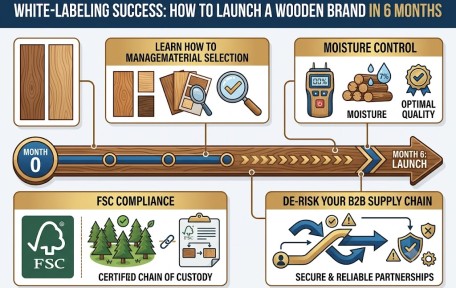
Natural materials require meticulous preparation to ensure longevity and prevent mold or structural degradation, especially during international shipping. Water hyacinth and seagrass are carefully sun-dried and treated in our specialized kilns to achieve the perfect moisture content. Bamboo and rattan undergo eco-friendly anti-pest treatments. This rigorous preparation is a hallmark of Ngoc Dong Ha Nam's commitment to delivering world-class quality that withstands diverse global climates.
Step 3: Crafting the First Physical Prototype
This is where technology meets tradition. Step 3 is the most anticipated phase of the prototyping process: the creation of the physical sample.
The Role of Master Artisans
While 3D renderings provide the exact dimensions, shaping natural materials requires the intuitive touch of human hands. Our master artisans, who possess generations of weaving expertise, take the technical drawings and begin the crafting process. They understand exactly how much tension a rattan vine can hold and how to seamlessly interlock seagrass to match the digital texture map.
Bridging Digital and Manual Techniques
For hybrid products, such as an acacia wood frame with a woven bamboo backrest, our CNC machines cut the wood to the exact millimeter specified in the 3D model. The artisans then take over, weaving the natural fibers directly into the precision-cut frame. This synergy between modern machinery and traditional craftsmanship ensures that the physical prototype is both structurally sound and aesthetically authentic.
Continuous Feedback Loop
During the physical crafting, our engineering team works alongside the artisans. If a particular weave is too tight or a structural joint needs reinforcement, immediate adjustments are made and recorded. This ensures that the prototype is not just a one-off piece of art, but a viable template for mass production.
Step 4: Review, Refinement, and Compliance Testing
A physical prototype is not complete until it has been rigorously tested. Step 4 ensures that the beautiful sample sitting in our showroom is ready for the rigors of global export and daily consumer use.
Quality Assurance and Structural Testing
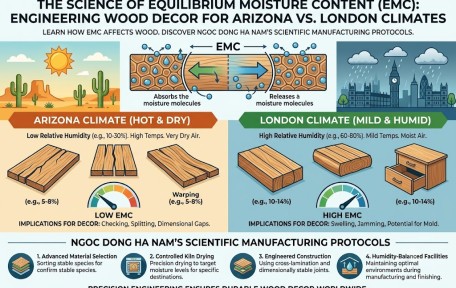
The physical sample undergoes a battery of tests. We conduct load-bearing tests for furniture, drop tests for decor items, and environmental stress tests to see how the natural fibers react to simulated humidity changes. This is critical for buyers who distribute to diverse climates across North America and Europe.
Compliance Verification
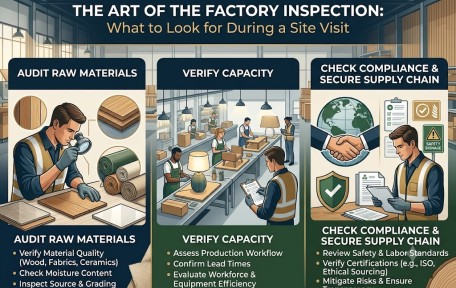
Our compliance team steps in to verify that the manufacturing process of the prototype aligns perfectly with our BSCI and SMETA certifications. We audit the labor hours required, the safety of the working conditions during crafting, and the traceability of the FSC materials used. This guarantees that when you place a volume order, there will be no compliance bottlenecks.
Client Approval
Finally, the physical sample is shipped to your headquarters. Holding the product, feeling the texture of the rattan, and seeing the rich grain of the acacia wood provides the ultimate validation. Any final tweaks are noted, the tech pack is updated, and the golden sample is sealed for mass production.
CONCLUSION: PARTNER FOR YOUR NEXT SUSTAINABLE COLLECTION
The prototyping process—from a digital 3D rendering to a meticulously crafted physical sample—is a journey of precision, sustainability, and artistry. By understanding and optimizing each step, global buyers and interior designers can confidently bring innovative, eco-friendly home decor to the market faster and with higher quality.
At Ngoc Dong Ha Nam, we do not just manufacture products; we engineer sustainable solutions. Our deep expertise in natural materials like Bamboo, Rattan, and Water Hyacinth, combined with our unwavering commitment to FSC, BSCI, and SMETA standards, makes us the premier partner for your B2B sourcing needs.
Are you ready to transform your next great design into a physical reality? Contact our team today to initiate your prototyping process and discover how our world-class supply chain can elevate your brand's sustainable home decor collection.
Frequently Asked Questions
How long does the prototyping process take from 3D render to physical sample?
Typically, the 3D rendering phase takes 3 to 5 days. Crafting the physical prototype from natural materials like rattan or seagrass takes an additional 10 to 15 days, depending on the complexity of the weave and material treatment requirements.
Why is 3D rendering important before making a physical sample in home decor?
3D rendering allows B2B buyers and designers to visualize proportions, textures, and structural integrity before any physical resources are used. This significantly reduces material waste, lowers costs, and accelerates the iteration time, aligning perfectly with sustainable manufacturing practices.
How do you ensure the physical sample matches the 3D rendering exactly?
We generate precise technical drawings (tech packs) derived directly from the 3D models. Our CNC machines ensure exact dimensions for hard materials like Acacia wood, while our master artisans use their deep expertise to shape and weave natural fibers like bamboo and water hyacinth to the exact digital specifications.
Are the prototypes and final products compliant with international sustainability standards?
Yes, all prototypes at Ngoc Dong Ha Nam are crafted using ethically sourced materials. We adhere strictly to FSC guidelines for wood, and our entire manufacturing process is audited under BSCI and SMETA standards to ensure seamless mass production compliance for global buyers.