
Branding from the Roots: How Global B2B Buyers Build Bulletproof Green Identities Through Certified Sustainable Manufacturing
Key Takeaways
•Sustainable manufacturing is the only way to comply with the upcoming EU Deforestation Regulation (EUDR) taking effect on December 30, 2026.•Rapidly renewable natural materials like seagrass, water hyacinth, rattan, and FSC-certified acacia form the foundation of authentic green branding.
•International certifications such as FSC, BSCI, and SMETA are critical for mitigating regulatory risks and proving supply chain integrity to global B2B buyers.
•Integrating traditional craftsmanship with sustainable supply chains allows brands to command premium pricing and foster long-term customer loyalty.
THE REGULATORY RECKONING: WHY YOUR BRAND'S GREEN IDENTITY LIVES AND DIES IN THE SUPPLY CHAIN
For global B2B buyers, retailers, and interior designers, the era of passive environmentalism is officially over. In 2026, sustainability is no longer a mere marketing differentiator; it is a strict operational mandate. With the landmark EU Deforestation Regulation (EUDR) set to apply on December 30, 2026, and the Corporate Sustainability Reporting Directive (CSRD) rewriting the rules of corporate transparency, supply chains have become the de facto regulators of global brand reputation.
Many brands have historically fallen into the 'greenwashing trap'—relying on superficial eco-friendly packaging or vague marketing claims while overlooking the carbon footprint and ethical standards of their offshore manufacturing facilities. Today's hyper-aware consumers and stringent regulatory frameworks see right through these surface-level efforts. If your manufacturing process relies on unverified timber, exploitative labor, or high-emission logistics, your brand's green identity is built on sand.
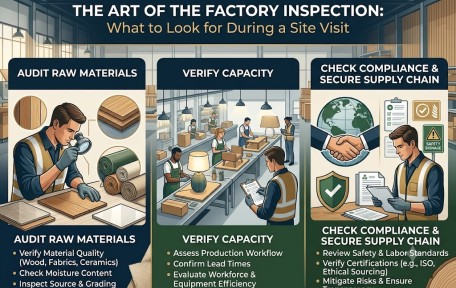
To build a truly bulletproof green brand, you must start from the roots. This means embedding sustainability directly into the manufacturing process, tracing every raw material back to its geographical origin, and partnering with verified, socially compliant factories. For global buyers seeking to mitigate risk and secure a competitive edge, the solution lies in aligning with manufacturers who treat compliance, traceability, and natural resource stewardship not as optional checkboxes, but as the core of their business model.
THE MATERIALITY MATRIX: TRANSFORMING RENEWABLE RESOURCES INTO CERTIFIED HOME DECOR ASSETS
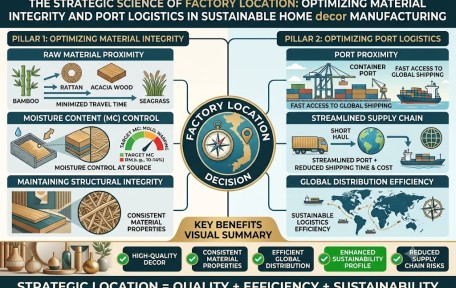
Authentic green branding begins with material integrity. When sourcing home decor, tableware, and furniture, the choice of raw materials dictates both the environmental footprint and the narrative of the product. By utilizing rapidly renewable, carbon-sequestering natural fibers, brands can design product lines that naturally tell a story of ecological harmony. Here is how premium natural materials serve as the foundation of sustainable branding:
- Acacia Wood: A highly durable hardwood that grows rapidly and acts as an excellent carbon sink. When sourced from FSC-certified forests, Acacia guarantees that your wooden furniture and kitchenware do not contribute to global deforestation, satisfying strict EUDR compliance.
- Bamboo: One of the fastest-growing plants on Earth, bamboo requires no pesticides and minimal water to thrive. Its high tensile strength and versatility make it a perfect alternative to plastics and carbon-heavy metals.
- Seagrass and Water Hyacinth: These aquatic plants are harvested directly from local waterways, helping to clear clogged channels and support aquatic ecosystems. When dried and woven by skilled artisans, they transform into beautiful, biodegradable baskets, rugs, and storage solutions.
- Rattan: A climbing palm that relies on preserving existing rainforest canopies to grow. Sourcing rattan actively incentivizes local communities to protect standing forests rather than clearing them for agriculture.
The Role of International Certifications in Supply Chain Security
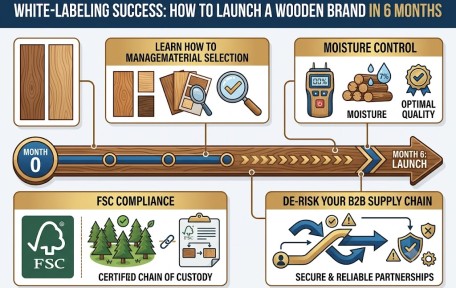
Using natural materials is only half the battle. To validate your brand's green claims to stakeholders, investors, and regulators, your manufacturing partner must hold internationally recognized certifications. These credentials serve as your legal shield and marketing proof:
- FSC (Forest Stewardship Council): Guarantees that wood and non-timber forest products are harvested responsibly, respecting biodiversity and local communities.
- BSCI (Business Social Compliance Initiative) & SMETA (Sedex Members Ethical Trade Audit): Ensure that the artisans and factory workers who craft your products operate in safe, fair, and ethical working conditions, mitigating social compliance risks.
THE COMMERCIAL EDGE: TRANSLATING COMPLIANCE AND CRAFTSMANSHIP INTO HIGH-MARGIN BRAND EQUITY
While compliance is necessary to avoid regulatory penalties, sustainable manufacturing offers a massive commercial upside. For interior designers and high-end retailers, partnering with a certified manufacturer like Ngoc Dong Ha Nam unlocks premium brand equity and drives customer loyalty. Discerning modern consumers are willing to pay a premium for products that seamlessly blend exquisite craftsmanship with ethical production.
When you source from a manufacturer that integrates traditional hand-weaving heritage with modern industrial precision, you gain access to unique, story-driven product lines. Each hand-woven water hyacinth basket or meticulously finished acacia serving tray carries a human touch and a cultural legacy. This rich narrative is a powerful tool for your marketing team, allowing you to move away from price-driven competition and position your brand in the high-margin, value-driven segment of the market.
Risk Mitigation and Supply Chain Resilience
Moreover, sourcing from a certified sustainable partner protects your brand from volatile market disruptions. Manufacturers with transparent, localized supply chains—who source raw materials directly from verified local farmers—are far more resilient to global logistics shocks. By establishing a direct, ethical connection from the Vietnamese fields to your global showrooms, you ensure a steady, reliable flow of inventory that complies with the highest international import standards, protecting your bottom line and your brand's reputation.
CO-CREATE YOUR NEXT ECO-FRIENDLY BESTSELLER: PARTNER WITH NGOC DONG HA NAM TODAY
Building a green brand is a collaborative journey that requires a trusted manufacturing ally. At Ngoc Dong Ha Nam, we combine over three decades of Vietnamese handicraft heritage with world-class compliance standards. As an FSC, BSCI, and SMETA certified manufacturer, we specialize in transforming sustainable materials like rattan, bamboo, seagrass, water hyacinth, and acacia into premium home decor and furniture for global markets.
Whether you are an interior designer looking to curate an exclusive eco-luxury collection, or a global retail buyer seeking to future-proof your supply chain ahead of the 2026 EUDR deadlines, we offer the custom OEM/ODM capabilities, scalable production, and rigorous quality control you need to succeed. Let us help you build your brand from the roots up.
Contact our B2B consulting team today to request our latest sustainable product catalog, discuss custom design specifications, or order a physical sample for your next collection. Together, we can shape a greener, more beautiful future for global design.
FREQUENTLY ASKED QUESTIONS
How does the EU Deforestation Regulation (EUDR) affect home decor buyers in 2026?
The EUDR, taking effect on December 30, 2026, makes it illegal to place products linked to deforestation on the EU market. B2B buyers must ensure their wood and natural fiber products are sourced from verified, non-deforested land and backed by complete traceability documentation.
What are the benefits of sourcing home decor made from water hyacinth and seagrass?
Water hyacinth and seagrass are rapidly renewable, biodegradable aquatic plants. Harvesting them helps clear local waterways, supports rural artisan communities, and provides brands with lightweight, durable, and highly aesthetic natural materials.
Why are BSCI and SMETA audits important for sustainable brands?
BSCI and SMETA audits verify that a manufacturing facility adheres to strict social compliance standards, ensuring fair wages, safe working conditions, and ethical labor practices. This protects sourcing brands from reputational damage and supply chain disruptions.
Can Ngoc Dong Ha Nam handle custom OEM/ODM designs for global retail chains?
Yes, Ngoc Dong Ha Nam specializes in custom OEM/ODM manufacturing, combining traditional Vietnamese weaving techniques with modern design specifications to produce scalable, certified, and high-quality home decor collections.