B2B Compliance & Trust

The Future of Sustainable Sourcing: Simply Acacia’s 2030 Carbon Neutral Roadmap
Key Takeaways
•Simply Acacia's 2030 Carbon Neutral Roadmap outlines a comprehensive strategy to eliminate Scope 1, 2, and 3 emissions across the entire supply chain.
•Acacia wood serves as a highly sustainable, fast-growing carbon sink, providing an eco-friendly and durable foundation for premium home decor.
•Ngoc Dong Ha Nam guarantees ethical sourcing and production through strict, transparent adherence to FSC, BSCI, and SMETA international standards.
•Partnering with a carbon-neutral supplier empowers global B2B buyers and interior designers to meet aggressive ESG targets and satisfy eco-conscious consumer demand.
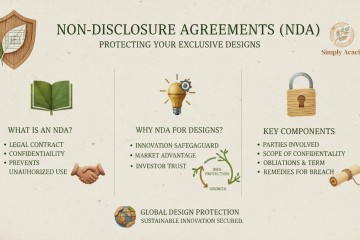
Protect Your Masterpiece: Why a Non-Disclosure Agreement is Crucial for Global Home Decor Buyers
Key Takeaways
•A Non-Disclosure Agreement (NDA) is a legally binding contract that protects a brand's intellectual property and exclusive designs from unauthorized sharing or manufacturing.
•Implementing an NDA ensures that unique product specifications, especially those utilizing sustainable materials like rattan and bamboo, remain strictly confidential.
•Partnering with manufacturers that hold international certifications like BSCI, SMETA, and FSC significantly reduces the risk of intellectual property theft.
•A well-structured NDA fosters transparent collaboration between global buyers and suppliers, accelerating innovation in the home decor market.
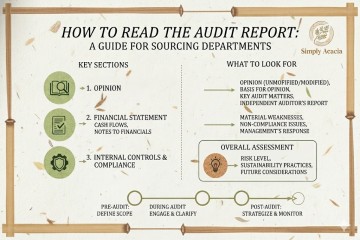
How to Read a Factory Audit Report: A Step-by-Step Guide for Sourcing Departments
Key Takeaways
•An audit report evaluates a supplier's adherence to social, environmental, and ethical standards such as BSCI, SMETA, and FSC.
•Always verify the audit scope, date, and auditor credentials before analyzing the findings to ensure relevance and validity.
•Zero-tolerance issues, including child labor and severe safety violations, require immediate action or termination of the supplier relationship.
•The Corrective Action Plan (CAP) is the most critical section for assessing a supplier's commitment to continuous improvement.
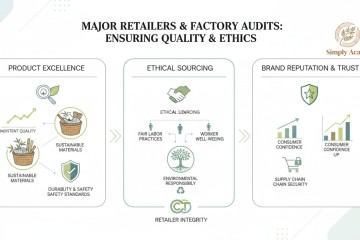
The Anatomy of Trust: Why Retail Giants Like Target and Costco Mandate Factory Audits
Key Takeaways
•Major retailers require factory audits to mitigate severe supply chain risks, ensure ethical labor practices, and protect global brand reputation.
•Social compliance frameworks like BSCI and SMETA rigorously verify safe working conditions, fair wages, and the absence of forced labor in manufacturing facilities.
•FSC certification guarantees that natural home decor materials, such as acacia wood and bamboo, are harvested from responsibly managed, sustainable forests.
•Partnering with fully audited factories allows global buyers to confidently market their products as ethically made, commanding a premium in the eco-conscious home decor market.
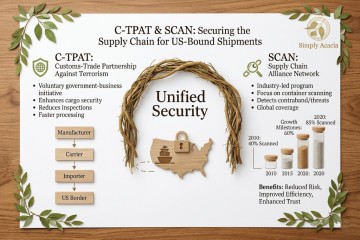
Beyond Beautiful Design: Securing Your US-Bound Decor Shipments with C-TPAT & SCAN
Key Takeaways
•C-TPAT certification significantly reduces US Customs and Border Protection (CBP) inspection rates for imported shipments.
•The SCAN framework eliminates audit fatigue by providing a shared, standardized supply chain security audit platform for global buyers.
•Partnering with C-TPAT and SCAN compliant manufacturers ensures predictable lead times and protects brand reputation from border delays.
•Integrating supply chain security with sustainability standards like FSC and BSCI creates a highly resilient B2B sourcing strategy.
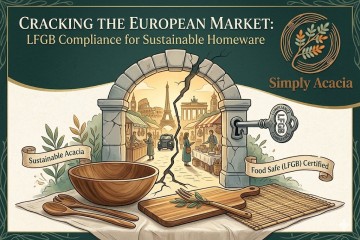
Cracking the European Market: The Ultimate Guide to LFGB Compliance for Sustainable Food-Contact Homeware
Key Takeaways
•LFGB is Germany's stringent food and feed code, representing the highest safety standard for food-contact materials in the European market.
•Products must pass rigorous sensory and chemical migration tests to ensure no harmful substances transfer to food or alter its taste and odor.
•Natural materials like bamboo and acacia require specialized, non-toxic finishing processes to meet LFGB standards without compromising their eco-friendly integrity.
•Partnering with a certified manufacturer holding FSC, BSCI, and SMETA credentials ensures seamless LFGB compliance and protects your brand reputation.
•Achieving LFGB compliance unlocks the premium European homeware sector, offering a distinct competitive advantage for B2B buyers and interior designers.
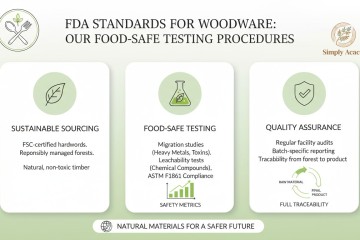
How Ngoc Dong Ha Nam Achieves 100% FDA Compliance for Natural Woodware: A Blueprint for Global Buyers
Key Takeaways
•FDA Title 21 CFR compliance is mandatory for importing wooden kitchenware and tableware into the US, requiring strict limits on chemical migration.
•Ngoc Dong Ha Nam ensures 100% food-safe compliance by utilizing FSC-certified Acacia and Bamboo, paired with FDA-approved, non-toxic finishes.
•Third-party lab testing via SGS and Intertek guarantees zero leaching of heavy metals, PCP, and harmful VOCs in all our woodware products.
•Partnering with a BSCI and SMETA certified manufacturer mitigates supply chain risks, ensuring seamless customs clearance and elevated brand trust.
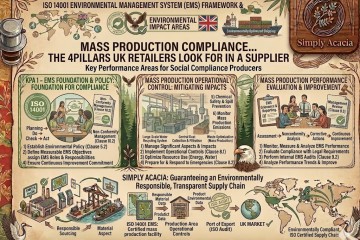
Case Study: How Ngoc Dong Ha Nam Slashed Environmental Impact in Mass Production Through ISO 14001
Key Takeaways
•ISO 14001 provides a rigorous Environmental Management System (EMS) that transforms traditional mass production into a sustainable, closed-loop process.
•Integrating ISO 14001 with FSC, BSCI, and SMETA standards ensures that high-volume manufacturing of natural home decor meets global ESG requirements.
•Advanced resource efficiency, such as closed-loop water systems and biomass energy drying kilns, significantly reduces the carbon footprint of processing natural materials like rattan, bamboo, and water hyacinth.
•Partnering with an ISO 14001-certified manufacturer mitigates supply chain risks and elevates brand value for global B2B buyers and interior designers.
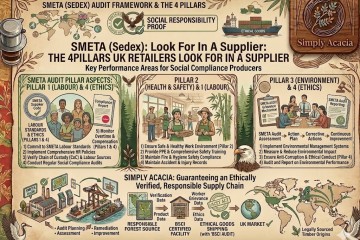
State of Ethical Sourcing: How the 4 Pillars of SMETA (Sedex) are Shaping UK Retail
Key Takeaways
•SMETA (Sedex) audits are globally recognized ethical trade assessments focusing on four critical pillars: Labor Standards, Health and Safety, Environment, and Business Ethics.
•UK retailers increasingly mandate 4-Pillar SMETA compliance to mitigate supply chain risks, align with the Modern Slavery Act, and meet stringent consumer transparency demands.
•Partnering with SMETA-certified suppliers ensures that natural home decor products made from bamboo, rattan, and seagrass are both ecologically sustainable and ethically produced.
•The integration of SMETA with other global certifications like FSC and BSCI represents the future of verifiable, green supply chains in the B2B sector.
•Strategic buyers can leverage SMETA audit reports to build resilient, long-term partnerships with trusted manufacturers like Ngoc Dong Ha Nam.
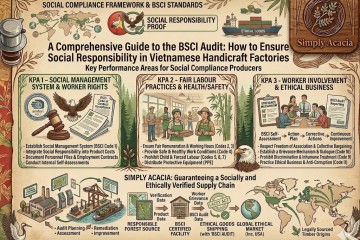
A Comprehensive Guide to the BSCI Audit: How to Ensure Social Responsibility in Vietnamese Handicraft Factories
Key Takeaways
•The amfori BSCI audit evaluates a factory's adherence to 11 core labor rights and social responsibility principles.
•Partnering with BSCI-audited Vietnamese factories ensures ethical sourcing and protects your brand reputation globally.
•The audit process involves comprehensive site inspections, confidential worker interviews, and rigorous documentation reviews.
•Continuous improvement is a core component of BSCI, requiring factories to implement Corrective Action Plans (CAP) for ongoing compliance.
•Sourcing sustainable materials like bamboo and rattan from certified factories guarantees both environmental and social compliance.
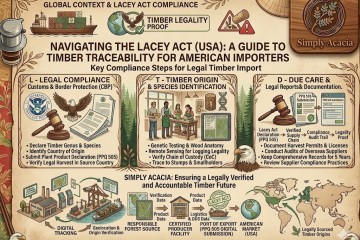
How a Leading US Home Decor Brand Achieved 100% Lacey Act Compliance Through Transparent Timber Sourcing
Key Takeaways
•The US Lacey Act mandates that importers declare the scientific name, value, quantity, and country of harvest for all plant and timber products via PPQ Form 505.
•Violations of the Lacey Act can result in severe consequences, including cargo confiscation, hefty financial penalties, and irreversible reputational damage for B2B brands.
•Partnering with an FSC-certified supplier guarantees a documented chain of custody, ensuring that materials like Acacia and Bamboo are legally harvested and fully traceable.
•Implementing rigorous compliance frameworks, supported by BSCI and SMETA audits, not only satisfies legal requirements but also elevates a brand's market positioning among eco-conscious consumers.
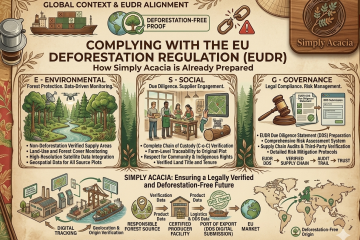
How Ngoc Dong Ha Nam Achieved 100% EUDR Readiness for the Simply Acacia Collection
Key Takeaways
•The EU Deforestation Regulation (EUDR) mandates strict geolocation traceability for wood products entering the European market to combat global deforestation.
•Ngoc Dong Ha Nam's Simply Acacia collection is fully EUDR-compliant, utilizing rigorous supply chain mapping and exclusive FSC-certified sourcing.
•Proactive EUDR compliance eliminates the risk of shipment delays, severe legal penalties, and reputational damage for global B2B buyers and interior designers.
•Acacia wood offers a highly sustainable, fast-growing alternative for premium home decor without compromising on aesthetic appeal or durability.
•Integrating environmental traceability with ethical labor standards like BSCI and SMETA ensures a truly holistic approach to sustainable supply chain management.
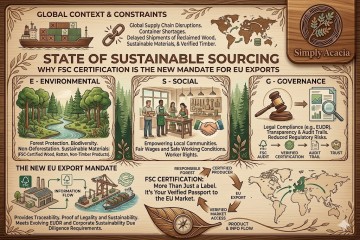
State of Sustainable Sourcing: Why FSC Certification is the New Mandate for EU Exports
Key Takeaways
•FSC (Forest Stewardship Council) certification provides an internationally recognized guarantee that wood and non-timber forest products are harvested sustainably.
•The European Union Deforestation Regulation (EUDR) has shifted FSC certification from a voluntary green credential to a mandatory legal requirement for all imports.
•B2B buyers and interior designers face severe supply chain disruptions, customs rejections, and brand damage if they source uncertified natural materials.
•Partnering with manufacturers that hold integrated certifications like FSC, BSCI, and SMETA ensures both environmental traceability and ethical labor practices.
•Ngoc Dong Ha Nam offers a fully compliant, risk-free supply chain for premium home decor crafted from FSC-certified Acacia, Bamboo, and Rattan.