
Interior Design & Global Trends

Elevate the Espresso Experience: Why Global Retailers and Hospitality Designers are Sourcing Kiln-Dried Acacia Trays for the Ultimate Coffee Station Setup
Key Takeaways
• Acacia wood is the ideal material for high-moisture coffee stations due to its natural water resistance, dense grain, and high durability against daily wear and tear.
• Ngoc Dong Ha Nam's rigorous 4-stage kiln-drying process stabilizes acacia wood to a 12-14% moisture content, preventing warping or cracking in diverse global climates.
• B2B buyers benefit from fully compliant supply chains, as all Simply Acacia products are FSC-certified, EUDR-compliant, and manufactured in BSCI-audited facilities.
• Customization via OEM/ODM services allows hospitality designers and retail brands to order bespoke sizes, shapes, and branding to perfectly match their aesthetic DNA.
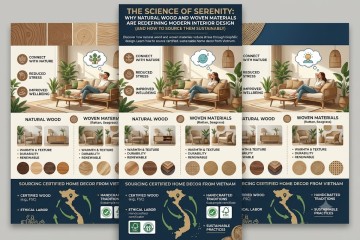
The Science of Serenity: Why Natural Wood and Woven Materials are Redefining Modern Interior Design (and How to Source Them Sustainably)
Key Takeaways
• Biophilic design using natural materials like Acacia, bamboo, and rattan is scientifically proven to lower cortisol levels and reduce heart rates by mimicking natural fractal patterns.
• Tactile interaction with authentic natural textures activates the parasympathetic nervous system, offering immediate cognitive and emotional relief compared to synthetic alternatives.
• Global B2B buyers can capture the rapidly growing wellness decor market by sourcing certified sustainable products that guarantee both environmental and social compliance (FSC, BSCI, SMETA).
• Ngoc Dong Ha Nam resolves common natural material supply chain risks, such as warping and mold, through advanced kiln-drying technology and strict quality control.

The Rise of Conscious Celebrations: How Acacia Wood is Shaping the Future of Sustainable Holiday Tableware
Key Takeaways
• Acacia wood offers a highly renewable and carbon-efficient alternative to traditional holiday tableware, meeting the growing global B2B demand for circular and eco-friendly products.
• The natural density and high oil content of Acacia wood provide superior water resistance and durability, making it ideal for high-use commercial hospitality and premium retail markets.
• Global buyers can mitigate regulatory and supply chain risks by sourcing FSC-certified and BSCI-compliant Acacia tableware from established manufacturers like Ngoc Dong Ha Nam.
• Modern holiday decor trends favor versatile, multi-functional designs that transition seamlessly from Christmas tablescapes to year-round dining, reducing seasonal retail markdown risks.

The 2026 Global Design Report: Raw-Edge Acacia and the Evolution of Modern Farmhouse Aesthetics
Key Takeaways
• Raw-edge Acacia boards have become the premier material choice for Modern Farmhouse aesthetics due to their unique grain patterns, exceptional durability, and natural, live-edge borders.
• Acacia is a highly sustainable hardwood with a rapid growth cycle of 7 to 10 years, making it a carbon-efficient alternative to slow-growing temperate hardwoods like oak and walnut.
• B2B buyers prioritizing the European and North American markets must source FSC-certified and BSCI-compliant Acacia to meet strict EUDR and ESG supply chain regulations.
• Advanced kiln-drying technology that stabilizes moisture content between 8% and 12% is critical to preventing warping and cracking in live-edge Acacia furniture.
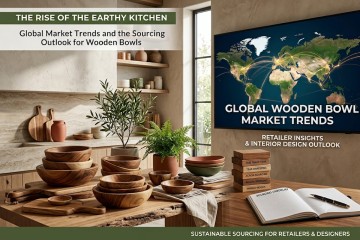
The Rise of the Earthy Kitchen: Global Market Trends and the Sourcing Outlook for Wooden Bowls
Key Takeaways
•The global shift toward biophilic kitchen design is driving rapid growth in the wooden tableware market, which is projected to reach $8.6 billion by 2034.
•Acacia and Bamboo are the leading material choices for premium wooden bowls due to their natural water resistance, durability, and highly renewable lifecycles.
•B2B buyers can mitigate regulatory and ethical risks by partnering with manufacturers certified under FSC, BSCI, and SMETA standards.
•Integrating mixed materials, such as combining wood with woven rattan or seagrass accents, enhances product premiumization and increases average retail order value.
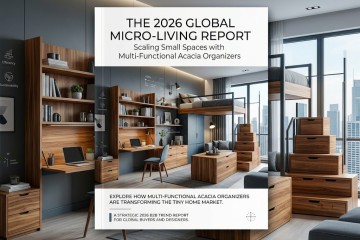
The 2026 Global Micro-Living Report: Scaling Small Spaces with Multi-Functional Acacia Organizers
Key Takeaways
Urbanization and the rise of tiny homes are driving a 15% annual growth in the multi-functional furniture and smart organization market.
Acacia wood is the preferred material for small-space organizers due to its superior density, natural water resistance, and rapid renewability.
Global B2B buyers are increasingly prioritizing FSC, BSCI, and SMETA-certified manufacturers to comply with strict international environmental regulations.
Modular and vertical-oriented Acacia designs allow consumers to maximize limited square footage while introducing high-end biophilic aesthetics.
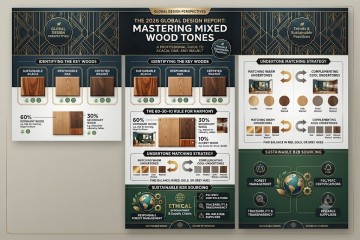
The 2026 Global Design Report: Mastering Mixed Wood Tones with Sustainable Acacia, Oak, and Walnut
Key Takeaways
Successful wood tone mixing relies on establishing a clear dominant species representing 60% of visible wood and introducing secondary and accent species at 30% and 10% respectively to create depth and visual hierarchy.
Matching wood temperature (warm, cool, or neutral undertones) rather than exact colors ensures a cohesive aesthetic, preventing visual clash between species like dynamic Acacia, rich Walnut, and classic Oak.
Integrating natural fiber bridges, such as handwoven rattan, seagrass, or water hyacinth accessories, provides a visual buffer that softens transitions between contrasting wood tones.
For B2B buyers, sourcing mixed-wood collections requires working with certified manufacturers (FSC, BSCI, SMETA) to guarantee legal, sustainable forestry and ethical labor compliance under strict global regulations like EUDR.
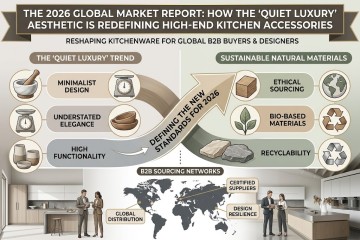
The 2026 Global Market Report: How the QUIET LUXURY Aesthetic is Redefining High-End Kitchen Accessories
Key Takeaways
• The 'Quiet Luxury' trend in 2026 kitchen design shifts focus from industrial, high-shine stainless steel to warm, tactile, and natural materials like Acacia wood and Bamboo.
• High-end consumers are driving a demand for 'quietly dramatic' kitchens, where hidden appliances are balanced by premium, artisan-crafted countertop accessories.
• Global B2B buyers must prioritize international certifications such as FSC, BSCI, and SMETA to comply with tightening environmental regulations like the EUDR.
• Sourcing directly from certified manufacturers in Vietnam, such as Ngoc Dong Ha Nam, protects B2B profit margins while ensuring scalable, high-quality production.
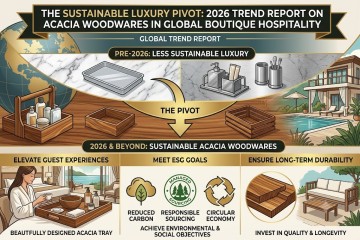
The Sustainable Luxury Pivot: 2026 Trend Report on Acacia Woodwares in Global Boutique Hospitality
Key Takeaways
• Acacia woodwares offer superior durability for luxury hotels, featuring a Janka hardness rating of 1,750 lbf, which outperforms traditional hardwoods like Teak and Oak in high-traffic environments.
• Boutique resorts are replacing synthetic materials with natural Acacia wood to meet global ESG mandates, reduce plastic waste, and align with the growing consumer demand for biophilic interior design.
• To prevent warping and cracking in diverse climates, hospitality-grade Acacia wood must undergo precise kiln-drying to achieve a moisture content of 8% to 12% before manufacturing.
• Ethical sourcing compliance, verified by international certifications like FSC, BSCI, and SMETA, is now a mandatory requirement for global hotel procurement departments sourcing wooden homewares.
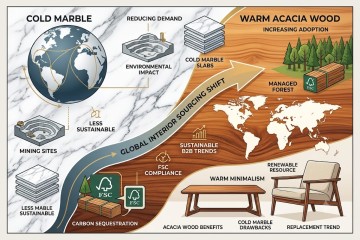
The Rise of Warm Minimalism: Why Acacia Wood is Replacing Cold Marble in Global Interior Sourcing
Key Takeaways
• Warm minimalism is driving a significant global design shift away from cold, high-maintenance marble toward tactile, sustainable organic materials like Acacia wood.
• Acacia wood offers superior durability with a Janka hardness rating of 1,700 to 2,200 lbf, making it highly scratch-resistant and ideal for heavy-use B2B applications.
• Sourcing FSC-certified Acacia wood from compliant Vietnamese manufacturers ensures compliance with strict international regulations like the EUDR starting December 30, 2026.
• Integrating Acacia wood with natural fibers like rattan and seagrass allows brands to capture the growing premium eco-luxury market segment while optimizing shipping costs.
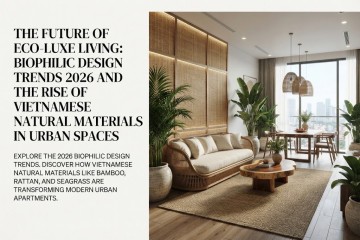
The Future of Eco-Luxe Living: Biophilic Design Trends 2026 and the Rise of Vietnamese Natural Materials in Urban Spaces
Key Takeaways
• Biophilic design in 2026 transitions from simple aesthetics to structural integration of certified natural fibers like bamboo, rattan, and seagrass.
• Vietnam emerges as a global hub for sustainable home decor, offering legally compliant (FSC, BSCI, SMETA) supply chains that meet strict EUDR regulations.
• Integrating natural materials in urban apartments is scientifically proven to reduce stress, improve indoor air quality, and increase occupant productivity by up to 15%.
• Successful B2B sourcing in 2026 requires prioritizing vertically integrated manufacturers that offer both artisan craftsmanship and modern OEM/ODM capabilities.
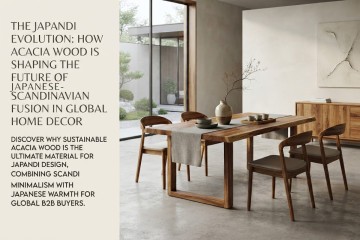
The Japandi Evolution: How Acacia Wood is Shaping the Future of Japanese-Scandinavian Fusion in Global Home Decor
Key Takeaways
•Japandi style blends Scandinavian functionality with Japanese minimalism, driving massive global demand for warm, sustainable, and organic home decor materials.
•Acacia wood offers a rapid 5-to-7-year harvest cycle, making it a highly sustainable, carbon-efficient alternative to slow-growing hardwoods like Oak and Teak.
•With a Janka hardness rating exceeding 1,100 lbf and rich natural oils, Acacia wood provides exceptional durability, scratch resistance, and moisture protection for indoor and outdoor furniture.
•Combining solid Acacia wood with woven natural fibers like bamboo, rattan, and seagrass optimizes shipping weight, reduces production costs, and enhances tactile Japandi aesthetics.
•Partnering with certified Vietnamese manufacturers holding FSC, BSCI, and SMETA compliance ensures seamless regulatory clearance under strict international forestry laws like the EUDR.