The Future of Eco-Luxe Living: Biophilic Design Trends 2026 and the Rise of Vietnamese Natural Materials in Urban Spaces
Key Takeaways
• Biophilic design in 2026 transitions from simple aesthetics to structural integration of certified natural fibers like bamboo, rattan, and seagrass.• Vietnam emerges as a global hub for sustainable home decor, offering legally compliant (FSC, BSCI, SMETA) supply chains that meet strict EUDR regulations.
• Integrating natural materials in urban apartments is scientifically proven to reduce stress, improve indoor air quality, and increase occupant productivity by up to 15%.
• Successful B2B sourcing in 2026 requires prioritizing vertically integrated manufacturers that offer both artisan craftsmanship and modern OEM/ODM capabilities.
EXECUTIVE SUMMARY: THE BIOPHILIC IMPERATIVE IN 2026 URBAN SPACES
The year 2026 marks a watershed moment in global interior design. As urban density reaches unprecedented heights and high-rise living becomes the default state for millions worldwide, the modern apartment is no longer just a place of residence; it has become a sanctuary. In this landscape, biophilic design—the deliberate integration of natural elements into human-built environments—has transitioned from a premium design trend to a fundamental health and commercial necessity.
This report analyzes the structural shift toward bringing the raw, authentic essence of the Vietnamese forest into urban apartments. For global B2B buyers, interior designers, and major home decor retailers, understanding this movement is key to capturing the rapidly growing eco-conscious consumer segment. By leveraging Vietnam's rich heritage of fast-growing, highly renewable materials such as bamboo, rattan, seagrass, and water hyacinth, forward-thinking brands can deliver products that satisfy both aesthetic desires and strict global sustainability mandates. As a pioneer in sustainable manufacturing, Ngoc Dong Ha Nam is at the forefront of this transition, bridging the gap between centuries-old artisan craftsmanship and the rigorous compliance standards (FSC, BSCI, SMETA) required by today's international markets.
THE EVOLUTION OF URBAN LIVING: WHY BIOPHILIC DESIGN IS NO LONGER OPTIONAL
To understand the biophilic movement of 2026, we must examine the shifting psychological and environmental expectations of the modern urban dweller. The rise of hybrid work-from-home models and high-density micro-apartments has created a sensory deficit. Modern interiors, dominated by synthetic laminates, concrete, and glass, often alienate occupants from the natural world, leading to increased stress and fatigue.
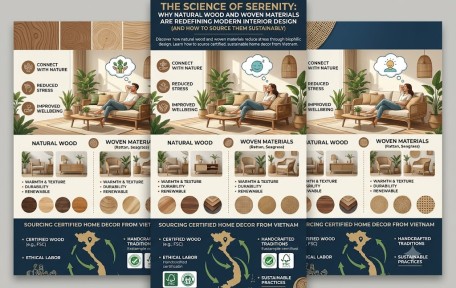
Environmental psychology has proven that human beings possess an innate, evolutionary affinity for nature (the biophilia hypothesis). Integrating organic textures, natural fibers, and earthy scents into living spaces has been scientifically shown to reduce cortisol levels, lower blood pressure, and boost cognitive performance by up to 15%. In 2026, consumers are actively seeking 'warm minimalism' and 'organic modernism'—design styles that replace cold, sterile surfaces with tactile, living materials.
From a commercial perspective, the demand for sustainable home decor is soaring. Retail giants and hospitality chains are under intense pressure to reduce their Scope 3 emissions and eliminate plastic-based products from their portfolios. Sourcing natural, low-embodied-carbon furniture and accessories from renewable agricultural resources is the most direct path to achieving these corporate sustainability goals. Vietnam, with its abundant natural resources and robust manufacturing infrastructure, has positioned itself as the premier sourcing destination for this global shift.
KEY TRENDS 2026: BRINGING THE VIETNAMESE FOREST INDOORS THROUGH SUSTAINABLE MATERIALS
1. The Raw Forest Aesthetic: Acacia and Bamboo Structural Elements
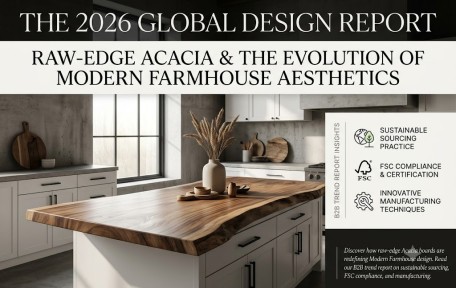
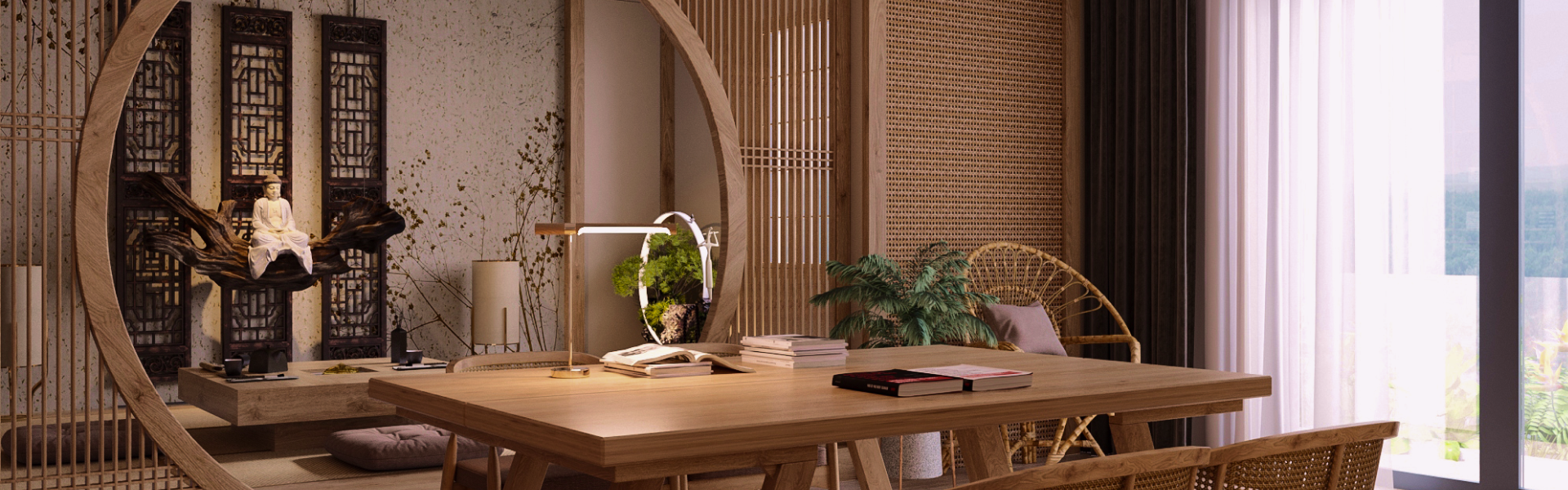
In 2026, designers are moving away from heavily treated, uniform wood surfaces in favor of materials that showcase raw, organic imperfections. FSC-certified Vietnamese Acacia wood, known for its rich, contrasting grain patterns and exceptional durability, is being widely utilized for statement furniture pieces that anchor urban living rooms. When paired with fast-growing Bamboo—often referred to as 'green steel' due to its incredible tensile strength—these materials bring the structural integrity and grounding energy of the tropical forest floor directly into high-rise apartments.
2. Tactile Relief: Woven Textures of Seagrass and Water Hyacinth
Urban apartments often suffer from poor acoustics and a lack of tactile variety. To counteract this, interior designers are turning to hand-woven seagrass and water hyacinth products. Woven baskets, wall hangings, and floor mats serve a dual purpose: they act as natural acoustic dampeners while introducing rich, multi-dimensional textures that soften harsh architectural lines. Harvested from Vietnam's coastal wetlands and waterways, these materials are incredibly renewable, regenerating in a matter of months, making them the ultimate circular decor solution.
3. The Rattan Renaissance: Fluid, Organic Curves
The rigid, box-like geometry of modern apartments can feel restrictive. Rattan, with its unique flexibility and strength, allows designers to introduce fluid, organic curves that mimic the natural pathways of a forest canopy. From statement lounge chairs to intricate pendant lighting fixtures, rattan diffuses light softly, creating a warm, dappled shadow effect that replicates sunlight filtering through trees. This material brings an airy, lightweight elegance that is perfect for space-constrained urban layouts.
FUTURE OUTLOOK: THE INTERSECTION OF CIRCULARITY, ARTISANSHIP, AND URBAN WELLNESS
Looking ahead toward 2030, the biophilic design landscape will be defined by two primary drivers: absolute circularity and strict regulatory compliance. The implementation of the European Union Deforestation Regulation (EUDR) and similar global mandates means that greenwashing is no longer viable. Every product entering the global market must have a transparent, verifiable supply chain. Vietnam is leading Southeast Asia in adapting to these regulations by digitizing forestry tracking and ensuring that materials like bamboo and acacia are sourced from strictly non-deforested lands.
Furthermore, social sustainability (the 'S' in ESG) is becoming just as critical as environmental impact. Global buyers are actively seeking manufacturing partners who prioritize fair labor practices and preserve cultural heritage. By sourcing from traditional craft villages in Vietnam, brands are not only acquiring high-quality, unique products but are also supporting rural economies and keeping ancient artisan techniques alive. This human story behind the craft adds immense narrative value to retail brands, resonating deeply with the modern, conscious consumer who demands to know who made their products and under what conditions.
STRATEGIC RECOMMENDATIONS FOR GLOBAL B2B BUYERS AND INTERIOR DESIGNERS
To successfully capitalize on the biophilic design boom and navigate the complexities of the 2026 market, global B2B buyers and designers should adopt the following strategic approaches:
- Prioritize International Certifications: Only partner with manufacturers who hold recognized certifications such as FSC (Forest Stewardship Council) for wood and bamboo, and BSCI (Business Social Compliance Initiative) or SMETA (Sedex Members Ethical Trade Audit) for ethical manufacturing. This mitigates compliance risks and protects your brand reputation.
- Leverage OEM/ODM Capabilities: Look for manufacturers like Ngoc Dong Ha Nam that offer robust design and customization services. This allows you to adapt traditional Vietnamese weaving techniques and materials into modern, space-saving designs tailored specifically for high-density urban apartments.
- Ensure Advanced Moisture and Quality Control: Natural fibers are sensitive to humidity and climate changes. Partner with manufacturers who utilize advanced drying kilns, non-toxic anti-mold treatments, and standardized quality control processes to ensure products maintain their integrity during transoceanic shipping and in varied destination climates.
- Embrace a Narrative-Driven Marketing Strategy: Educate your end-consumers on the journey of the product—from the sustainable harvesting of water hyacinth in Vietnamese rivers to the skilled hands of the artisans in Ha Nam. Highlighting this journey elevates your product from a simple home accessory to a meaningful piece of art.
FREQUENTLY ASKED QUESTIONS
What certifications should global buyers look for when sourcing biophilic home decor from Vietnam?
Global buyers should prioritize manufacturers holding FSC (Forest Stewardship Council) certification for wood and bamboo to ensure responsible forestry. For ethical labor and social compliance, look for BSCI (Business Social Compliance Initiative) or SMETA (Sedex Members Ethical Trade Audit) certifications.
How do Vietnamese natural materials like water hyacinth and seagrass perform in dry or highly air-conditioned urban apartments?
When properly processed, dried, and treated by experienced manufacturers like Ngoc Dong Ha Nam, natural fibers hold up exceptionally well in diverse indoor climates. Advanced moisture control during manufacturing ensures the fibers retain their flexibility without warping or cracking in dry, air-conditioned environments.
How does Ngoc Dong Ha Nam ensure compliance with strict international environmental regulations like the EUDR?
Ngoc Dong Ha Nam maintains a fully transparent, traceable supply chain. We source our raw materials from certified sustainable local farms and managed forests, ensuring complete documentation that proves zero deforestation and full compliance with the European Union Deforestation Regulation.
Can traditional hand-woven items be customized for modern, space-constrained apartment layouts?
Yes, absolutely. Through our advanced OEM/ODM capabilities, we collaborate with global designers to adapt traditional weaving techniques into multi-functional, stackable, and space-saving designs that are specifically optimized for modern urban living.