
Thermally Modified Acacia vs. Chemical Treatment: The Definitive Sourcing Guide for Eco-Luxury Bathroom Accessories
Strategic Summary
• Thermal modification uses heat and steam to alter acacia's cellular structure, permanently reducing moisture absorption by up to 60% without synthetic chemicals.• Chemical treatments rely on surface biocides and varnishes that can leach toxic compounds in high-humidity bathroom environments.
• Thermally modified acacia achieves uniform dark caramel tones throughout the wood core, replicating exotic hardwoods like teak.
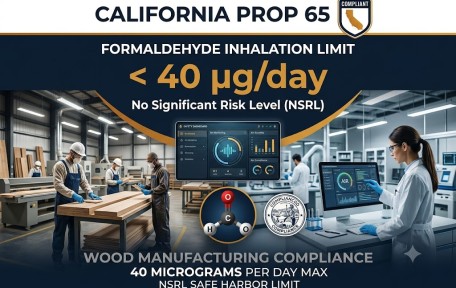
• Selecting thermally modified acacia eliminates VOC off-gassing and helps global buyers comply with EU EUTR, REACH, and California Prop 65 regulations.
• Ngoc Dong Ha Nam provides FSC-certified and BSCI-compliant OEM/ODM manufacturing for sustainable acacia bathroom collections.
WHY WATER-RESISTANT ACACIA WOOD IS REVOLUTIONIZING ECO-LUXURY BATHROOM DESIGN
Acacia wood requires advanced preservation techniques to prevent warping, mold, and decay when exposed to constant moisture in bathroom environments. Global interior designers and retail buyers increasingly turn to acacia for its rich grain, warm aesthetic, and natural hardwood density. However, raw acacia absorbs ambient humidity rapidly, leading to swelling, cracking, and fungal growth within months if untreated.
Can wood truly survive the harsh environment of high-humidity bathrooms? Yes. The key lies in selecting the right preservation methodology that balances long-term structural integrity with strict environmental standards.
For global procurement managers, choosing between thermal modification and chemical treatment defines both product performance and brand reputation. As global consumers demand chemical-free, non-toxic home accessories, understanding this material transformation is paramount for your supply chain strategy.
THERMAL MODIFICATION VS. CHEMICAL TREATMENT: A DEEP TECHNICAL COMPARISON
Thermal modification enhances acacia durability by using heat and steam to alter the wood's cellular structure without toxic chemicals, whereas chemical treatment relies on synthetic preservatives that risk leaching and off-gassing. During thermal modification (temperatures between 180°C and 220°C), hydroxyl groups in wood hemicellulose degrade. This permanently reduces moisture absorption capacity by up to 60% and eliminates food sources for mold and rot fungi.
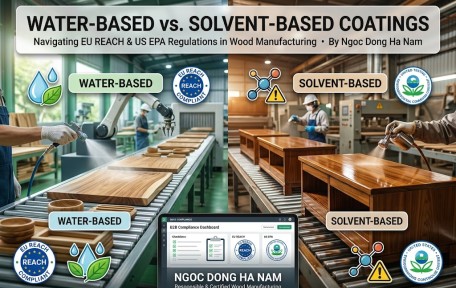
In contrast, chemical treatments utilize biocides, copper compounds, or synthetic sealants. While effective against micro-organisms, these chemicals remain water-soluble over time and can leach into humid bathroom microclimates.
Here is a technical comparison for procurement decision-making:
|
Evaluation Metric |
Thermal Modification (Thermo-Acacia) |
Conventional Chemical Treatment |
|
Chemical Usage |
100% Chemical-free (Heat & Steam only) |
Synthetic biocides, fungicides, sealants |
|
Dimensional Stability |
Superior (Swell/shrink reduced by 40-60%) |
Moderate (Relies heavily on surface sealers) |
|
Moisture Absorption |
Extremely Low (Hydrophobic cellular structure) |
Moderate to High once coating wears off |
|
Leaching & Off-Gassing |
Zero VOCs or chemical leaching |
Risk of chemical leaching in steamy rooms |
|
Color Integrity |
Rich, dark brown timber tone throughout |
Surface staining; internal wood stays pale |
|
Service Life in Bathrooms |
15+ Years without degradation |
3 to 5 Years depending on coating intactness |
Why does cell structure matter so much? Because when steam fills a luxury bathroom, chemical surface coatings micro-crack, letting water penetrate. Thermally modified acacia resists water through its entire cross-section, guaranteeing core-to-surface durability.
THE BUSINESS CASE FOR THERMALLY MODIFIED ACACIA: SUSTAINABILITY, COMPLIANCE, AND LONGEVITY
Thermally modified acacia offers global retailers an eco-compliant, non-toxic, and dimensionally stable material that satisfies strict European and US ESG regulations like REACH and FSC. Modern consumers prioritize health, non-toxic living, and verified sustainability when buying premium vanity sets, soap dispensers, and tissue box covers.
By eliminating toxic chemicals, thermo-acacia products streamline customs compliance for strict import markets. Retailers avoid non-compliance risks under EU Timber Regulation (EUTR) and California Prop 65 while boosting consumer satisfaction metrics.
- Zero VOC Emissions: Safe for intimate indoor spaces and sensitive skins.
- Uniform Caramel Aesthetics: High-temperature treatment naturally darkens the timber, giving affordable acacia the look of exotic teak or walnut.
- FSC & BSCI Certified Supply Chains: Sourced from responsibly managed Vietnamese acacia plantations.
- Reduced Returns and Warranty Claims: Dimensional stability prevents cracking, warping, or delamination in humid environments.
Will your luxury brand risk product recalls due to peeling chemical varnishes? Thermal modification eliminates this hazard, delivering an authentic, sustainable product story that modern eco-conscious consumers actively seek.
PARTNER WITH NGOC DONG HA NAM: ELEVATE YOUR SUSTAINABLE BATHROOM LINE TODAY
Ngoc Dong Ha Nam provides end-to-end OEM/ODM manufacturing of thermally modified acacia bathroom accessories backed by 25+ years of export excellence and international certifications. We integrate precision kiln-drying, advanced thermal modification technology, and artisan craftsmanship to serve tier-one global retailers across Europe, North America, and Asia.
Our dedicated R&D team works directly with your buyers and designers to customize dimensions, laser engravings, and water-safe natural oil finishes tailored to your seasonal collections.
Ready to transform your home decor portfolio with high-performance, sustainable acacia products? Contact our sales team today to request custom samples, factory audit reports, and competitive FOB quotes.
This piece is written by Thong Nguyen, Co-owner & Sales Director at Ngoc Dong Ha Nam Co., Ltd. Drawing on 25+ years of expertise in manufacturing export handicrafts, our team delivers premium bamboo, rattan, water hyacinth, and acacia solutions tailored for global retailers.
FREQUENTLY ASKED QUESTIONS
Is thermally modified acacia safe for contact with wet hands and personal care items?
Thermally modified acacia is completely safe for direct skin contact and bathroom items because it uses zero synthetic chemicals, heavy metals, or toxic solvents in its preservation process.