Care & Lifestyle
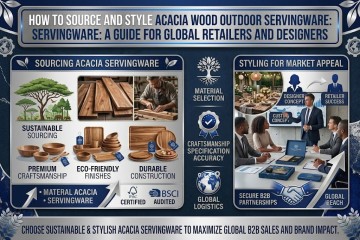
How to Source and Style Acacia Wood Outdoor Servingware: A Guide for Global Retailers and Designers
Key Takeaways
•Acacia wood is highly sought after for outdoor servingware due to its natural water resistance, exceptional durability, and rich grain patterns.
•Global B2B buyers must prioritize FSC, BSCI, and SMETA certifications to guarantee environmental sustainability and ethical manufacturing standards.
•Proper kiln-drying of Acacia wood to a moisture level of 8% to 12% is essential to prevent warping and cracking during international shipping.
•Combining Acacia wood servingware with handwoven rattan or seagrass accessories creates a premium, multi-textured tablescape that drives retail sales.
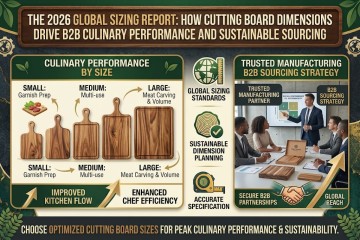
The 2026 Global Sizing Report: How Cutting Board Dimensions Drive B2B Culinary Performance and Sustainable Sourcing
Key Takeaways
•Standard cutting board sizes range from compact prep boards (8x10 inches) to oversized statement blocks (18x24 inches), each serving distinct functional and aesthetic roles in modern kitchens.
•A balanced B2B product portfolio should feature a 20:50:30 ratio of small, medium, and large cutting boards to align with diverse consumer demographics and urban living spaces.
•Material selection directly impacts dimensional stability; sustainably sourced Acacia and Bamboo offer the structural integrity required to prevent warping in larger-format boards.
•Sourcing cutting boards from FSC, BSCI, and SMETA-certified manufacturers minimizes supply chain risks and ensures compliance with tightening global environmental regulations.

7 Sustainable Wooden Office Accessories to Elevate Minimalist Workspace Design
Key Takeaways
•Minimalist wooden office accessories made from FSC-certified Acacia and Bamboo enhance workspace aesthetics while meeting strict corporate environmental ESG criteria.
•B2B buyers should prioritize suppliers with BSCI and SMETA compliance to ensure ethical labor practices and seamless global customs clearance.
•Integrating biophilic design elements like premium wood desk organizers boosts employee productivity, reduces workplace stress, and aligns with modern wellness trends.

Wood vs. Plastic for Kids: Why Acacia is the safer choice for family dining
Key Takeaways
•Acacia wood is a naturally antibacterial, highly durable, and non-toxic alternative to plastic kids' tableware, eliminating the risk of microplastic ingestion and chemical leaching.
•Global consumers are actively seeking plastic-free home goods, making sustainable hardwood tableware a high-margin, high-demand category for retailers.
•Acacia wood products from certified manufacturers comply with strict international safety and ethical standards, including FSC, BSCI, and SMETA.
•For interior designers and B2B buyers, Acacia offers a premium, warm aesthetic that seamlessly aligns with modern Japandi and biophilic design trends.
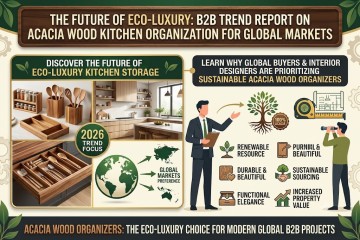
The Future of Eco-Luxury: B2B Trend Report on Acacia Wood Kitchen Organization for Global Markets
Key Takeaways
•Acacia wood has emerged as the premier material for luxury kitchen organization due to its exceptional water resistance, deep grain aesthetics, and superior durability compared to bamboo.
•Global consumer demand in 2026 is heavily focused on modularity and biophilic design, driving the rapid adoption of customizable Acacia drawer dividers and tiered storage systems.
•Strict international regulations like the EU Deforestation Regulation (EUDR) make FSC and BSCI certifications mandatory for B2B buyers importing woodenware into premium markets.
•Sourcing directly from established Vietnamese manufacturers like Ngoc Dong Ha Nam ensures supply chain resilience, competitive OEM/ODM customization, and compliance with global ethical standards.

The 2026 State of Green Corporate Gifting: Why Premium Wood is Redefining B2B Sustainability
Key Takeaways
•Corporate gifting is shifting away from cheap, disposable plastics toward high-quality, FSC-certified wooden products to align with strict global ESG and EUDR mandates.
•Certified wood, such as Acacia and Bamboo, offers superior durability, biophilic appeal, and brand prestige compared to synthetic alternatives.
•Partnering with certified manufacturers (BSCI, SMETA) ensures ethical labor standards and seamless global supply chain compliance for corporate buyers.
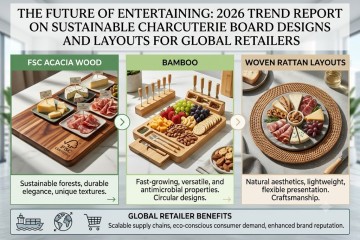
The Future of Entertaining: 2026 Trend Report on Sustainable Charcuterie Board Designs and Layouts for Global Retailers
Key Takeaways
•Global demand for charcuterie boards is shifting toward eco-luxury, with FSC-certified Acacia wood and organic bamboo leading the market.
•Multi-material presentation styles, particularly pairing hand-carved wooden boards with woven rattan or seagrass bases, are dominating high-end hospitality and retail.
•B2B buyers must prioritize international compliance standards, including BSCI, FSC, and SMETA, to meet strict global import regulations and consumer expectations.
•Integrated functional designs, such as boards with built-in compartments, juice grooves, and matching cheese knife sets, yield the highest retail margins.

5 Reasons Why Acacia Wood is the Ultimate Salad Bowl Vessel for Global B2B Sourcing
Key Takeaways
•Acacia wood possesses an exceptional Janka hardness rating of 1,100 to 2,300 lbf, providing superior scratch and dent resistance ideal for high-volume commercial kitchens.
•The tight, interlocked grain and natural oils of Acacia wood create an organic moisture barrier that prevents warping, staining, and odor absorption from acidic salad dressings.
•Hardwood surfaces like Acacia naturally trap and eliminate bacteria, making them far more hygienic and food-safe over long-term commercial use than scratched plastic alternatives.
•As a fast-growing hardwood species maturing in 15 to 30 years, Acacia is a highly renewable resource that aligns perfectly with global ESG compliance and green procurement initiatives.
•Ngoc Dong Ha Nam offers fully customizable OEM/ODM, FSC-certified, and BSCI-compliant Acacia tableware directly from Vietnam, ensuring robust supply chain compliance.

The Organic Modern Interior Movement: How Sustainable Natural Wood is Redefining Global Home Decor Markets (2026-2027)
Key Takeaways
•Organic Modern style integrates natural wood with minimalist lines to satisfy growing global consumer demand for biophilic, wellness-focused interiors.
•Global compliance standards like FSC, BSCI, and EUDR are critical benchmarks for importing natural wood products into Western markets.
•Combining natural wood with woven materials like Seagrass and Water Hyacinth creates high-margin, multi-textured home decor collections.
•Partnering with certified, vertically integrated manufacturers in Vietnam mitigates supply chain risks and ensures consistent product quality.
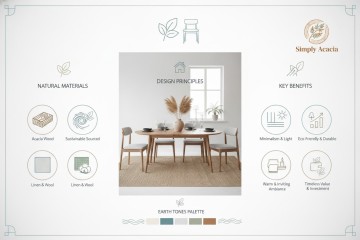
The Rise of Acacia in Nordic Design: A Trend Report on Sustainable Scandinavian Dining Spaces
Key Takeaways
•Modern Scandinavian design is transitioning from cold, pale wood tones to 'warm minimalism,' driving a surge in global B2B demand for rich Acacia wood accents.
•Acacia wood offers superior durability, water resistance, and natural antibacterial properties, making it the ideal sustainable material for dining furniture and tableware.
•Sourcing FSC-certified Acacia from compliant manufacturers like Ngoc Dong Ha Nam ensures seamless alignment with strict international environmental regulations like the EUDR.
•Integrating mixed-material designs—such as combining Acacia wood with hand-woven rattan or seagrass—is the leading trend for high-end eco-conscious dining collections.

A Professional Guide to Sanding and Refinishing Acacia Wood Boards: The B2B Restoration Protocol
Key Takeaways
•Acacia wood requires progressive sanding from 120-grit to 320-grit along its unique interlocking grain to safely remove scratches without damaging the structural integrity.
•Using food-safe finishes like pure mineral oil and beeswax ensures FDA compliance and preserves the natural, high-contrast aesthetic of B2B Acacia products.
•Implementing a professional refinishing protocol extends the product lifecycle, aligning retail brands and hospitality chains with global sustainability standards.
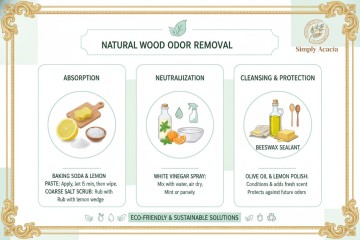
How to Remove Onion and Garlic Odors from Wooden Kitchenware Naturally: A B2B Guide to Eco-Friendly Maintenance
Key Takeaways
•Coarse salt and fresh lemon juice act as a powerful, non-toxic mechanical exfoliant to break down volatile organic sulfur compounds on wooden surfaces.
•Baking soda (sodium bicarbonate) paste effectively draws out deep-seated odors from porous wood fibers without damaging the natural grain.
•Proper air-drying and regular conditioning with food-grade mineral oil seal the wood pores, preventing future odor absorption and moisture damage.
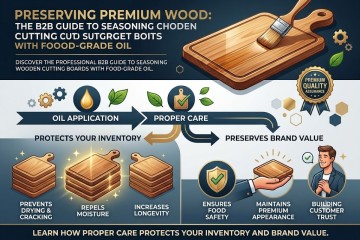
Preserving Premium Wood: The B2B Guide to Seasoning Cutting Boards with Food-Grade Oil
Key Takeaways
•Seasoning wood and bamboo cutting boards with food-grade mineral oil or beeswax prevents water absorption, warping, and bacterial growth.
•B2B retailers must advise against using culinary vegetable oils like olive or canola oil, which oxidize and turn rancid over time.
•Proactive product care guides reduce retail return rates and elevate brand reputation for high-quality kitchenware collections.
•Sourcing pre-seasoned, FSC-certified Acacia and Bamboo boards from compliant manufacturers like Ngoc Dong Ha Nam ensures long-term product durability.

The Science of Wood vs. Heat: Why Dishwashers Destroy Wooden Kitchenware (And How B2B Buyers Can Protect Their Brand Reputation)
Key Takeaways
•Wood is a highly hygroscopic natural material, meaning it constantly absorbs and releases moisture, causing cellular-level expansion and contraction that leads to warping when exposed to dishwasher heat.
•The combination of high-temperature water (often exceeding 60°C/140°F) and rapid heated drying cycles in dishwashers strips natural oils and ruptures wood fibers.
•Engineered wood and bamboo kitchenware rely on adhesives that chemically break down and delaminate under the intense heat and chemical detergents of modern dishwashers.
•Ngoc Dong Ha Nam mitigates environmental vulnerability by kiln-drying premium Acacia and Bamboo to an optimal 8-12% moisture content and applying food-safe, water-resistant sealants.
•Educating end-consumers on proper hand-washing and oiling protocols is a powerful brand-building tool that reduces return rates and elevates customer satisfaction.

How to Clean Acacia Bowls: The Ultimate B2B Maintenance Guide for Lifetime Durability
Key Takeaways
•Never wash acacia wood bowls in a dishwasher or submerge them in water, as extreme heat and prolonged moisture will warp and crack the wood.
•Wash immediately after use with warm, soapy water using a mild, pH-neutral dish soap and a soft microfiber cloth.
•Always dry acacia bowls immediately with a clean towel and let them air-dry vertically to ensure even air circulation on both sides.
•Season acacia wood bowls monthly with food-safe mineral oil or beeswax to maintain their natural hydration, rich grain, and water resistance.