Travel-Ready Woodware: The Rising Trend of Lightweight Acacia in Outdoor Dining
Strategic Summary:
-
The Outdoor Premiumization Trend: Consumers are rapidly abandoning single-use plastics and flimsy melamine in favor of high-quality, aesthetically pleasing natural materials for camping, glamping, and upscale picnics.
-
The Lightweight Paradox: Through advanced CNC machining and precise milling, dense hardwoods like acacia are being engineered into ultra-lightweight, travel-ready profiles without sacrificing structural durability.
-
Natural Weather Resistance: Acacia wood’s inherent density and natural oils make it exceptionally resistant to moisture, humidity, and outdoor elements, establishing it as the premier material for travel woodware.
-
ESG and the Conscious Camper: The demographic driving the outdoor recreation boom demands sustainable sourcing. FSC-certified acacia perfectly aligns with the eco-conscious values of modern outdoor enthusiasts.
-
Factory-Level Execution: Meeting the explosive global demand for these products requires sophisticated manufacturing. Leading facilities like Ngoc Dong Ha Nam leverage extensive drying rooms, advanced machinery, and rigorous ISO9001 quality controls to deliver scalable, export-ready outdoor collections.
Travel-Ready Woodware: How Lightweight Acacia is Dominating the Outdoor & Picnic Market
The Evolution of Al Fresco Dining: Beyond the Disposable
The global consumer relationship with outdoor recreation has undergone a profound transformation over the past five years. What began as a temporary surge in outdoor socializing has solidified into a permanent lifestyle shift. The concepts of "glamping" (glamorous camping), meticulously curated beach picnics, and elevated tailgating have created a booming sub-sector in the home goods and outdoor gear markets.
In the past, outdoor dining was synonymous with compromise. Consumers accepted flimsy paper plates, brittle single-use plastics, or uninspiring melamine trays purely for their convenience and portability. Today, market data reveals a fierce rejection of this disposable culture. Modern consumers want their outdoor experiences to reflect the aesthetic sophistication and environmental consciousness of their indoor lives. They are actively seeking products that blur the line between a high-end dining room and a rugged campsite.
Enter the era of travel-ready woodware. Leading this market revolution is lightweight acacia wood—a material that perfectly intersects durability, natural beauty, and environmental sustainability. For retail buyers and global supply chain directors, understanding the trajectory of this trend is critical for capturing the highly lucrative outdoor lifestyle demographic.
Trend 1: The Premiumization of the Outdoor Aesthetic
The modern outdoor excursion is a highly visual, often digitally documented experience. The visual contrast of a rich, warm-toned acacia wood serving platter resting on a woven seagrass blanket against a backdrop of nature is undeniably appealing. This "premiumization" of the outdoor space is driving massive retail demand for natural, tactile materials.
Acacia wood is uniquely positioned to capitalize on this aesthetic demand. It features dynamic, swirling grain patterns that range from golden honey to deep espresso. Unlike synthetic materials that look increasingly worn and degraded with outdoor use, acacia wood develops a rich patina over time. Consumers are no longer just buying a picnic plate; they are investing in "heritage" outdoor gear that feels bespoke and artisanal. This psychological shift from "disposable utility" to "curated lifestyle" is allowing retailers to achieve significantly higher margins on travel-ready wooden kitchen accessories.
Trend 2: The Engineering of Lightweight Durability
The primary historical barrier to using solid wood for camping and picnics was weight. Acacia is a naturally dense, heavy hardwood. For a hiker packing a rucksack or a family carrying a picnic basket across a large park, heavy oak or thick-cut walnut is simply impractical.
However, advancements in factory-level engineering have solved the weight dilemma, creating a new category of "ultra-light" hardwood accessories. By utilizing state-of-the-art CNC (Computer Numerical Control) machines, precision planers, and multi-head lathes, sophisticated manufacturers can mill solid acacia down to incredibly thin profiles.
A travel-ready acacia plate or a segmented camping tray can now be carved to a fraction of its traditional thickness. Because acacia has such a high tensile strength and dense cellular structure, it retains its rigid durability even when milled thin. The result is a product that is light enough to carry in a canvas backpack, yet strong enough to survive being dropped on a rocky campsite without shattering—a structural feat that cheap plastic or ceramic cannot match.
Trend 3: Natural Resilience to the Elements
Outdoor dining exposes tableware to a chaotic environment: sudden rain showers, damp grass, spilled camping fuel, and high humidity. Softwoods or improperly finished materials will quickly warp, splinter, or rot under these conditions.
Acacia wood is uniquely suited for the wild. It contains natural oils that render it highly resistant to water, fungi, and bacterial growth. When properly treated with food-safe mineral oils or a light, non-toxic lacquer at the factory level, acacia travel-ware becomes practically impervious to standard outdoor hazards.
Furthermore, the thermal properties of wood are highly advantageous for camping. Metal plates and cups become uncomfortably hot when holding a freshly cooked campfire meal, and freezing cold to the touch on a crisp morning. Acacia wood remains thermally neutral, providing a comfortable, safe tactile experience regardless of the ambient temperature or the food it holds.
Trend 4: Multi-Functional and Space-Saving Designs
Space is the ultimate premium in any travel scenario. The travel-ready woodware trend is heavily defined by ingenious, multi-functional design. Consumers are seeking products that do more with less footprint.
We are seeing a massive retail surge in modular acacia designs:
-
Stackable Camp Bowls: Precision-turned acacia bowls that nest perfectly inside one another, taking up minimal space in a picnic basket while providing service for four.
-
The Dual-Purpose Cutting Board/Tray: Lightweight acacia boards with a carved juice groove on one side for preparing freshly caught fish or campsite vegetables, and a smooth, polished side for serving artisan cheeses and charcuterie.
-
Foldable Picnic Tables: Low-profile, portable "wine and cheese" tables that feature collapsible legs and carved slots to securely hold wine glasses above the sand or grass.
-
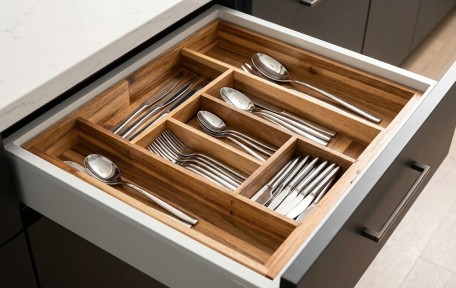
Integrated Flatware Caddies: Compact wooden blocks that securely house stainless steel or bamboo travel utensils, preventing them from rattling or getting lost in transit.
The Manufacturing Imperative: Sourcing for the Wild Translating the lightweight acacia trend from a conceptual design to a scalable retail product requires a manufacturing partner with profound technical expertise. Producing woodware that can survive outdoor extremes without warping or cracking is a complex metallurgical and botanical challenge.
Ngoc Dong Ha Nam Co. has emerged as a premier global supplier in this exact intersection of natural materials and industrial precision. Established as a cooperative in 1988 and formally incorporated in 2004, the company brings over 30 years of manufacturing experience and more than two decades of international export expertise.
For outdoor woodware, moisture control is the single most critical manufacturing step. If an acacia plate is not perfectly dried, it will warp the moment it is exposed to the humidity of a forest campsite. Ngoc Dong Ha Nam mitigates this risk by operating three specialized, high-capacity drying rooms, ensuring the raw material is stabilized long before it hits the CNC machines. Once finished, goods are stored in three insulated warehouses capable of holding over 40 containers, guaranteeing environmental stability for up to six months of storage.
Operating a 12,000-square-meter facility with a network of 70 in-house technicians and over 2,000 traditional artisans, Ngoc Dong has the capacity to export 40-50 containers per month. This scale, combined with an ISO9001 certified quality management system, allows them to consistently meet the exacting standards of the world's largest retailers, including Walmart, Target, Costco, Lowes, Lidl, Aldi, Kmart Australia, and Nitori.
Trend 5: The ESG-Driven Outdoor Consumer
Finally, it is impossible to discuss outdoor gear without addressing the environmental conscience of the consumer. The demographic that loves hiking, camping, and national parks is fiercely protective of the environment. Selling them outdoor dining gear made from petroleum-based plastics is increasingly resulting in brand alienation.
This consumer demands absolute transparency and environmental stewardship (ESG). They want to know that the wood used to craft their travel tray was not illegally logged from a fragile rainforest. By sourcing from a manufacturer like Ngoc Dong Ha Nam—which holds FSC (Forest Stewardship Council) certification alongside ISO14001 environmental standards, SCAN, BSCI, and SMETA—brands can confidently market their products as ethically and sustainably produced.
The Future of Outdoor Dining
The transition toward travel-ready, lightweight acacia woodware is not a passing seasonal fad; it is a fundamental realignment of the outdoor dining category. Consumers are demanding gear that respects the environment they are exploring, withstands the rigors of travel, and brings a sense of refined beauty to the wilderness. By leveraging precision manufacturing and sustainable forestry, brands can deliver exactly what the modern adventurer is seeking: the uncompromising comfort of home, perfectly packed for the wild.
Are you ready to capture the booming outdoor and glamping market with premium, sustainably sourced travel woodware? Partner with a manufacturer that combines artisanal beauty with industrial-scale precision. Explore our exquisite collection of FSC-certified acacia picnic accessories, serving trays, and stackable outdoor tableware at www.simplyacacia.com. For B2B wholesale inquiries, OEM custom manufacturing, and to learn more about our 30-year legacy of global export excellence, visit www.ngocdonghandicrafts.com. Secure your production run for the upcoming outdoor season today!
Frequently Asked Questions (FAQs)
1. Is acacia wood too heavy for camping and travel? Traditionally, hardwood was heavy. However, utilizing modern CNC machining, high-quality acacia can be milled into incredibly thin, ultra-lightweight profiles without losing its structural strength, making it perfect for travel, picnics, and camping.
2. How does acacia wood hold up to outdoor weather and moisture? Acacia is naturally water-resistant and contains natural oils that protect it from moisture and rot. When properly kiln-dried and finished with a food-safe oil or light lacquer, it becomes highly resilient to damp outdoor conditions and sudden weather changes.
3. Why is FSC certification important for outdoor woodware? Outdoor enthusiasts are deeply environmentally conscious. FSC (Forest Stewardship Council) certification guarantees that the wood used for the product was harvested sustainably, protecting global forests and appealing directly to eco-minded consumers.
4. Can Ngoc Dong Ha Nam manufacture custom, multi-functional outdoor designs? Yes. Equipped with advanced machinery like CNC routers, 4-head lathes, and pressing machines, Ngoc Dong can execute complex OEM designs, such as foldable picnic tables, stackable bowls, and dual-purpose cutting boards tailored to your brand’s specifications.
5. How does the factory prevent wooden outdoor items from warping? Warping is prevented through strict moisture management. Ngoc Dong Ha Nam operates three high-capacity drying rooms to meticulously stabilize the acacia wood's moisture content before manufacturing, and utilizes insulated warehouses to protect finished goods prior to global export.