
The 2026 Global Sizing Report: How Cutting Board Dimensions Drive B2B Culinary Performance and Sustainable Sourcing
Key Takeaways
- •Standard cutting board sizes range from compact prep boards (8x10 inches) to oversized statement blocks (18x24 inches), each serving distinct functional and aesthetic roles in modern kitchens.
- •A balanced B2B product portfolio should feature a 20:50:30 ratio of small, medium, and large cutting boards to align with diverse consumer demographics and urban living spaces.
- •Material selection directly impacts dimensional stability; sustainably sourced Acacia and Bamboo offer the structural integrity required to prevent warping in larger-format boards.
- •Sourcing cutting boards from FSC, BSCI, and SMETA-certified manufacturers minimizes supply chain risks and ensures compliance with tightening global environmental regulations.
EXECUTIVE SUMMARY: THE STRATEGIC VALUE OF PRECISION SIZING IN MODERN KITCHENWARE PROCUREMENT
In the global kitchenware and home decor market, the cutting board has evolved from a basic utility tool into a central design element and culinary asset. For B2B buyers, category managers, and interior designers, selecting the right assortment of cutting board sizes is not merely a matter of aesthetic variety; it is a strategic decision that directly influences supply chain efficiency, shipping costs, retail shelf-space optimization, and consumer satisfaction. As sustainability regulations tighten globally, understanding how material yields—particularly for eco-friendly hardwoods like Acacia and rapid-growth Bamboo—intersect with product dimensions is crucial. This report analyzes the shifting dynamics of cutting board dimensions, providing actionable insights to optimize your product sourcing and portfolio design for the upcoming market cycles.
THE CURRENT LANDSCAPE: SIZING STANDARDS AND THE RISE OF MULTI-FUNCTIONAL KITCHEN SPACES
The contemporary kitchen is no longer just a place for food preparation; it is a social hub, an office, and a design showcase. This multi-functional shift has fragmented consumer demands regarding kitchenware dimensions. Smaller urban apartments require compact, space-saving culinary tools, while spacious suburban homes and premium hospitality venues demand large, dramatic statement pieces. Historically, cutting boards were sold in generic, one-size-fits-all formats. Today, the global market demands a tiered sizing strategy. Buyers must curate collections that cater to three distinct kitchen zones: the compact prep station, the everyday culinary workspace, and the social presentation arena. Understanding the specific dimensions and use cases of each zone allows brands to capture maximum market share.
KEY SIZING TRENDS: CATEGORIZING DIMENSIONS FOR TARGETED CONSUMER APPEAL
1. The Compact Prep Board (Under 10x14 Inches)
Designed for quick, low-volume tasks such as slicing lemons, mincing garlic, or preparing garnishes. These boards are highly favored by urban dwellers, single-person households, and bar stations. Their small footprint makes them easy to wash, store, and handle. From a manufacturing perspective, compact boards are excellent for sustainable material utilization, as they can be produced from smaller wood cuts, reducing waste in the production of Acacia and Bamboo boards.
2. The Everyday Workhorse (10x14 to 12x18 Inches)
The undisputed volume driver in retail. This size category provides sufficient surface area for chopping vegetables, prepping proteins, and managing daily family meals without overcrowding the standard countertop. For B2B buyers, this is the low-risk, high-volume anchor of any kitchenware line. It offers the perfect balance between usability and storage convenience, fitting comfortably into standard kitchen cabinets and dishwashers.
3. The Professional & Presentation Block (15x20 Inches and Above)
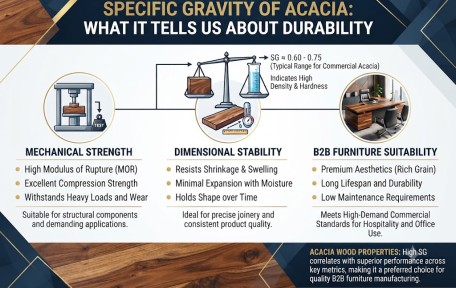
Often referred to as carving boards, butcher blocks, or charcuterie platters. These oversized boards are highly sought after by culinary enthusiasts, professional chefs, and interior designers. They serve a dual purpose: heavy-duty food preparation and rustic, elegant food presentation. These boards demand premium, high-density materials like FSC-certified Acacia to ensure structural integrity and prevent warping under heavy use. They represent high-margin opportunities for premium retail brands and luxury hospitality suppliers.
FUTURE OUTLOOK: MODULAR KITCHENS, ERGONOMICS, AND CIRCULAR SOURCING
Looking toward the future, the integration of cutting boards into modular kitchen systems is gaining rapid traction. We anticipate an increased demand for over-the-sink cutting boards and customized dimensions that integrate seamlessly with built-in prep stations. Ergonomics will also play a key role, with thicker, heavier boards designed to reduce wrist fatigue during prolonged prep work. Crucially, the future of cutting board manufacturing belongs to circularity. Large-format boards require substantial raw material, making responsible sourcing paramount. Manufacturers with robust sustainability credentials, such as FSC (Forest Stewardship Council) certification, will lead the market. Brands must partner with producers who can guarantee that even the largest wood and bamboo blocks are sourced from responsibly managed forests, ensuring compliance with global ESG mandates.
Strategic Recommendations: Optimizing Your Product Portfolio for Global Distribution
To maximize profitability and meet the diverse needs of global consumers, B2B buyers should implement the following procurement strategies:
- Implement a Tiered Portfolio Ratio: Structure your inventory with a balanced mix—approximately 20% small prep boards, 50% medium everyday boards, and 30% large presentation blocks to cover all consumer segments.
- Leverage Material Strengths: Specify Bamboo for lightweight, budget-friendly, and highly renewable small-to-medium boards. Choose dense, rich-grained Acacia wood for premium, large-format carving and charcuterie boards to ensure aesthetic appeal and long-term durability.
- Optimize Packaging and Logistics: Work with manufacturers like Ngoc Dong Ha Nam who offer nested packaging designs. Nesting smaller boards inside or alongside larger boards reduces shipping volume, lowers carbon footprints, and cuts freight costs.
- Prioritize Certified Compliance: Ensure your manufacturing partners hold BSCI, SMETA, and FSC certifications. This guarantees ethical labor practices and sustainable forestry, protecting your brand reputation and ensuring smooth customs clearance in strictly regulated markets.
FREQUENTLY ASKED QUESTIONS
What is the most versatile cutting board size for everyday home use?
A medium cutting board measuring approximately 12 x 18 inches is considered the ideal all-purpose size, offering ample space for daily meal prep without taking up excessive counter space.
Why does wood density and sustainability matter when selecting large cutting boards?
Large boards require durable, dimensionally stable woods like Acacia or Bamboo to prevent warping. Selecting FSC-certified wood ensures that these larger material volumes are sourced from responsibly managed forests.
How do cutting board dimensions impact shipping and logistics for B2B buyers?
Larger boards increase packaging volume and shipping costs. Working with an experienced manufacturer like Ngoc Dong Ha Nam allows for optimized flat-pack nesting designs that maximize container utilization.
What cutting board size is best suited for professional food service and hospitality?
Professional kitchens typically require extra-large boards (18 x 24 inches or larger) to accommodate high-volume prep and prevent cross-contamination, often paired with color-coded or material-specific usage.