
The Future of Eco-Luxury: B2B Trend Report on Acacia Wood Kitchen Organization for Global Markets
Key Takeaways
- •Acacia wood has emerged as the premier material for luxury kitchen organization due to its exceptional water resistance, deep grain aesthetics, and superior durability compared to bamboo.
- •Global consumer demand in 2026 is heavily focused on modularity and biophilic design, driving the rapid adoption of customizable Acacia drawer dividers and tiered storage systems.
- •Strict international regulations like the EU Deforestation Regulation (EUDR) make FSC and BSCI certifications mandatory for B2B buyers importing woodenware into premium markets.
- •Sourcing directly from established Vietnamese manufacturers like Ngoc Dong Ha Nam ensures supply chain resilience, competitive OEM/ODM customization, and compliance with global ethical standards.
EXECUTIVE SUMMARY: THE CONVERGENCE OF AESTHETICS AND SUSTAINABILITY IN KITCHEN ORGANIZATION
As we navigate the design landscape of 2026, the global home decor and kitchenware sectors are experiencing a profound paradigm shift. Modern consumers are no longer satisfied with mere functionality; they demand that their living spaces reflect their ecological values and aesthetic aspirations. The kitchen, long considered the heart of the home, has transitioned into a multi-functional sanctuary where organization meets high-end interior design. This trend report examines the meteoric rise of Acacia wood kitchen organizers as a dominant force in the global market.
For global B2B buyers, distributors, and interior designers, understanding this shift is crucial. The transition away from single-use plastics and cheap synthetics toward durable, natural materials has positioned Acacia wood as the premier choice for premium kitchen storage. This report provides a comprehensive analysis of current market dynamics, key organization hacks driving consumer demand, future design outlooks, and strategic sourcing recommendations to help businesses capitalize on this lucrative market segment.
THE CURRENT LANDSCAPE: WHY MODERN BUYERS AND DESIGNERS PRIORITIZE ACACIA WOOD
The global market for kitchen storage and organization is experiencing robust growth, fueled by the urbanization of living spaces and a renewed focus on home cooking. Within this category, wood-based organizers are outperforming synthetic alternatives. Acacia wood, in particular, has captured the attention of high-end retailers and interior designers worldwide. But what makes this material uniquely suited for the modern kitchen?
Unmatched Durability and Natural Resistance
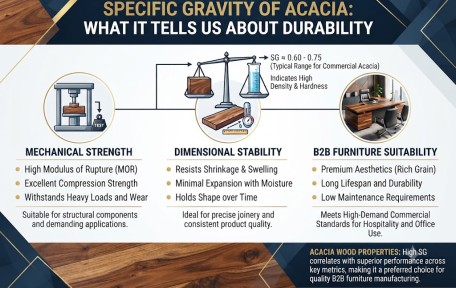
Acacia is a dense hardwood characterized by its high oil content and tight grain structure. These natural properties make it exceptionally resistant to moisture, warping, and scratching—common challenges in high-humidity kitchen environments. Unlike bamboo, which can split over time, or softwoods that dent easily, Acacia offers a furniture-grade longevity that appeals directly to quality-conscious consumers.
Biophilic Design and Aesthetic Appeal
Biophilic design—the practice of connecting indoor environments with the natural world—continues to dominate interior design trends. Acacia wood features a rich, warm color palette ranging from deep ambers to dark chocolate browns, accented by striking contrasting sapwood. Every piece of Acacia kitchenware is inherently unique, offering an organic, luxury feel that elevates standard cabinets and countertops into curated design statements.
The Regulatory and Ethical Imperative
In today's B2B procurement landscape, sustainability is not a marketing buzzword; it is a legal and ethical requirement. With the enforcement of strict environmental standards such as the EU Deforestation Regulation (EUDR), global buyers must ensure their supply chains are transparent. Sourcing FSC (Forest Stewardship Council) certified Acacia wood from compliant manufacturers is no longer optional—it is a baseline requirement for market entry in North America and Europe.
KEY TRENDS: SMART KITCHEN ORGANIZATION HACKS DRIVING GLOBAL DEMAND
To capture market share, retailers and designers must offer products that solve real-world spatial challenges while maintaining a premium look. Here are the top four kitchen organization hacks utilizing Acacia wood that are currently driving consumer purchasing decisions:
1. The Modular Drawer Grid System
Standard, fixed drawer organizers often leave wasted space and fail to accommodate diverse kitchen tools. The modern solution is the modular Acacia wood drawer divider system. By utilizing adjustable, spring-loaded Acacia dividers, consumers can customize their drawer layouts to perfectly fit everything from oversized chef's knives to delicate pastry brushes. This bespoke feel at an accessible price point has made modular dividers a top-performing SKU for home organization retailers.
2. Tiered Countertop Risers and Lazy Susans
Countertop clutter is a major pain point for homeowners. Designers are solving this by utilizing vertical space and rotational storage. Acacia wood tiered spice risers create a clean, stadium-like display for jars, ensuring visibility and easy access. Meanwhile, heavy-duty Acacia Lazy Susans equipped with smooth-glide ball bearings have transitioned from the dining table to the pantry and corner cabinets, turning hard-to-reach corners into highly functional storage zones.
3. Integrated Magnetic Knife Strips and Floating Shelves
Minimalist kitchens favor clear countertops. Wall-mounted Acacia magnetic knife strips offer a sleek, hygienic alternative to bulky knife blocks. The rich wood grain conceals powerful neodymium magnets, safely holding premium cutlery while protecting blade edges. When paired with thick, floating Acacia shelves, these elements create a sophisticated, open-concept display that showcases fine dinnerware and organic pantry jars.
4. Hermetic Pantry Uniformity with Acacia-Lidded Glassware
The 'pantry edit' trend remains highly popular on social media and home design blogs. Consumers are replacing mismatched commercial packaging with uniform glass canisters topped with airtight Acacia wood lids. The silicone gaskets integrated into the Acacia lids ensure food freshness, while the natural wood tops bring warmth and visual cohesion to open shelving and pantry cabinets.
FUTURE OUTLOOK: THE EVOLUTION OF MODULAR AND ECO-CONSCIOUS KITCHEN STORAGE
Looking ahead toward 2030, the integration of natural materials in the kitchen will become even more sophisticated. We anticipate several key developments that B2B buyers should prepare for:
Smart Kitchen Integration
The next generation of kitchen organization will see the convergence of natural wood with smart home technology. Expect to see Acacia wood charging stations integrated into drawer organizers, wireless recipe tablet stands crafted from solid Acacia, and organizers designed to house smart kitchen scales and devices seamlessly.
Material Hybridization
Designers are increasingly pairing Acacia wood with other sustainable, high-contrast materials. We are seeing a rise in products that combine Acacia wood with matte black powder-coated steel, brass accents, and recycled glass. This hybrid aesthetic bridges the gap between rustic warmth and modern industrial minimalism, appealing to a broader demographic of urban consumers.
Circular Design Principles
Future product development will focus heavily on circularity. This means designing Acacia organizers that can be easily disassembled, repaired, or repurposed at the end of their lifecycle. Manufacturers who can demonstrate a low carbon footprint and utilize eco-friendly, food-safe finishes (such as solvent-free plant oils) will hold a significant competitive advantage.
Strategic Recommendations for B2B Sourcing: Partnering for Sustainable Success
For international buyers looking to capitalize on the growing demand for Acacia kitchen organizers, selecting the right manufacturing partner is the single most critical decision. To mitigate risk and maximize profitability, we recommend the following strategic actions:
Verify Global Compliance and Certifications
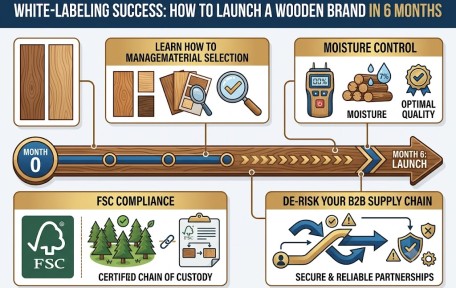
Ensure your manufacturing partner holds internationally recognized certifications. Look for factories that are BSCI (Business Social Compliance Initiative) and SMETA audited, ensuring ethical labor practices. Most importantly, verify their FSC chain of custody to guarantee that the Acacia wood is sourced from responsibly managed forests.
Evaluate OEM/ODM Customization Capabilities
In a competitive retail environment, product differentiation is key. Partner with a manufacturer that offers robust OEM and ODM services. This allows you to customize product dimensions, laser-engrave your branding, design bespoke packaging, and develop exclusive product lines that set your brand apart from competitors.
Leverage Vietnam's Manufacturing Advantages
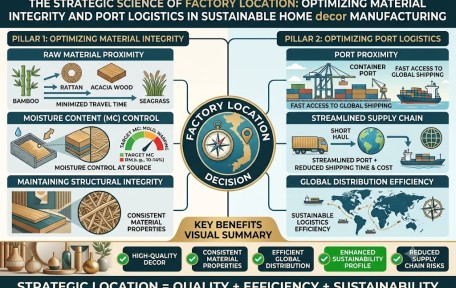
Vietnam has established itself as a global hub for high-quality wood manufacturing and handicraft production. By partnering with leading Vietnamese manufacturers like Ngoc Dong Ha Nam, global buyers benefit from decades of artisanal craftsmanship, advanced production technology, stable supply chains, and favorable trade agreements that minimize import tariffs.
By aligning your product portfolio with the sustainable, high-quality attributes of Acacia wood, and partnering with a certified, capable manufacturer, your business can successfully capture the growing global demand for eco-luxury kitchen organization solutions.
FREQUENTLY ASKED QUESTIONS
Why is Acacia wood preferred over bamboo for kitchen organizers?
Acacia wood is a dense hardwood that offers superior water resistance, natural durability, and a much richer, varied grain pattern compared to bamboo. While bamboo is a grass that can split and warp in high-moisture kitchen environments, Acacia is highly stable and provides a premium, furniture-grade aesthetic.
Are Acacia wood kitchen organizers safe for direct food contact?
Yes, provided they are treated with food-safe finishes. Reputable manufacturers like Ngoc Dong Ha Nam use non-toxic, solvent-free vegetable oils or water-based food-safe lacquers to protect the wood while ensuring it remains completely safe for food preparation and storage.
How do you maintain and clean Acacia wood kitchen organizers?
Acacia wood organizers should be wiped down with a damp cloth and mild soap, then dried immediately. They should never be submerged in water or placed in a dishwasher. To maintain the rich luster of the wood and prevent drying, it is recommended to apply a food-safe mineral oil once or twice a year.
What certifications should a B2B buyer look for when sourcing wooden kitchenware?
Buyers should look for FSC (Forest Stewardship Council) certification to ensure sustainable wood sourcing, and social compliance audits such as BSCI or SMETA to guarantee ethical labor practices throughout the manufacturing supply chain.