
How to Source and Style Acacia Wood Outdoor Servingware: A Guide for Global Retailers and Designers
Key Takeaways
- •Acacia wood is highly sought after for outdoor servingware due to its natural water resistance, exceptional durability, and rich grain patterns.
- •Global B2B buyers must prioritize FSC, BSCI, and SMETA certifications to guarantee environmental sustainability and ethical manufacturing standards.
- •Proper kiln-drying of Acacia wood to a moisture level of 8% to 12% is essential to prevent warping and cracking during international shipping.
- •Combining Acacia wood servingware with handwoven rattan or seagrass accessories creates a premium, multi-textured tablescape that drives retail sales.
THE RISE OF ALFRESCO DINING: WHY ACACIA WOOD DOMINATES OUTDOOR LIVING
Outdoor living has evolved from a seasonal trend into a permanent lifestyle shift. Today's consumers view their patios, gardens, and balconies as natural extensions of their indoor living spaces. Consequently, the demand for high-quality, durable, and aesthetically pleasing outdoor servingware has surged. For global B2B buyers, sourcing products that can withstand outdoor elements while maintaining an elegant, organic appeal is crucial.
Acacia wood has emerged as the premier material for outdoor servingware. Renowned for its rich, contrasting grain patterns and exceptional natural durability, Acacia bridges the gap between functional resilience and high-end design. In this comprehensive guide, we will walk you through the essential steps to successfully source, style, and market Acacia wood outdoor servingware for your retail or design business.
PREREQUISITES FOR SOURCING: QUALITY STANDARDS AND COMPLIANCE
Before adding Acacia wood products to your inventory, global buyers must ensure that their manufacturing partners meet stringent international standards. Sourcing sustainably and ethically is no longer optional; it is a core expectation of the modern consumer.
1. Environmental and Social Compliance
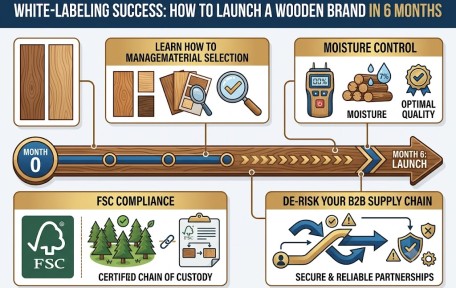
Verify that your supplier holds key international certifications. Look for FSC (Forest Stewardship Council) certification, which guarantees that the Acacia wood is harvested from responsibly managed forests. Additionally, social compliance audits such as BSCI (Business Social Compliance Initiative) or SMETA (Sedex Members Ethical Trade Audit) ensure fair labor practices and safe working conditions in the manufacturing facilities.
2. Moisture Control and Seasoning
Acacia wood must be properly kiln-dried to a moisture content of 8% to 12% before production. This step is critical to prevent warping, cracking, or splitting when the finished products are shipped across different climate zones. Partnering with experienced manufacturers like Ngoc Dong Ha Nam ensures precise moisture control through advanced kiln-drying technology.
3. Food Safety Certifications
Since these items will contact food, they must comply with global food safety regulations, such as FDA standards for the US market and LFGB regulations for Europe. Ensure the glues and finishes used are non-toxic, lead-free, and food-grade.
Step 1: Selecting the Right Finishes and Design Profiles
The finish of your Acacia servingware determines both its visual appeal and its performance under outdoor conditions. When curating your collection, consider these key finish and design options:
- Natural Food-Grade Oil Finish: This classic finish penetrates the wood fibers, highlighting the natural, warm tones of the Acacia grain. It is ideal for rustic, organic-modern collections and is easily maintained by the end-consumer.
- Matte Protective Lacquer: A food-safe, matte polyurethane coating provides a stronger moisture barrier, making the servingware highly resistant to food stains and liquids. This is highly recommended for commercial hospitality settings.
- Contrasting Edge Designs: Incorporating live-edge profiles or combining Acacia wood with natural handwoven materials—such as rattan or seagrass handles—creates a multi-textured, premium look that stands out on retail shelves.
Step 2: Styling and Merchandising Acacia for the Modern Patio
To maximize sales, global retailers and interior designers must present Acacia wood servingware as part of a cohesive lifestyle concept. Outdoor dining is inherently social, relaxed, and deeply connected to nature.
Creating the Ultimate Eco-Chic Tablescape
Encourage your customers to pair Acacia wood chargers, salad bowls, and serving platters with handwoven natural fiber accessories. For instance, placing an Acacia wood cheese board alongside seagrass placemats and rattan drink coasters creates a rich, tactile experience. This mix of hard and soft natural materials is a dominant trend in contemporary outdoor design, appealing to eco-conscious consumers who value artisanal craftsmanship.
Curating Versatile Product Bundles
Design curated sets that cater to specific outdoor entertaining scenarios. A "Garden Wine & Cheese Set" featuring an Acacia board, handwoven rattan wine bottle holders, and bamboo utensils offers a ready-made luxury experience. Merchandising these items together online and in-store significantly increases average order values.
Step 3: Educating Consumers on Care and Longevity
While Acacia is naturally water-resistant and durable, proper care is essential to maintain its beauty over years of outdoor use. Providing clear care instructions is a powerful way to build brand trust and minimize product returns.
- Hand Wash Only: Instruct consumers to wash Acacia servingware with mild soap and warm water immediately after use. It should never be submerged in water or placed in a dishwasher.
- Avoid Extreme Heat: Keep Acacia wood away from direct heat sources and prolonged, intense sunlight when not in use to prevent the wood from drying out.
- Regular Re-Oiling: Advise customers to apply a thin coat of food-grade mineral oil or beeswax every few months. This simple step restores the wood's natural luster and preserves its moisture-resistant properties.
CONCLUSION: SECURING YOUR SUSTAINABLE ACACIA SUPPLY CHAIN
As the outdoor living market continues to expand, offering high-quality, sustainable Acacia wood servingware is a strategic win for global brands. By focusing on certified materials, superior moisture control, and cohesive natural designs, you can capture the growing demand for eco-luxury garden dining.
At Ngoc Dong Ha Nam, we combine decades of artisanal heritage with state-of-the-art manufacturing processes. Our FSC, BSCI, and SMETA-certified facilities in Vietnam specialize in crafting premium Acacia wood homeware integrated with handwoven natural fibers. Partner with us to elevate your product portfolio and build a reliable, sustainable supply chain for the global market.
FREQUENTLY ASKED QUESTIONS
Why is Acacia wood ideal for outdoor servingware?
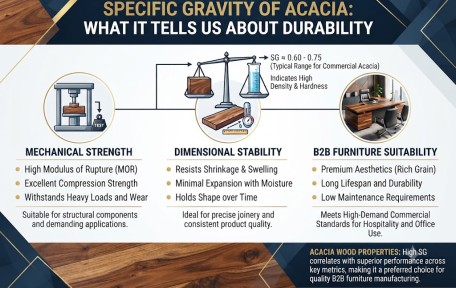
Acacia wood contains natural oils that make it highly resistant to water, decay, and insect damage, making it exceptionally durable for outdoor patio and garden dining.
How do you prevent Acacia wood servingware from cracking?
Manufacturers must kiln-dry the wood to a moisture content of 8% to 12%. Consumers should also avoid dishwashers and periodically apply food-grade mineral oil to maintain the wood's moisture balance.
Is Acacia wood food-safe?
Yes, Acacia wood is completely non-toxic and safe for serving food. When sourcing, ensure that the finishes, glues, and oils used are certified food-grade according to FDA or LFGB standards.
Can Acacia wood servingware be customized for B2B brands?
Absolutely. Experienced manufacturers like Ngoc Dong Ha Nam offer extensive OEM/ODM customization, including custom laser-engraved logos, unique shapes, and integrated handwoven fiber accents.