The Rise of Warm Minimalism: Why Acacia Wood is Replacing Cold Marble in Global Interior Sourcing
Key Takeaways
• Warm minimalism is driving a significant global design shift away from cold, high-maintenance marble toward tactile, sustainable organic materials like Acacia wood.• Acacia wood offers superior durability with a Janka hardness rating of 1,700 to 2,200 lbf, making it highly scratch-resistant and ideal for heavy-use B2B applications.
• Sourcing FSC-certified Acacia wood from compliant Vietnamese manufacturers ensures compliance with strict international regulations like the EUDR starting December 30, 2026.
• Integrating Acacia wood with natural fibers like rattan and seagrass allows brands to capture the growing premium eco-luxury market segment while optimizing shipping costs.
EXECUTIVE SUMMARY: THE WARM MINIMALISM PARADIGM IN GLOBAL SOURCING
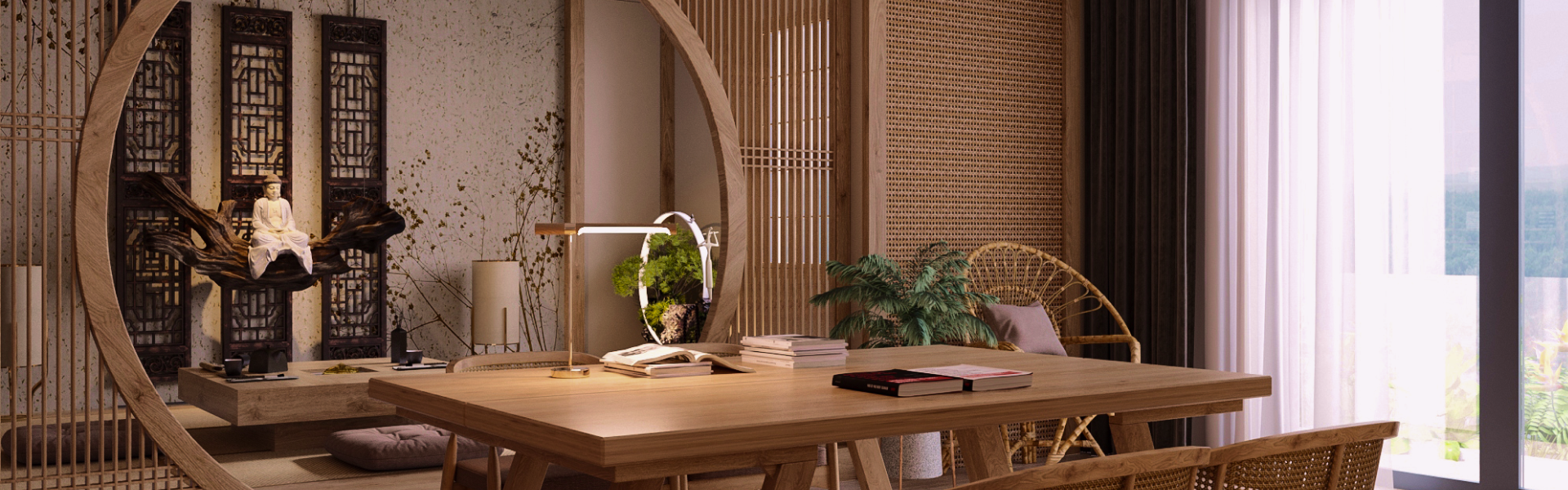
The global interior design landscape is undergoing a profound structural shift. For nearly a decade, the "clinical luxury" aesthetic dominated high-end residential and commercial projects. This look, characterized by cold Carrara marble, polished concrete, high-shine metals, and a sterile, monochrome palette, is rapidly losing its market appeal. Today, modern consumers and B2B buyers are pivoting toward "Warm Minimalism"—a design philosophy that retains the clean lines and clutter-free spaces of traditional minimalism but infuses them with rich textures, organic shapes, and a palette of warm, grounding neutrals. At the center of this movement is Acacia wood.
Sourcing directors, retail category managers, and hospitality procurement specialists are increasingly moving away from heavy, fragile, and high-carbon stone products in favor of sustainable, high-performance Acacia wood textures. This trend report analyzes the driving forces behind this transition, the technical superiority of Acacia wood, and strategic recommendations for B2B buyers looking to capture this rapidly growing market segment. As a leading manufacturer of sustainable natural home decor, Ngoc Dong Ha Nam has documented a substantial year-over-year increase in global inquiries for Acacia-based products, signaling a long-term realignment of consumer preferences.
Buyers are no longer just looking for functional furniture; they are seeking pieces that tell a story of craftsmanship, environmental stewardship, and tactile comfort. By moving away from cold marble, designers are creating environments that act as sanctuaries, utilizing the natural variations of Acacia to bring warmth and depth into modern spaces. This report serves as a comprehensive guide for global procurement professionals to navigate this material shift, understand the underlying market drivers, and optimize their supply chains for the upcoming design seasons.
THE CURRENT LANDSCAPE: THE COOL DOWN OF COLD MARBLE
To understand why Acacia wood is capturing market share, we must first examine the decline of the stone-and-metal monopoly. While marble has long been synonymous with opulence, its practical and ecological drawbacks are increasingly difficult for B2B buyers to ignore. First, the logistical burden of marble is immense. It is exceptionally heavy, which drives up transcontinental shipping costs and increases the carbon footprint of the supply chain. Furthermore, its inherent fragility makes it highly susceptible to breakage during transit, leading to costly insurance claims, delayed project timelines, and waste.
Once installed, marble requires high maintenance; it is porous, prone to acid etching, staining, and cracking under thermal stress. Second, the environmental impact of open-pit quarrying is drawing severe criticism from ESG-focused investors and consumers. Quarrying destroys local ecosystems, disrupts water tables, and produces massive amounts of non-biodegradable waste. In contrast, the modern post-pandemic consumer views the home not as a sterile gallery, but as a sanctuary. The psychological need for comfort, safety, and a deep biophilic connection has made cold materials feel institutional and uninviting.
Acacia wood, with its high density, natural antibacterial properties, and rich, varied grain, offers a tactile, grounding alternative. It absorbs sound, retains warmth, and responds beautifully to human touch. This shift is particularly evident in the hospitality sector, where boutique hotels and luxury resorts are replacing marble reception desks and vanity tops with solid Acacia wood, creating an immediate sense of welcome and organic luxury. By transitioning from cold marble to warm Acacia, brands can deliver the premium feel of high-end design while aligning with modern ecological values and reducing logistical risks.
KEY TRENDS: THE STRUCTURAL AND AESTHETIC SUPERIORITY OF ACACIA WOOD
From a technical and manufacturing perspective, Acacia is not just an aesthetic alternative; it is an engineered marvel of nature. For B2B importers, understanding the physical properties of Acacia is critical to justifying the switch from stone or other hardwoods. Let's examine the raw performance metrics that make Acacia wood a superior choice for high-traffic environments:
1. Unmatched Durability: The Janka Hardness Advantage
On the Janka Hardness Scale, which measures a wood species' resistance to denting and wear, Acacia ranks exceptionally high, typically between 1,700 and 2,200 lbf depending on the specific species and moisture content. This makes Acacia significantly harder than traditional options like Red Oak (1,290 lbf), White Oak (1,360 lbf), and Hard Maple (1,450 lbf). This high Janka rating translates to incredible scratch resistance, longevity, and durability in commercial and high-traffic residential settings.
2. Natural Moisture and Decay Resistance
Acacia's dense cellular structure is naturally saturated with organic oils that repel water, mold, and insect activity. This inherent moisture resistance makes it an excellent material for kitchenware, bathroom accessories, and indoor-outdoor transitional furniture. Unlike marble, which can absorb water and develop deep stains, Acacia can be easily treated with food-safe oils to maintain its pristine condition for decades.
3. Aesthetic Versatility and the Interlocking Grain
One of Acacia's most striking visual features is its highly figured, interlocking grain pattern, which creates a mesmerizing play of light and shadow—a quality known as chatoyancy. Unlike the uniform, predictable grain of engineered woods, every piece of solid Acacia is unique, offering a bespoke luxury feel at a fraction of the cost of exotic hardwoods.
4. Multi-Material Synergy
At Ngoc Dong Ha Nam, we elevate these natural properties by combining Acacia wood with other natural fibers like rattan, seagrass, and water hyacinth. This multi-material synergy is a key trend in Warm Minimalism, allowing designers to layer different organic textures within a single space. For example, an Acacia wood serving tray featuring hand-woven rattan handles combines structural strength with delicate, artisanal craftsmanship. This fusion of materials not only enhances the aesthetic appeal but also supports local farming communities in Vietnam, providing a compelling narrative for retail brands to share with eco-conscious consumers.
FUTURE OUTLOOK: SOURCING COMPLIANCE AND ESG MANDATES
As we look toward the future of global supply chains, sustainability is no longer a marketing buzzword—it is a legal and operational mandate. The implementation of the European Union Deforestation Regulation (EUDR), with key deadlines starting December 30, 2026, represents a watershed moment for the home decor and furniture industries. Under the EUDR, any wood product entering the EU market must be proven deforestation-free, legally harvested, and fully traceable back to the specific plot of land where the timber was grown.
This regulation will severely restrict the import of untraceable, illegally logged timber, forcing global buyers to re-evaluate their sourcing networks. Fortunately, Vietnam has taken proactive steps to adapt to these strict requirements. The Vietnamese government, in collaboration with local forestry departments and manufacturers, has accelerated the digital mapping of forest boundaries and the implementation of GeoJSON farm polygons to ensure full traceability.
Acacia is primarily grown as a plantation crop in Vietnam, making it inherently low-risk for deforestation compared to exotic hardwoods harvested from natural forests. At Ngoc Dong Ha Nam, we have future-proofed our supply chain by securing robust FSC (Forest Stewardship Council) Chain of Custody certifications and undergoing regular BSCI and SMETA social audits. By partnering with a fully compliant manufacturer, global buyers can confidently import premium Acacia products, knowing their supply chain is immune to regulatory bottlenecks and aligned with the highest environmental and social standards.
STRATEGIC RECOMMENDATIONS: A BUYER'S ROADMAP TO ACACIA INTEGRATION
For procurement officers, retail category managers, and interior designers, capitalizing on the Warm Minimalism trend requires strategic planning. Here is a practical roadmap to optimizing your supply chain for the transition from cold marble to warm Acacia textures:
1. Prioritize Certified and Audited Manufacturers
When sourcing Acacia products, verify that your manufacturing partner holds robust certifications. Look for FSC CoC (Chain of Custody) to ensure environmental compliance, and BSCI or SMETA audits to guarantee fair labor practices. These certifications are essential for clearing customs under the EUDR and protecting your brand's reputation.
2. Ensure Rigorous Moisture Control
One of the primary challenges with sourcing solid wood products is warping or cracking caused by changes in relative humidity. To prevent this, ensure your manufacturer utilizes advanced kiln-drying technology to maintain a consistent moisture content of 8% to 12% before production. At Ngoc Dong Ha Nam, our state-of-the-art kiln-drying facilities and strict quality control protocols ensure that our Acacia products remain structurally stable across different climate zones.
3. Optimize for Shipping and Logistics
Unlike heavy, fragile marble, which incurs exorbitant freight costs and high breakage rates, Acacia wood products can be designed for flat-pack assembly or nested shipping. Work with your manufacturer's design team to optimize product dimensions, maximize container load factors, and reduce packaging waste. This not only lowers your shipping costs but also aligns with carbon reduction goals.
4. Leverage Co-Design and Customization
Partner with manufacturers who offer robust OEM/ODM capabilities. By collaborating directly with our design team at Ngoc Dong Ha Nam, you can co-develop exclusive collections that blend Acacia wood with woven elements (rattan, seagrass, water hyacinth) to capture unique market niches. Custom laser engraving, specialized food-safe finishes, and bespoke packaging allow you to differentiate your brand in a crowded market.
FREQUENTLY ASKED QUESTIONS
Is Acacia wood durable enough to replace marble in high-use areas?
Yes. Acacia wood is exceptionally durable, ranking between 1,700 and 2,200 lbf on the Janka Hardness Scale, making it harder than white oak and maple. Its high density and natural oils provide excellent resistance to scratches, impact, and moisture, making it ideal for high-traffic residential and commercial applications.
How does Ngoc Dong Ha Nam ensure EUDR compliance for its Acacia products?
We maintain a fully traceable supply chain by sourcing our Acacia wood from certified plantation forests in Vietnam. We provide comprehensive documentation, including FSC Chain of Custody certificates, plot-level geolocation data (GeoJSON polygons), and legal harvesting permits to ensure seamless compliance with the EUDR before the December 2026 deadline.
Does Acacia wood warp or crack when shipped across different climates?
Solid wood can warp if not processed correctly. To prevent this, Ngoc Dong Ha Nam utilizes advanced kiln-drying chambers to reduce and stabilize the moisture content of our Acacia wood to 8-12% before manufacturing. This rigorous process ensures structural stability and prevents warping or cracking during international transit.
Can Acacia wood be customized with other sustainable materials?
Absolutely. One of our core specialties at Ngoc Dong Ha Nam is multi-material integration. We regularly combine premium Acacia wood with hand-woven natural fibers such as rattan, seagrass, and water hyacinth to create unique, multi-textured designs that perfectly align with the Warm Minimalism trend.