The Rise of Conscious Celebrations: How Acacia Wood is Shaping the Future of Sustainable Holiday Tableware
Key Takeaways
• Acacia wood offers a highly renewable and carbon-efficient alternative to traditional holiday tableware, meeting the growing global B2B demand for circular and eco-friendly products.• The natural density and high oil content of Acacia wood provide superior water resistance and durability, making it ideal for high-use commercial hospitality and premium retail markets.
• Global buyers can mitigate regulatory and supply chain risks by sourcing FSC-certified and BSCI-compliant Acacia tableware from established manufacturers like Ngoc Dong Ha Nam.
• Modern holiday decor trends favor versatile, multi-functional designs that transition seamlessly from Christmas tablescapes to year-round dining, reducing seasonal retail markdown risks.
EXECUTIVE SUMMARY: THE DAWN OF CONSCIOUS FESTIVITIES
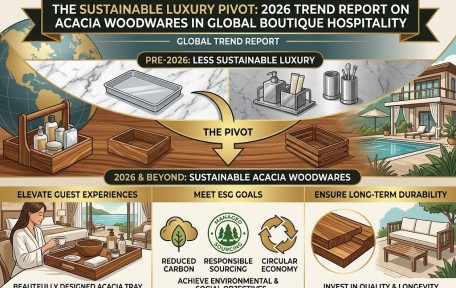
As global consumer consciousness shifts toward environmental responsibility, the international home decor and hospitality sectors are undergoing a profound transformation. Holiday celebrations, traditionally characterized by high waste and single-use plastics, are being reimagined through the lens of sustainability. This trend report examines how Acacia wood has emerged as the premier material for eco-friendly Christmas tablescapes. For global B2B buyers, interior designers, and retail category managers, integrating Acacia wood tableware and decor represents a strategic alignment with modern consumer demands. By marrying natural aesthetic warmth with rigorous ecological standards, Acacia wood products offer a highly durable, circular, and premium alternative to synthetic seasonal decorations.
THE CURRENT LANDSCAPE: A PARADIGM SHIFT IN HOLIDAY DECOR SOURCING
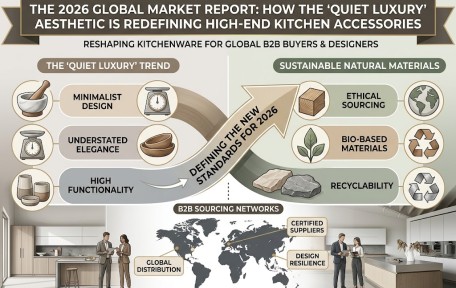
The global seasonal decor market is experiencing a significant structural shift. Historically, the winter holiday season has been a primary driver of temporary consumer waste, dominated by non-biodegradable materials, chemically treated MDF, and short-lifecycle plastics. However, recent consumer behavior studies indicate that over 70% of global consumers are actively seeking sustainable alternatives for their home styling, with a strong preference for natural materials. In the B2B sector, this consumer pull is reinforced by corporate ESG mandates. High-end hospitality venues, boutique hotels, and major home decor retail chains are actively auditing their supply chains to eliminate high-impact materials. The modern Christmas table is no longer just a display of luxury; it is a statement of ecological values. Consequently, procurement professionals are shifting their budgets away from disposable, single-use holiday items toward durable, heirloom-quality wooden tableware and accents that can be repurposed year-round.
KEY TRENDS: WHY ACACIA WOOD DOMINATES THE ECO-FRIENDLY TABLETOP SECTOR
Acacia wood has rapidly ascended to the top of the sustainable sourcing list, driven by its unique combination of botanical properties and aesthetic appeal.
1. Rapid Renewability and Low Carbon Footprint
Unlike slow-growing temperate hardwoods that require decades to mature, Acacia is a fast-growing, highly resilient species. It thrives in various soil types and requires minimal water, making it an exceptionally low-impact crop. When managed responsibly, Acacia plantations act as highly efficient carbon sinks, absorbing greenhouse gases throughout their rapid growth cycle. For B2B buyers, this rapid renewability translates to a stable, scalable, and secure supply chain that does not contribute to deforestation.
2. Superior Natural Durability and Food Safety
Tableware demands materials that can withstand moisture, heat, and frequent washing. Acacia wood is naturally dense and rich in natural oils, giving it inherent water-resistant and anti-bacterial properties. Unlike softwoods or low-grade engineered woods, Acacia does not warp, crack, or split easily under normal dining conditions. This structural integrity makes it ideal for charger plates, serving platters, salad bowls, and candleholders that must endure the rigors of both residential holiday feasts and commercial hospitality environments.
3. The Aesthetic of Warm Minimalism
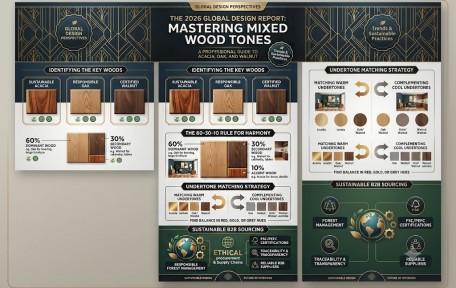
The design trend for Christmas tablescapes has shifted away from artificial glitter and glossy metallics toward 'warm minimalism' and 'forest-to-table' aesthetics. Acacia wood boasts a rich, contrasting grain pattern with warm amber, chocolate, and golden-brown tones. This natural variation ensures that every piece of tableware is unique, providing an organic, artisanal feel that elevates holiday tablescapes. Interior designers leverage this texture to create cozy, inviting, and high-end dining experiences that resonate with the modern luxury consumer.
FUTURE OUTLOOK: THE TRANSITION TO HEIRLOOM HOLIDAY DECOR AND CIRCULAR DESIGN
Looking toward the future of seasonal retail, the concept of single-use holiday decor is quickly becoming obsolete. The industry is moving toward 'heirloom decor'—products designed for longevity, multi-functionality, and ultimate circularity. Acacia wood is uniquely positioned to lead this transition. Future product design trends indicate a rise in cross-seasonal utility. An Acacia wood charger plate, for example, is no longer marketed solely as a Christmas item; it is designed to transition seamlessly into spring outdoor dining and autumn gatherings. Furthermore, the integration of mixed natural materials is gaining momentum. We anticipate seeing more designs that pair Acacia wood with hand-woven seagrass, water hyacinth, or rattan accents, creating highly textured, biodegradable table settings. As global circular economy regulations tighten, sourcing materials that can safely return to the earth or be easily repurposed will become a baseline requirement for international retail compliance.
Strategic Sourcing Recommendations for Global B2B Buyers
To capitalize on the growing demand for sustainable holiday decor, global buyers must adopt a strategic approach to procurement.
- Prioritize Certified Traceability: When sourcing Acacia wood products, ensure your manufacturing partner holds recognized certifications such as FSC (Forest Stewardship Council) to guarantee responsible forest management, alongside BSCI or SMETA audits to verify ethical labor practices. At Ngoc Dong Ha Nam, we combine these rigorous international compliance standards with decades of artisanal craftsmanship, offering fully certified, high-capacity OEM and ODM manufacturing.
- Optimize Your Procurement Timeline: Because high-quality, sustainably harvested wood requires precise drying and curing processes to prevent future warping, holiday sourcing should begin in the first and second quarters of the year.
- Focus on Versatile, Multi-functional Designs: Choose designs that offer year-round appeal to maximize retail margins, increase customer lifetime value, and minimize seasonal markdown risks.
FREQUENTLY ASKED QUESTIONS
Why is Acacia wood considered more sustainable than other hardwoods for holiday decor?
Acacia is a fast-growing, highly resilient species that matures much faster than traditional hardwoods like oak or maple. It requires minimal water and acts as an efficient carbon sink, providing a highly renewable and scalable material source that does not contribute to deforestation when managed responsibly.
How does Acacia wood tableware perform in terms of food safety and durability?
Acacia wood is naturally dense and rich in natural oils, giving it inherent water-resistant and antimicrobial properties. It resists warping, cracking, and staining, making it highly durable and completely food-safe for serving platters, salad bowls, and charger plates in both residential and commercial settings.
What certifications should global buyers look for when sourcing sustainable wooden tableware?
Buyers should prioritize manufacturers with FSC (Forest Stewardship Council) certification to ensure responsible forestry practices. Additionally, social compliance audits such as BSCI or SMETA are essential to verify ethical labor standards and safe working conditions within the factory.
What is the recommended procurement timeline for sourcing sustainable Christmas tableware?
To ensure adequate time for sustainable wood harvesting, precise kiln-drying (to prevent warping), artisanal crafting, and global shipping, B2B buyers should initiate their holiday sourcing and product development during Q1 and Q2 of the calendar year.