The Sustainable Kitchenware Revolution: B2B Trend Report on the Global Rise and Future of Acacia Cutting Boards
Key Takeaways
• Acacia wood has transitioned from a utility kitchen item to a high-margin, 'prep-to-table' design centerpiece driven by global B2B demand for sustainable luxury.• Superior physical properties, including natural water resistance, self-healing wood grain, and FSC-certified sustainability, position Acacia above traditional hardwoods and plastics.
• Global compliance standards like FSC, BSCI, and SMETA are now non-negotiable baselines for international buyers securing reliable manufacturing partners in Vietnam.
EXECUTIVE SUMMARY: THE RISE OF ACACIA IN THE GLOBAL SUSTAINABLE KITCHENWARE MARKET
The global kitchenware and home decor industries are undergoing a profound paradigm shift. Driven by a combination of conscious consumerism, strict environmental regulations, and a post-pandemic appreciation for organic home aesthetics, the demand for sustainable, high-durability kitchen essentials has reached an all-time high. The global cutting boards market, valued at $3.8 billion in 2025, is projected to reach $6.1 billion by 2034, with wood maintaining the dominant material share at over 36%. Within this expanding category, Acacia wood has emerged as the definitive frontrunner, evolving from a humble utilitarian tool into a high-margin design statement sought after by premium retailers, hospitality chains, and interior designers worldwide.
This comprehensive B2B trend report explores the evolution of the Acacia cutting board. It details how its unique physical properties, aesthetic versatility, and sustainable supply chain dynamics—particularly in manufacturing hubs like Vietnam—have redefined its value proposition. For global buyers, category managers, and private-label brands, understanding this evolution is not merely an academic exercise; it is a strategic necessity to capture market share, elevate brand perception, and build resilient, ethically compliant supply chains in 2026 and beyond.
THE CURRENT LANDSCAPE: WHY GLOBAL SOURCING IS PIVOTING TO ACACIA WOOD
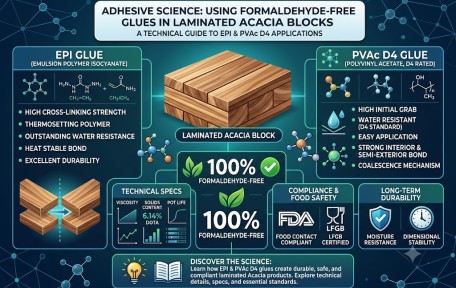
To understand the current dominance of Acacia, one must examine the physical and ecological limitations of its competitors. Traditionally, the market was divided between high-maintenance hardwoods like Maple and Walnut, cost-effective but structurally limited Bamboo, and non-biodegradable plastics. While plastic cutting boards are facing severe regulatory headwinds due to microplastic shedding and chemical leaching, Bamboo—though highly renewable—often suffers from warping, splitting, and a high dependency on urea-formaldehyde adhesives during manufacturing.
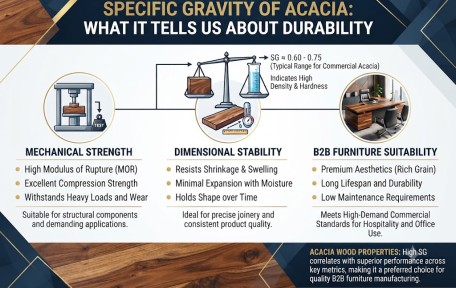
Acacia wood offers an optimal compromise, blending elite durability with unparalleled natural beauty. Boasting a Janka hardness rating that surpasses many traditional hardwoods, Acacia is exceptionally resilient to deep knife scarring while remaining gentle enough to preserve the edge of professional-grade culinary blades. Its high natural silica and oil content provides inherent water resistance, preventing the absorption of liquids and bacteria that lead to warping, cracking, and food safety hazards. This makes it highly sought after for both residential kitchens and commercial HORECA (Hotel, Restaurant, and Catering) environments.
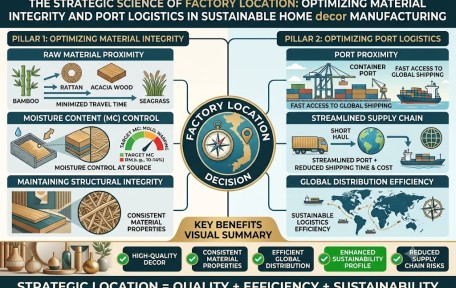
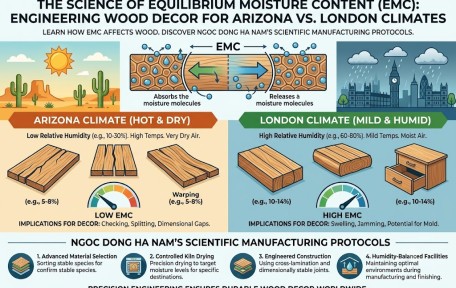
From a sourcing perspective, Vietnam has established itself as the global epicenter for premium Acacia manufacturing. Sourced from local, rapidly regenerating commercial plantations, Vietnamese Acacia represents a highly sustainable, carbon-sequestering resource. Leading manufacturers, such as Ngoc Dong Ha Nam, leverage this abundant local supply chain to offer competitive pricing, robust quality control, and shorter lead times compared to traditional European or North American hardwood suppliers. By utilizing advanced kiln-drying techniques to bring moisture content strictly below 12%, Vietnamese exporters ensure that every Acacia board can withstand diverse global climates without cracking or warping during transit.
KEY MARKET TRENDS: AESTHETIC INNOVATION, MULTI-FUNCTIONALITY, AND ETHICAL SOURCING
The evolution of the Acacia cutting board is characterized by three major trends shaping modern B2B procurement:
1. The 'Prep-to-Table' and Charcuterie Craze
Modern consumers no longer hide their cutting boards in cabinets. Instead, the 'Prep-to-Table' trend has elevated these items into functional centerpieces for social dining and food presentation. The rich, variegated grain patterns of Acacia—ranging from golden ambers to deep chocolate browns—provide a stunning backdrop for charcuterie, artisanal cheeses, and gourmet appetizers. B2B buyers are capitalizing on this by sourcing oversized boards, paddle designs, and hybrid material combinations, such as Acacia paired with premium white marble. This hybrid fusion blends the warm, rustic texture of wood with the cool, hygienic sophistication of polished stone, creating a highly marketable, luxury aesthetic that commands premium retail margins.
2. Ergonomic and Integrated Design Features
Functionality has been redefined through thoughtful engineering. High-performing Acacia boards now feature deep, integrated juice grooves to catch liquids, ergonomic side handles for effortless carrying, and non-slip silicone feet for stability. Furthermore, customization via precision laser engraving has become a vital branding asset for private-label retailers and corporate gifting markets, allowing brands to offer personalized heirloom-quality products.
3. The Non-Negotiable Baseline of Social and Environmental Compliance
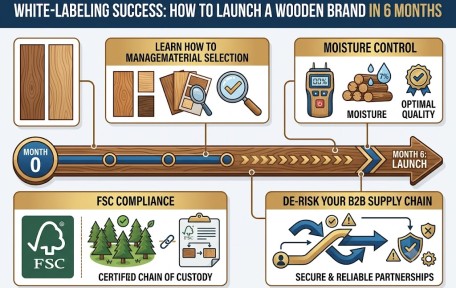
In the modern global marketplace, product quality is only half the equation. International retailers, particularly in North America and Europe, require absolute transparency and ethical compliance throughout their supply chains. Social audits such as amfori BSCI and Sedex SMETA, alongside environmental certifications like the Forest Stewardship Council (FSC), have transitioned from premium differentiators to mandatory baselines. Importers are actively bypassing uncertified factories to partner with established, audited manufacturers like Ngoc Dong Ha Nam, whose 12,000-square-meter facility in Duy Tien, Ha Nam Province, seamlessly combines state-of-the-art CNC machinery with traditional handcrafted finishing under strict international compliance standards.
FUTURE OUTLOOK: CIRCULAR ECONOMY AND SMART KITCHEN INTEGRATION BY 2027
Looking toward 2027, the evolution of the Acacia cutting board will be driven by the principles of the circular economy and multi-material synergy. As global legislation tightens around carbon footprints and deforestation, the demand for zero-waste manufacturing will intensify. Forward-thinking manufacturers are already developing circular product lines, utilizing Acacia wood offcuts from larger furniture production to create beautifully mosaic-patterned end-grain cutting boards, ensuring that no raw material goes to waste.
We also anticipate a rise in mixed-media collections that celebrate local craftsmanship. By integrating Acacia wood with traditional Vietnamese woven materials—such as rattan, seagrass, and water hyacinth accents—designers can curate cohesive, nature-inspired home decor collections. For example, an Acacia serving board paired with a hand-woven rattan cloche or a seagrass-lined storage caddy offers a compelling narrative of sustainable luxury that resonates deeply with modern, eco-conscious consumers. Additionally, the industry will see a complete transition toward 100% organic, solvent-free, and food-safe finishes, such as plant-based carnauba wax and pure beeswax, replacing synthetic oils to satisfy stringent FDA and European food contact safety regulations.
STRATEGIC RECOMMENDATIONS FOR GLOBAL B2B BUYERS AND RETAILERS
To navigate this evolving landscape and maximize profitability, global B2B buyers and category managers should implement the following strategic initiatives:
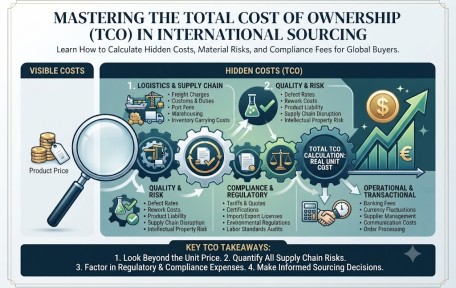
- Partner with Audited, Vertically Integrated Manufacturers: Mitigate supply chain risks and protect your brand reputation by sourcing exclusively from factories that hold valid FSC, BSCI, and SMETA certifications. Ngoc Dong Ha Nam provides the ideal combination of high-capacity industrial manufacturing (up to 40 containers per month) and strict adherence to international labor and environmental standards.
- Capitalize on Multi-Functional and Gift-Ready Designs: Diversify your product portfolio by offering Acacia boards designed for dual purposes—heavy-duty food preparation and elegant table service. Bundle these boards into curated gift sets (e.g., cheese board sets with matching Acacia-handled knives) to capture high-volume holiday and wedding registry markets.
- Leverage the Story of Vietnamese Craftsmanship: Today’s consumers buy stories, not just products. Highlight the sustainable origin of Vietnamese plantation Acacia and the artisanal heritage of Ha Nam’s master craftsmen to create a compelling marketing narrative that justifies premium retail pricing.
- Incorporate Material Fusion: Introduce hybrid collections—such as Acacia-marble combinations or wood-and-rattan serving sets—to differentiate your brand from competitors offering standard, single-material wooden boards.
FREQUENTLY ASKED QUESTIONS
Why is Acacia wood preferred over Bamboo or Maple for premium cutting boards?
Acacia wood offers a superior balance of hardness, natural water resistance, and rich aesthetic appeal. Unlike Bamboo, which can warp and requires extensive adhesives, Acacia is a dense hardwood that is gentle on knives, naturally hygienic, and showcases unique, luxurious grain patterns that double as elegant serving platters.
How does Ngoc Dong Ha Nam ensure the sustainability of its Acacia products?
Ngoc Dong Ha Nam sources its Acacia exclusively from responsibly managed, fast-growing local plantations in Vietnam. Our supply chain is certified by the Forest Stewardship Council (FSC), ensuring that every cutting board supports responsible forestry practices and contributes to carbon sequestration.
What certifications should global buyers look for when importing Acacia kitchenware?
Global buyers should prioritize manufacturers with international social and environmental certifications, specifically FSC for sustainable wood sourcing, amfori BSCI, and Sedex SMETA for ethical labor and safe working conditions. These audits ensure compliance with strict European and North American retail requirements.
What is the standard moisture content for export-quality Acacia cutting boards?
Export-quality Acacia cutting boards must undergo strict kiln-drying processes to maintain a moisture content below 12%. This precise level prevents the wood from warping, cracking, or developing mold during long-distance maritime transit and across diverse global climates.