The Sustainable Luxury Pivot: 2026 Trend Report on Acacia Woodwares in Global Boutique Hospitality
Key Takeaways
• Acacia woodwares offer superior durability for luxury hotels, featuring a Janka hardness rating of 1,750 lbf, which outperforms traditional hardwoods like Teak and Oak in high-traffic environments.• Boutique resorts are replacing synthetic materials with natural Acacia wood to meet global ESG mandates, reduce plastic waste, and align with the growing consumer demand for biophilic interior design.
• To prevent warping and cracking in diverse climates, hospitality-grade Acacia wood must undergo precise kiln-drying to achieve a moisture content of 8% to 12% before manufacturing.
• Ethical sourcing compliance, verified by international certifications like FSC, BSCI, and SMETA, is now a mandatory requirement for global hotel procurement departments sourcing wooden homewares.
EXECUTIVE SUMMARY: THE RISE OF BIOPHILIC LUXURY IN BOUTIQUE HOSPITALITY
The global luxury hospitality sector is undergoing a profound structural transformation. In 2026, the definition of luxury has moved away from cold, ostentatious, and synthetic elements, shifting instead toward authenticity, biophilic design, and ecological mindfulness. Modern travelers, particularly those frequenting high-end boutique resorts, are no longer satisfied with superficial opulence. They seek sensory, grounded experiences that connect them to the local environment and culture. This trend has placed natural materials at the very center of contemporary resort architecture and interior styling. Among these materials, Acacia wood has emerged as a dominant force, transforming how boutique resorts curate their guestrooms, spas, and dining spaces.
This comprehensive trend report explores the rapid adoption of natural Acacia woodwares in the luxury hospitality market. From custom vanity trays and tissue boxes to elegant tabletop serving boards and waste baskets, Acacia wood offers an unparalleled combination of organic beauty, rugged durability, and environmental sustainability. As boutique resorts strive to meet ambitious Environmental, Social, and Governance (ESG) targets and satisfy the demands of eco-conscious travelers, the transition from synthetic plastics and low-grade veneers to solid, certified Acacia wood has become a strategic priority. This report analyzes the market forces, material science, and design trends driving this pivot, providing global procurement directors and interior designers with the insights needed to navigate this sustainable luxury evolution.
As a pioneer in sustainable Vietnamese handicraft manufacturing with over three decades of export experience, Ngoc Dong Ha Nam is uniquely positioned to observe and facilitate this shift. By combining traditional Vietnamese craftsmanship with state-of-the-art manufacturing technologies and rigorous international certifications, we help the world's leading hospitality brands translate their sustainability visions into tangible, high-quality guest experiences. This report serves as a strategic roadmap for hospitality professionals looking to elevate their brand equity, optimize their supply chains, and embrace the future of regenerative luxury.
THE CURRENT LANDSCAPE: MOVING BEYOND PLASTICS AND VENEERS
The operational environment of a luxury boutique resort is exceptionally demanding. Guestroom amenities and tabletop accessories are subjected to constant handling, high-frequency cleaning with aggressive sanitizing agents, and exposure to diverse microclimates—ranging from the high humidity of tropical seaside villas to the dry, artificially heated air of alpine retreats. In this demanding context, traditional materials like cheap plastics, melamine, and low-grade wood veneers are failing both operationally and aesthetically. Veneers frequently delaminate, crack, and warp when exposed to moisture and temperature fluctuations, while plastics and melamine scratch easily, lose their luster, and fail to convey the premium tactile sensation expected in a five-star environment.
Furthermore, the hospitality industry is facing unprecedented regulatory and consumer pressure to eliminate non-biodegradable materials. The global 'plastic-free guestroom' movement is no longer a niche initiative; it is a baseline expectation. Major international hotel groups and independent boutique collections alike have pledged to eliminate single-use and non-recyclable plastics from their operations. Concurrently, consumers are increasingly voting with their wallets. Recent global travel surveys indicate that over 80% of luxury travelers prefer accommodations that actively demonstrate a commitment to environmental stewardship. In this climate, visible sustainability—where guests can see, touch, and interact with natural, responsibly sourced materials—has become a powerful tool for brand differentiation.
This has led to a fundamental re-evaluation of procurement strategies. Forward-thinking hospitality brands are moving away from a transactional, low-cost purchasing model toward a value-driven, lifecycle-oriented approach. Procurement directors are realizing that while synthetic or low-grade materials may offer a lower initial purchase price, their rapid degradation leads to high replacement rates, elevated waste, and a higher Total Cost of Ownership (TCO). By transitioning to solid, durable hardwoods like Acacia, resorts can drastically reduce their replacement cycles, minimize waste, and present a cohesive, high-end aesthetic that aligns perfectly with their guests' ecological values.
KEY TRENDS: WHY ACACIA WOOD IS DOMINATING HIGH-END HOSPITALITY DESIGN
Biophilic Design and the Sensory Guest Experience
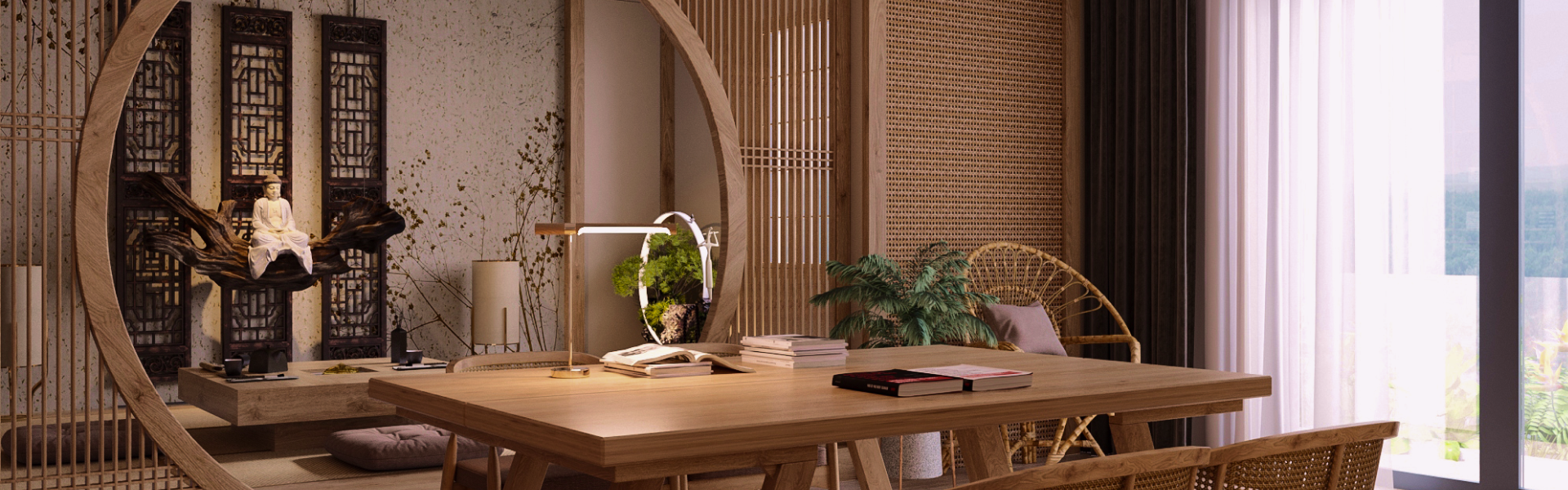
One of the most significant design movements of the decade is biophilic design—the practice of connecting building occupants more closely to nature through the use of natural materials, lighting, and vegetation. Acacia wood, with its rich, contrasting grain patterns, warm amber and deep chocolate tones, and tactile depth, plays a vital role in this movement. When a guest enters a resort suite and interacts with a hand-carved Acacia amenity tray, a solid wood tissue holder, or a beautifully textured vanity set, it immediately triggers a positive psychological and sensory connection. Unlike cold metals or sterile plastics, Acacia wood possesses a natural warmth and unique grain structure that makes every single piece a distinct work of art, enhancing the sense of exclusivity and personalized luxury that defines the boutique resort experience.
Unrivaled Structural Durability and Natural Resilience
From a material science perspective, Acacia wood (specifically species like Acacia mangium, which are sustainably grown in Vietnam) is uniquely suited for the rigors of hospitality environments. On the Janka hardness scale, Acacia boasts a rating of approximately 1,750 lbf (pounds-force). This makes it significantly harder than traditional hardwoods like White Oak (1,360 lbf), Hard Maple (1,450 lbf), and even Teak (1,150 lbf). This exceptional hardness translates to superior resistance to scratches, dents, and surface wear, ensuring that woodwares maintain their pristine appearance even after years of heavy commercial use. Furthermore, Acacia wood possesses a high natural oil and silica content, giving it inherent water-resistant and antimicrobial properties. This makes it highly resistant to rot, mold, and warping, rendering it the ideal material for high-humidity areas such as resort bathrooms, luxury spas, and outdoor poolside dining decks.
Bespoke Craftsmanship and Brand Identity
Boutique hospitality thrives on storytelling and uniqueness. Mass-produced, uniform items are antithetical to the boutique ethos. Today's luxury resorts seek custom-designed, bespoke woodwares that reflect their specific brand identity and interior design narrative. To achieve this, design firms and procurement groups are partnering with specialized manufacturers like Ngoc Dong Ha Nam who offer comprehensive OEM and ODM services. Vietnamese artisans, renowned for their generational woodworking skills, hand-finish each Acacia piece, allowing for intricate details, custom shapes, and unique finishes. Whether it is a minimalist, matte-finished amenity box for a Scandinavian-style eco-lodge or a rich, dark-stained, polished serving platter for a tropical heritage resort, custom Acacia woodwares allow hotels to weave a consistent, high-quality design narrative throughout their property.
THE IMPERATIVE OF VERIFIABLE COMPLIANCE (FSC, BSCI, SMETA)
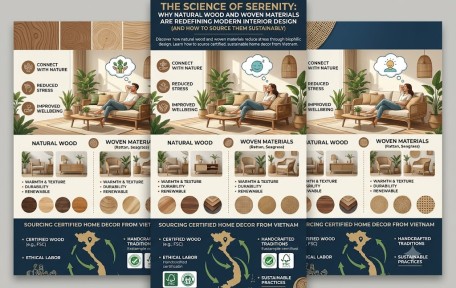
In the modern B2B procurement landscape, aesthetic appeal and durability are no longer sufficient; supply chain transparency and ethical compliance are non-negotiable. Global hotel brands and design firms must protect their brand equity by ensuring that all wooden products are sourced from responsibly managed forests and manufactured under fair, safe labor conditions. This has driven a major trend toward sourcing from manufacturers who hold recognized international certifications. Acacia wood is highly favored in this regard because it is primarily grown in sustainably managed plantations in Vietnam rather than harvested from natural, old-growth forests. By partnering with a manufacturer like Ngoc Dong Ha Nam—whose facilities are fully certified by the Forest Stewardship Council (FSC) and regularly audited under Business Social Compliance Initiative (BSCI) and Sedex Members Ethical Trade Audit (SMETA) standards—procurement managers can confidently guarantee to their stakeholders and guests that their luxury woodwares are 100% ethical and sustainable.
FUTURE OUTLOOK: CIRCULARITY, CARBON NEUTRALITY, AND THE NEXT GENERATION OF WOODWARES
As we look toward the future of luxury hospitality, the industry's sustainability goals will transition from simple damage mitigation (such as reducing plastics) to active ecological regeneration. The future guestroom will be designed as a circular, zero-waste micro-environment where every material is selected for its carbon-sequestration capabilities and circular lifecycle. Acacia wood, as a fast-growing and highly renewable hardwood, will play a central role in this evolution. Unlike slow-growing hardwoods that take up to a century to mature, Acacia trees reach commercial maturity in just 7 to 10 years, making them an incredibly efficient carbon sink. The cultivation of Acacia in Vietnam also plays a vital role in local ecosystem restoration, preventing soil erosion on hilly terrains and supporting rural agricultural economies.
Furthermore, the impending enforcement of strict global regulations, such as the European Union Deforestation Regulation (EUDR), will mandate complete traceability for all wood products imported into major markets. Hospitality brands will be required to map their wooden amenities back to the exact geographic coordinates of the plantation where the timber was grown. This regulatory shift will accelerate the decline of uncertified, shadowy supply chains and solidify the position of transparent, vertically integrated manufacturers. The next generation of Acacia woodwares will feature complete digital traceability, allowing guests to scan a discreet QR code on an amenity tray to learn about the sustainable forest it came from and the Vietnamese artisans who crafted it.
We also anticipate a major design trend involving the fusion of Acacia wood with other natural, rapidly renewable fibers. Designers are increasingly combining solid Acacia structural frames with hand-woven panels made of rattan, seagrass, and water hyacinth. This multi-textured, hybrid approach not only creates a stunning, multi-sensory aesthetic that epitomizes contemporary organic luxury but also diversifies the income streams of rural artisan communities in Vietnam. By blending these diverse natural materials, boutique resorts can create truly unique, story-rich environments that celebrate the very best of nature and human craftsmanship.
STRATEGIC RECOMMENDATIONS FOR GLOBAL PROCUREMENT DIRECTORS AND INTERIOR DESIGNERS
For hospitality procurement professionals and interior designers looking to successfully transition to sustainable natural woodwares, we offer the following strategic recommendations:
- Prioritize Certified and Audited Manufacturers: Never compromise on supply chain integrity. Only partner with manufacturers who can provide active, verifiable FSC certificates for their timber and recent, clean BSCI or SMETA audit reports for their factories. This ensures compliance with international trade laws and protects your brand from greenwashing accusations.
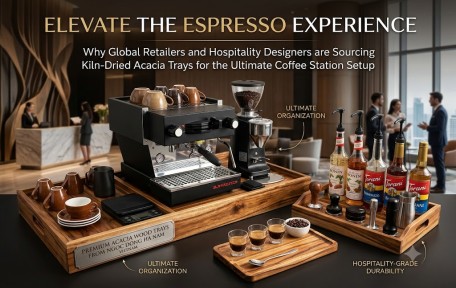
- Insist on Rigorous Technical Specifications: To prevent warping, cracking, or splitting in diverse resort climates, specify that all Acacia woodwares must undergo professional kiln-drying to achieve a precise moisture content of 8% to 12% before manufacturing. Furthermore, ensure that all coatings, sealants, and adhesives used are non-toxic, food-safe, and water-resistant, complying with FDA and LFGB standards for hospitality use.
- Leverage the Power of Co-Design and Prototyping: Do not rely on off-the-shelf products. Work closely with your manufacturer's in-house R&D team to develop custom prototypes that match your resort's exact aesthetic, functional, and operational requirements. At Ngoc Dong Ha Nam, we collaborate directly with design teams to engineer bespoke woodwares that are not only beautiful but also optimized for easy cleaning and high-volume housekeeping operations.
- Adopt a Total Cost of Ownership (TCO) Mindset: When evaluating budgets, look beyond the initial purchase price. Solid Acacia woodwares represent a long-term investment that far outperforms cheap synthetic alternatives over a 3-to-5-year hospitality cycle. Because solid wood can be easily sanded, re-oiled, and refurbished by maintenance staff, its operational lifespan is virtually unlimited, delivering a much higher return on investment and a significantly lower environmental footprint.
By choosing sustainably sourced, meticulously crafted Acacia woodwares from Ngoc Dong Ha Nam, luxury boutique resorts can seamlessly merge ecological responsibility with world-class design, creating unforgettable, sensory-rich experiences that resonate deeply with the modern, conscious traveler.
FREQUENTLY ASKED QUESTIONS
Why is Acacia wood preferred over Teak or Oak for boutique hotel amenities?
Acacia wood is highly preferred due to its superior Janka hardness rating of 1,750 lbf, which makes it significantly more scratch-resistant and durable in high-traffic environments than Teak (1,150 lbf) or Oak (1,360 lbf). Additionally, Acacia features a beautiful, highly contrasting grain pattern that elevates biophilic luxury aesthetics, and it is a faster-growing, more cost-effective, and highly sustainable plantation hardwood.
How does Ngoc Dong Ha Nam prevent Acacia wood from cracking or warping in dry or highly humid climates?
We utilize advanced, computer-controlled kiln-drying chambers to stabilize the moisture content of the timber to a precise 8% to 12% range, tailored to the destination climate of the resort. This process, combined with the application of high-quality, water-resistant, non-toxic sealants, ensures that our woodwares remain structurally stable in both dry alpine settings and highly humid tropical environments.
Are your Acacia wood products certified for global hospitality standards?
Yes, all our products are manufactured in facilities that are fully compliant with FSC, BSCI, and SMETA standards. This ensures that the timber is sourced from responsibly managed plantations and that our products are crafted under fair, safe, and ethical labor conditions, meeting the stringent ESG requirements of international hotel brands.
Can we customize the dimensions, shapes, and finishes of Acacia woodwares for our resort?
Absolutely. Ngoc Dong Ha Nam specializes in B2B OEM and ODM services. We work closely with hospitality design firms and procurement managers to create bespoke woodwares tailored to your exact dimensions, shapes, branding requirements, and finish specifications, including food-safe, water-resistant, and matte or glossy protective coatings.