The Rise of the Earthy Kitchen: Global Market Trends and the Sourcing Outlook for Wooden Bowls
Key Takeaways
•The global shift toward biophilic kitchen design is driving rapid growth in the wooden tableware market, which is projected to reach $8.6 billion by 2034.•Acacia and Bamboo are the leading material choices for premium wooden bowls due to their natural water resistance, durability, and highly renewable lifecycles.
•B2B buyers can mitigate regulatory and ethical risks by partnering with manufacturers certified under FSC, BSCI, and SMETA standards.
•Integrating mixed materials, such as combining wood with woven rattan or seagrass accents, enhances product premiumization and increases average retail order value.
EXECUTIVE SUMMARY: THE BIOPHILIC SHIFT IN GLOBAL KITCHENWARE SOURCING
In 2026, the global home decor and kitchenware markets are undergoing a profound structural shift. Sterile, clinical aesthetics dominated by cold metals and synthetic laminates are rapidly giving way to warm, grounding spaces. Driven by a universal consumer desire for wellness, comfort, and environmental responsibility, the 'Earthy Kitchen' has transitioned from a niche design movement to a dominant commercial trend. At the center of this evolution is the rising demand for premium wooden bowls—specifically those crafted from highly durable, sustainable hardwoods like Acacia and renewable species like Bamboo.
For global B2B buyers, retailers, and interior designers, understanding this shift is no longer optional; it represents a significant commercial opportunity. This report analyzes the macroeconomic drivers, design trends, and material innovations shaping the wooden tableware market, which is projected to reach $8.6 billion by 2034 with a steady CAGR of 6.7%. By aligning procurement strategies with these biophilic demands, brand owners can secure high-margin product lines that resonate with the modern, eco-conscious consumer.
CURRENT LANDSCAPE: THE RISE OF WARM MINIMALISM AND TACTILE LIVING
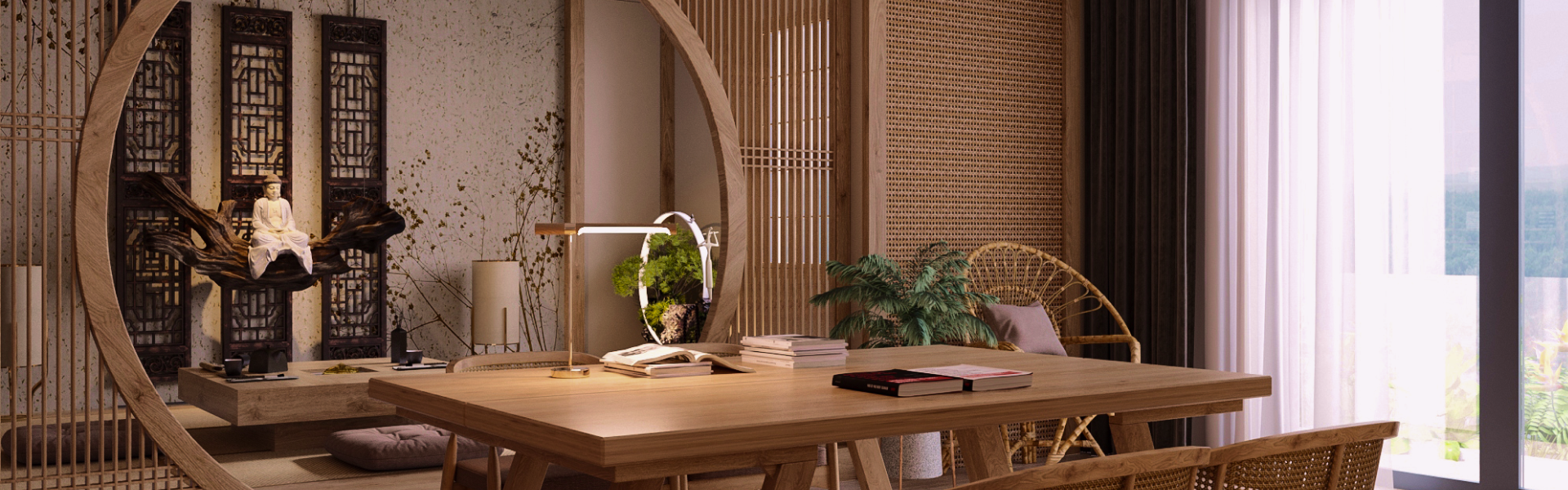
The contemporary kitchen is no longer just a functional zone for food preparation; it has evolved into a lifestyle sanctuary, an open-concept social hub, and a key design focal point within the modern home. In 2026, interior design palettes are moving resolutely away from stark whites and cool grays, embracing instead earth-led tones such as taupe, clay, mushroom, and warm ochre. This shift toward 'warm minimalism' has created an urgent need for tactile, grounding materials that bring the outdoors in.
The Human-Nature Connection (Biophilic Design)
Biophilic design principles are driving the premiumization of everyday dining experiences. Consumers seek a physical, tactile connection to nature during their daily routines, making the organic texture of natural wood grain highly desirable. Handcrafted wooden bowls provide a soft, sensory contrast to the hard, engineered surfaces of quartz countertops and stainless steel appliances.
The Demand for Sustainable Transparency
In addition to aesthetic warmth, modern consumers demand ethical supply chains. Sourcing wooden kitchenware is no longer just about aesthetics; it is about verifying the origin of the timber. B2B buyers must navigate a strict regulatory environment where certifications like the Forest Stewardship Council (FSC), BSCI (Business Social Compliance Initiative), and SMETA (Sedex Members Ethical Trade Audit) are baseline requirements for market entry, particularly in North America and Europe.
KEY TRENDS: MATERIAL EXCELLENCE AND AESTHETIC VERSATILITY IN WOODEN TABLEWARE
The wooden tableware market is experiencing rapid innovation as manufacturers merge traditional artisan craftsmanship with advanced, food-safe production technologies. To capture high-value market segments, B2B brands are focusing on specific material choices and versatile designs:
1. Acacia Wood: The Premium Hardwood Standard
Acacia has emerged as a top-tier material for high-end salad bowls, serving platters, and decorative centerpieces. Its dense grain, rich contrasting color bands, and natural oil content offer superior water and moisture resistance. This innate durability reduces the risk of warping, cracking, or bacterial growth, making Acacia bowls highly practical for daily commercial and residential use.
2. Bamboo: The Ultra-Renewable Alternative
Growing up to 36 inches per day, bamboo remains one of the most eco-friendly raw materials on Earth. Modern bamboo kitchenware has evolved from simple utilitarian tools to elegant, minimalist bowls that appeal to Scandinavian and Japanese design aesthetics. Bamboo’s natural antibacterial properties and lightweight durability make it an excellent choice for family-friendly and high-volume dining environments.
3. Mixed-Material Integrations
A significant trend in 2026 is the blending of natural wood with other organic textures. Wooden bowls accented with hand-woven seagrass, rattan rims, or delicate glass inserts are highly sought after by boutique hospitality brands and high-end retailers. These hybrid designs highlight the artisan heritage of manufacturing hubs like Vietnam, where traditional weaving techniques are seamlessly integrated with precision woodworking.
FUTURE OUTLOOK: MARKET PROJECTIONS AND REGULATORY DRIVERS
The long-term outlook for the wooden tableware industry is exceptionally strong. As global governments enforce stricter bans on single-use plastics and non-biodegradable food containers, the commercial sector—including restaurants, eco-resorts, and catering services—is rapidly transitioning to reusable wooden alternatives. This transition is driving steady, compounding market growth.
Furthermore, online retail channels continue to reward visually striking, photogenic materials. The natural, unique grain patterns of wooden bowls make them highly marketable on visual-first e-commerce platforms. Brands that offer customizable, private-label wooden collections can expect robust customer engagement and lower return rates compared to fragile ceramic or glass alternatives. The future of kitchenware belongs to products that combine aesthetic longevity, functional durability, and absolute circularity.
STRATEGIC RECOMMENDATIONS: SOURCING EXCELLENCE FOR GLOBAL B2B BUYERS
To capitalize on the 'Earthy Kitchen' movement and mitigate supply chain risks, global buyers and interior designers should implement the following strategic sourcing practices:
- Partner with Certified Manufacturers: Ensure your manufacturing partners hold verified international certifications. Working with suppliers like Ngoc Dong Ha Nam in Vietnam—which adheres to strict FSC, BSCI, and SMETA standards—guarantees that your products are ethically produced, legally sourced, and compliant with global customs regulations.
- Emphasize Multi-Material Collections: Diversify your product portfolio by offering cohesive sets that combine wooden bowls with complementary natural materials, such as rattan-trimmed serving trays or seagrass-wrapped salad servers. This increases the average order value and enhances visual appeal on retail shelves.
- Leverage OEM/ODM Capabilities: Collaborate with manufacturers that offer robust OEM/ODM services. Customizing grain selections, food-safe finishes, and laser-engraved branding allows you to build a unique, private-label collection that stands out in a competitive market.
- Prioritize Durability and Food Safety: Ensure all wooden bowls are treated with non-toxic, food-grade mineral oils or natural lacquers that meet FDA and European food-contact safety standards. Durable products build long-term brand trust and reduce product liability.
FREQUENTLY ASKED QUESTIONS
Are wooden bowls safe for serving hot food?
Yes, high-quality wooden bowls made from dense hardwoods like Acacia are safe for serving warm foods like salads, pasta, and side dishes. However, they should not be used in microwaves or ovens, and boiling liquids should be avoided to prevent warping.
How do B2B buyers verify the sustainability of wooden tableware?
Buyers should request verified Forest Stewardship Council (FSC) certification from the manufacturer to ensure the wood is sourced from responsibly managed forests. Social compliance audits like BSCI and SMETA further verify ethical labor practices.
What are the care instructions for commercial-grade wooden bowls?
Wooden bowls should be hand-washed with mild soap and warm water, then dried immediately. They should never be soaked or washed in a dishwasher. Periodically applying food-grade mineral oil helps maintain the wood's luster and prevents cracking.
Why is Vietnam a preferred sourcing destination for wooden kitchenware?
Vietnam combines abundant natural resources like Acacia and Bamboo with highly skilled artisan craftsmanship and advanced manufacturing infrastructure. Vertically integrated factories like Ngoc Dong Ha Nam offer competitive pricing, strict quality control, and international certifications.