
The Anatomy of Trust: Why Retail Giants Like Target and Costco Mandate Factory Audits
Key Takeaways
- •Major retailers require factory audits to mitigate severe supply chain risks, ensure ethical labor practices, and protect global brand reputation.
- •Social compliance frameworks like BSCI and SMETA rigorously verify safe working conditions, fair wages, and the absence of forced labor in manufacturing facilities.
- •FSC certification guarantees that natural home decor materials, such as acacia wood and bamboo, are harvested from responsibly managed, sustainable forests.
- •Partnering with fully audited factories allows global buyers to confidently market their products as ethically made, commanding a premium in the eco-conscious home decor market.
THE HIDDEN BACKBONE OF GLOBAL RETAIL: BEYOND THE AESTHETIC
Imagine a beautifully woven seagrass basket resting on a pristine shelf at Target, or a meticulously crafted acacia wood dining set featured in a Costco warehouse. As an interior designer or global buyer, your eye naturally gravitates toward the craftsmanship, the organic texture, and the trend-forward silhouette. But what you do not see is the rigorous, invisible infrastructure that brought these products to market.
In today's hyper-connected global economy, a beautiful product is no longer enough. The modern consumer demands absolute transparency, and retail titans have responded accordingly. The era of blind sourcing is officially over. Today, the foundation of any successful B2B home decor partnership is built on a non-negotiable requirement: the factory audit.
A single viral social media post exposing poor working conditions, or a container rejected at customs due to illegal timber, can destroy a brand's reputation overnight. But why exactly do the world's largest retailers insist on these exhaustive, costly evaluations, and how does this mandate directly impact your own sourcing strategy? Understanding this shift is the vital first step in future-proofing your supply chain.
DECODING THE MANDATE: WHY RETAILERS DEMAND TOTAL SUPPLY TRANSPARENCY
To deeply understand the 'why' behind factory audits, we must first look at the immense complexities and inherent risks associated with global supply chains. When a major retailer like Costco places an order for 100,000 rattan chairs or bamboo lanterns, they are not just buying inventory; they are inextricably attaching their brand equity to the manufacturing practices of a facility halfway across the world.
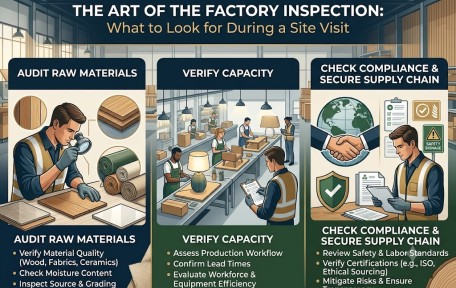
Factory audits serve as a critical risk mitigation tool across three primary pillars: Social Compliance, Environmental Stewardship, and Quality Assurance.
- Social Compliance: This is often the most heavily scrutinized aspect. Retailers require internationally recognized frameworks like BSCI (Business Social Compliance Initiative) and SMETA (Sedex Members Ethical Trade Audit). Auditors conduct confidential worker interviews, review payroll records, and inspect fire safety systems to guarantee that the artisans weaving your water hyacinth baskets are working in safe conditions, receiving fair living wages, and operating entirely free from forced or child labor.
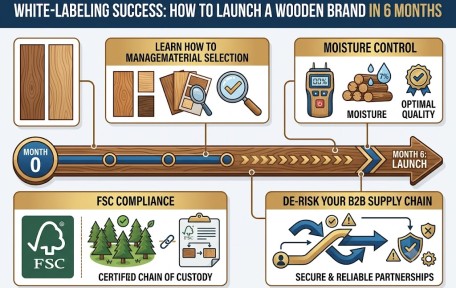
- Environmental Stewardship: In the natural materials sector, environmental compliance is paramount. This is where certifications like FSC (Forest Stewardship Council) become indispensable. An FSC certification ensures that the acacia wood or bamboo used in your designs is harvested from responsibly managed forests, preventing illegal deforestation and preserving local biodiversity.
- Quality Assurance: Quality management audits ensure that the factory possesses the robust systems necessary to deliver consistent, defect-free products at scale, minimizing returns and protecting the retailer's bottom line.
THE COMPETITIVE ADVANTAGE OF CERTIFIED SUPPLY CHAINS IN HOME DÉCOR
While it is easy for some to view factory audits as a bureaucratic hurdle or a barrier to entry, visionary buyers and interior designers recognize them as a distinct, powerful competitive advantage. When you source from a fully audited and certified factory, you are not merely avoiding risk; you are unlocking premium market positioning.
Consider the modern homeowner. They are increasingly eco-conscious, heavily researching the origins of their decor and demanding verifiable sustainability. When you can confidently market a beautifully designed bamboo mirror or a hand-woven rattan lounge chair as sustainably sourced and ethically manufactured, you significantly elevate its perceived value and justify a premium price point.
The 'Sleep-At-Night' Security
Partnering with a facility that holds BSCI, SMETA, and FSC credentials grants you absolute peace of mind. You are completely shielded from the PR disasters and legal liabilities that plague brands caught in supply chain scandals. Furthermore, audited factories are inherently more efficient, resilient, and reliable. The rigorous processes required to pass a Target or Costco audit mean that the factory has optimized its production lines, stabilized its workforce through fair treatment, and refined its quality control mechanisms.
At Ngoc Dong Ha Nam, we have fully embraced these stringent international standards. We do not pursue compliance merely because buyers demand it; we do so because it perfectly aligns with our core philosophy of sustainable, ethical craftsmanship. We understand that our certifications are the ultimate bridge of trust between our skilled artisans in Vietnam and your prestigious showrooms around the globe.
SECURE YOUR NEXT BESTSELLING COLLECTION WITH CONFIDENCE
The home decor landscape is evolving rapidly, and the brands that will dominate the future are those that seamlessly blend aesthetic brilliance with unwavering ethical integrity. Do not leave your brand's reputation to chance by partnering with unverified, non-compliant suppliers.
Whether you are developing a massive new line of woven seagrass planters for a national retail rollout or sourcing elegant, bespoke rattan furniture for a boutique hotel project, you must demand the exact same level of transparency that the retail giants do. Align your brand with a manufacturing partner that has already done the heavy lifting of compliance, continuous improvement, and certification.
At Ngoc Dong Ha Nam, we proudly combine decades of traditional Vietnamese weaving heritage with world-class, fully audited manufacturing capabilities. We hold the critical certifications that meet and exceed the exacting standards of global retail leaders. Are you ready to elevate your sourcing strategy, mitigate your supply chain risks, and build a resilient, sustainable product line? Contact our expert B2B team today to request our latest compliance reports, schedule a virtual factory tour, and explore our extensive catalog of ethically crafted natural home decor.
Frequently Asked Questions
What is a factory audit in the home decor supply chain?
A factory audit is a comprehensive, independent evaluation of a manufacturing facility's processes, labor conditions, and environmental practices to ensure strict compliance with international standards like BSCI, SMETA, or ISO.
Why do major retailers like Target and Costco require SMETA or BSCI audits?
Retailers require social compliance audits to protect their brand reputation, ensure ethical sourcing, mitigate legal risks, and definitively prevent human rights violations such as forced or child labor within their global supply chains.
How does FSC certification impact the sourcing of natural decor materials?
FSC (Forest Stewardship Council) certification ensures that wood and non-timber forest products, such as acacia, bamboo, and rattan, are sourced sustainably. This preserves biodiversity, prevents illegal deforestation, and supports the economic viability of local communities.
Can partnering with an audited factory improve my brand's market positioning?
Yes. Sourcing from audited factories allows brands to confidently and legally market their products as ethically and sustainably made. This verifiable transparency strongly appeals to modern, eco-conscious consumers and justifies premium pricing.