
Cracking the European Market: The Ultimate Guide to LFGB Compliance for Sustainable Food-Contact Homeware
Key Takeaways
- •LFGB is Germany's stringent food and feed code, representing the highest safety standard for food-contact materials in the European market.
- •Products must pass rigorous sensory and chemical migration tests to ensure no harmful substances transfer to food or alter its taste and odor.
- •Natural materials like bamboo and acacia require specialized, non-toxic finishing processes to meet LFGB standards without compromising their eco-friendly integrity.
- •Partnering with a certified manufacturer holding FSC, BSCI, and SMETA credentials ensures seamless LFGB compliance and protects your brand reputation.
- •Achieving LFGB compliance unlocks the premium European homeware sector, offering a distinct competitive advantage for B2B buyers and interior designers.
The Gateway to Europe's Premium Market: Why Food-Contact Safety is Non-Negotiable
As the global appetite for sustainable living reaches unprecedented heights, European consumers are demanding more than just aesthetic appeal from their homeware. They demand absolute safety, environmental responsibility, and uncompromising quality. For global B2B buyers, procurement managers, and interior designers, the European market represents a lucrative but highly regulated landscape. The intersection of natural, rustic design and clinical-grade safety is where many supply chains falter. If you are importing kitchenware, dining accessories, or any product that comes into contact with food, understanding and adhering to strict European safety regulations is not just a legal obligation; it is the cornerstone of your brand's reputation and long-term success.
While the European Union has established baseline regulations for food-contact materials (FCM) under EC 1935/2004, seasoned importers know that the true gold standard lies within Germany. The German market, known for its uncompromising quality control and consumer protection laws, has established a framework that goes above and beyond standard EU directives. This framework is the critical barrier to entry for premium homeware brands. Navigating this complex regulatory environment requires a deep understanding of material science, chemical migration, and sustainable manufacturing processes.
In an era where product recalls can instantly destroy years of brand equity, proactive compliance is your strongest asset. Buyers can no longer afford to rely on superficial safety claims. The modern supply chain demands radical transparency, rigorous laboratory testing, and a commitment to ethical sourcing. By mastering the nuances of Germany's stringent requirements, you not only secure access to the largest economy in Europe but also elevate your product offerings to a level of universally recognized safety and prestige. This guide will illuminate the path to achieving flawless compliance while maintaining the authentic, organic beauty of natural materials.
Decoding LFGB: Germany's Gold Standard for Food-Contact Materials
Enter the LFGB (Lebensmittel-, Bedarfsgegenstände- und Futtermittelgesetzbuch), Germany's comprehensive Food and Feed Code. Sections 30 and 31 of the LFGB specifically address food-contact materials, dictating that products must not transfer their constituents to food in quantities that could endanger human health, bring about an unacceptable change in the composition of the food, or deteriorate its organoleptic characteristics (taste and odor). When a product passes these stringent tests, it is awarded the highly coveted 'Knife and Fork' symbol, a universal emblem of safety and quality that resonates deeply with European consumers and retailers alike.
What makes LFGB significantly more challenging to pass than standard FDA or baseline EU regulations? The answer lies in its rigorous testing protocols. LFGB compliance is not a simple checklist; it is an exhaustive scientific evaluation. The testing encompasses three main pillars: Sensory Testing, Overall Migration (OM), and Specific Migration (SM). The Sensory Test is particularly notorious among manufacturers of natural products. It ensures that the material does not impart any foreign smell or taste to the food it touches. For materials like bamboo, acacia, and rattan, which possess natural aromas and require protective finishes, passing the sensory test requires absolute mastery over the curing and sealing processes.
The Complexities of Chemical Migration
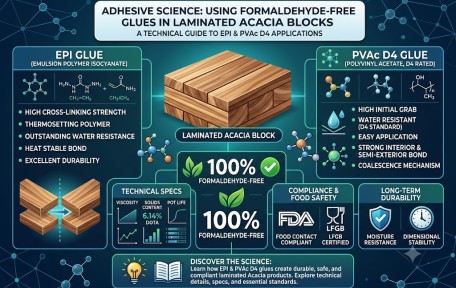
Beyond sensory evaluation, the migration tests are where many uncertified products fail. Overall Migration tests measure the total amount of non-volatile substances transferred from the product to a food simulant under extreme temperatures and durations. Specific Migration tests drill down into individual chemicals. For natural wood and bamboo products, this means rigorous testing for formaldehyde, pentachlorophenol (PCP), heavy metals (like lead and cadmium), and specific plasticizers if any synthetic bindings or glues are used in the assembly. Germany continually updates its limits based on the latest toxicological research, making LFGB a dynamic and ever-evolving standard.
The Challenge for Natural Materials
For B2B buyers sourcing eco-friendly homeware, the challenge is twofold. You desire the raw, organic aesthetic of materials like Acacia wood, Bamboo, Seagrass, and Water Hyacinth, but these porous materials naturally absorb and release substances. Traditional, low-cost manufacturing often relies on toxic glues, synthetic varnishes, or harsh chemical bleaching to stabilize these materials quickly. These shortcuts are immediately detected by LFGB testing laboratories. Therefore, achieving LFGB compliance with natural materials requires a sophisticated, slow-crafting approach. It demands the use of food-grade, plant-based oils, water-based non-toxic lacquers, and advanced kiln-drying techniques that stabilize the wood without introducing hazardous chemicals. Understanding these technical nuances is vital for any buyer looking to source sustainable, compliant products.
Elevating Your Brand with Certified Sustainable Craftsmanship
For international buyers and interior designers, navigating these stringent LFGB requirements can seem daunting. However, it is entirely possible to achieve perfect harmony between rustic, natural aesthetics and clinical-grade safety. The secret lies in strategic partnerships. At Ngoc Dong Ha Nam, we have spent decades perfecting the art of sustainable, safe manufacturing. We understand that your brand's integrity rests on the quality of our craftsmanship. By bridging the gap between traditional Vietnamese artisanship and modern European safety standards, we provide a seamless, risk-free sourcing experience for global procurement teams.
Mastery Over Natural Materials
Our expertise spans a diverse range of natural materials, each requiring a unique approach to achieve LFGB compliance. Take our Acacia wood serving trays and salad bowls, for example. We source our timber exclusively from responsibly managed forests, ensuring full traceability. Instead of using chemical sealants, we utilize proprietary, food-safe natural oils that enhance the wood's rich grain while passing the strictest LFGB sensory and migration tests. For our Bamboo and Rattan kitchen accessories, we employ advanced, non-toxic binding agents and water-based finishes that guarantee zero formaldehyde emission. Even our woven Seagrass and Water Hyacinth dining mats are processed using natural sun-drying and eco-friendly sterilization methods, ensuring they remain free from PCP and harmful pesticides.
A Holistic Approach to Compliance and Ethics
We recognize that true sustainability goes beyond chemical safety; it encompasses environmental stewardship and social responsibility. LFGB compliance is just one facet of our comprehensive quality assurance ecosystem. Ngoc Dong Ha Nam is proud to operate under the highest international standards. Our commitment to the environment is validated by our FSC (Forest Stewardship Council) certification, guaranteeing that our wood and bamboo are harvested sustainably, preserving biodiversity and forest ecosystems. Furthermore, our dedication to ethical labor practices is solidified by our BSCI (Business Social Compliance Initiative) and SMETA (Sedex Members Ethical Trade Audit) certifications. We ensure fair wages, safe working conditions, and zero tolerance for forced labor across our entire supply chain.
When you source from Ngoc Dong Ha Nam, you are not just buying a product; you are investing in a verified, transparent, and highly marketable narrative. You can confidently present your collections to the European market, backed by the 'Knife and Fork' symbol, FSC sustainability claims, and BSCI ethical standards. This multi-certified approach empowers your marketing teams, satisfies the most rigorous retail compliance departments, and ultimately drives consumer desire for your brand. We transform regulatory hurdles into your strongest competitive advantage.
Partner with Us for Flawless, LFGB-Compliant Sourcing
The European market rewards brands that prioritize uncompromising safety, authentic sustainability, and ethical production. Do not let complex regulations like LFGB become a barrier to your growth; let them become the benchmark of your excellence. As a global buyer or interior designer, your time is best spent curating beautiful collections and expanding your market share, not micromanaging supply chain compliance. You need a manufacturing partner who anticipates regulatory shifts and delivers flawless, certified products every single time.
Ngoc Dong Ha Nam is ready to be that partner. With our deep expertise in natural materials—from Acacia and Bamboo to Seagrass and Rattan—and our unwavering commitment to international standards like LFGB, FSC, BSCI, and SMETA, we offer a truly turnkey solution for your sustainable homeware needs. We invite you to explore our extensive catalog of food-safe, eco-friendly designs or collaborate with our R&D team to bring your custom visions to life. Take the decisive step towards supply chain resilience and premium market expansion. Contact Ngoc Dong Ha Nam today to request samples, review our compliance documentation, and build a partnership that will define the future of sustainable living.
Frequently Asked Questions
What is the difference between LFGB and standard EU food-contact regulations?
While standard EU regulations (EC 1935/2004) set the baseline for food-contact materials across Europe, Germany's LFGB is significantly stricter. LFGB includes more rigorous sensory tests (ensuring no transfer of taste or odor) and often sets lower acceptable limits for the chemical migration of heavy metals and toxins, making it the highest safety benchmark in Europe.
Can natural materials like bamboo and acacia wood pass LFGB testing?
Yes, but it requires specialized manufacturing. Low-quality natural products often fail due to toxic glues or chemical finishes. High-quality manufacturers like Ngoc Dong Ha Nam use advanced kiln-drying, non-toxic bindings, and food-grade natural oils to ensure bamboo and acacia products easily pass all LFGB sensory and migration tests.
Why is LFGB compliance critical for B2B buyers targeting Europe?
LFGB compliance is critical because it mitigates the risk of costly product recalls, legal penalties, and severe brand damage. Products that meet LFGB standards can display the 'Knife and Fork' symbol, which builds immense consumer trust and is often a mandatory requirement for major European retailers.
How do FSC, BSCI, and SMETA certifications complement LFGB?
While LFGB ensures chemical safety for the consumer, FSC ensures environmental sustainability of the raw materials, and BSCI/SMETA ensure ethical and fair labor practices during production. Together, they provide a holistic, risk-free supply chain solution that modern B2B buyers and premium retailers demand.