
How to Negotiate with Direct Home Decor Manufacturers: A Step-by-Step Guide for Global B2B Buyers
Key Takeaways
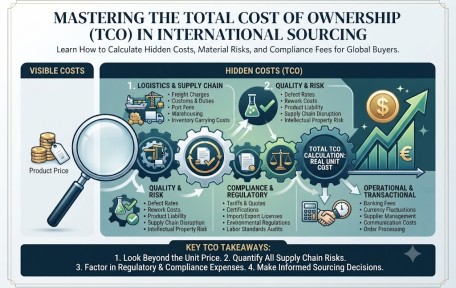
•Prepare a comprehensive Tech Pack specifying material grades, moisture content, and compliance standards before starting negotiations.•Focus on Total Cost of Ownership (TCO) rather than squeezing the FOB unit price to avoid compromising on quality and product safety.
•Leverage international certifications like BSCI, SMETA, and FSC to align on quality standards and reduce product defect risks.
•Structure negotiations around mutual growth, offering predictable forecast volumes in exchange for favorable payment terms and priority production slots.
INTRODUCTION: THE SHIFT FROM MIDDLEMEN TO DIRECT FACTORY PARTNERSHIPS
In the highly competitive global home decor and lifestyle market, retail buyers, sourcing managers, and interior designers are constantly seeking ways to optimize their supply chains. Traditional sourcing models often rely on trading companies or sourcing agents. While these intermediaries offer convenience, they also introduce markups, limit transparency, and restrict your ability to customize products at the raw-material level.
Transitioning to a direct factory sourcing model—especially with established manufacturers in manufacturing hubs like Vietnam—unlocks unprecedented value. However, negotiating directly with a factory requires a completely different playbook than negotiating with a trading company. It is not merely about demanding the lowest price; it is about understanding manufacturing constraints, material characteristics, and operational efficiencies to co-create a win-win partnership. This guide provides a step-by-step framework to help you negotiate effectively with direct factories, ensuring you secure the best value, highest quality, and most reliable lead times for your sustainable home decor lines.
PREREQUISITES: WHAT TO PREPARE BEFORE ENTERING FACTORY NEGOTIATIONS
Successful negotiation begins long before you sit down at the discussion table. Direct manufacturers respect buyers who demonstrate operational maturity and a deep understanding of their own product requirements. Before reaching out to a factory like Ngoc Dong Ha Nam, you must prepare three critical pillars of information:
1. A Comprehensive Tech Pack
Never approach a direct factory with just a loose concept or a low-resolution screenshot. Prepare a detailed Technical Specification Package (Tech Pack) that includes precise dimensions, detailed CAD drawings or high-resolution reference photos, exact material specifications (such as natural rattan, fast-growing bamboo, woven seagrass, water hyacinth, or FSC-certified acacia wood), and packaging requirements. If you are sourcing woven baskets, specify the weave density and frame material (e.g., iron frame with powder coating versus wooden frame).
2. Clear Compliance and Certification Requirements
Establish your non-negotiable compliance standards upfront. Are you importing into Europe, which requires strict adherence to EU Timber Regulations (EUTR) and REACH? Do your corporate governance guidelines demand ethical sourcing certifications? Knowing that you require factories with BSCI, SMETA, or FSC (Forest Stewardship Council) certifications will immediately filter out unqualified suppliers and establish your position as a high-caliber professional buyer.
3. Realistic Volume Forecasts and Target Pricing
Determine your Minimum Order Quantity (MOQ) per SKU and your projected annual volume. Calculate your target Landed Cost and work backward to estimate a realistic FOB (Free on Board) target price. Having these figures ready allows the factory to assess production efficiency and offer volume-tiered pricing models.
Step 1: Establish Your Credibility and Align on Shared Values
Direct manufacturers are often capacity-constrained, meaning they must choose which buyers to prioritize. Your first step in negotiation is to position your brand as an ideal partner. Factories are highly receptive to buyers who offer operational stability and mutual growth.
When initiating discussions, emphasize your distribution channels, market reach, and brand positioning. If your brand prioritizes sustainability, highlight this alignment. For instance, partnering with a manufacturer that utilizes natural, renewable materials like water hyacinth and seagrass showcases a shared commitment to eco-friendly production. Explain your purchasing cycle and how your order volumes are expected to grow over the next two to three years. By framing the negotiation around a long-term strategic alliance rather than a one-off transaction, the factory will be much more willing to allocate their best production lines and offer competitive introductory pricing.
Step 2: Decode the Cost Breakdown (Beyond the FOB Price)
To get the best value, you must understand where the factory's costs originate. A common mistake is focusing solely on the final FOB price. Instead, request an open-book cost breakdown. A transparent manufacturer will gladly discuss the primary cost drivers of handwoven and wooden home decor:
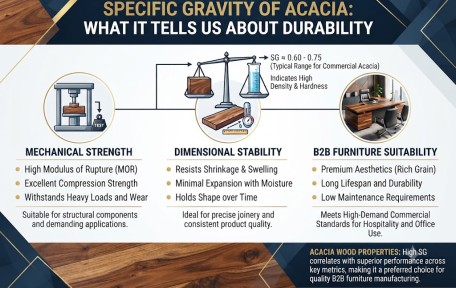
- Raw Material Costs: The price of natural fibers like rattan, bamboo, and seagrass can fluctuate based on seasonal harvesting patterns. Acacia wood pricing depends on FSC certification status and drying processes.
- Labor and Craftsmanship: Handwoven products require skilled artisans. Acknowledge that fair wages and safe working conditions—as audited by BSCI—are essential for maintaining product quality and consistency.
- Finishing and Treatments: To prevent mold and pests during maritime transit, products must undergo specialized kiln-drying and eco-friendly anti-mold treatments. Squeezing costs here can lead to disastrous quality issues upon arrival.
- Packaging and Cartons: Drop-test certified packaging, inner boxes, and customized labeling add to the unit cost but prevent costly transit damage.
By understanding these components, you can negotiate intelligently. For example, if the initial quote is above your target, you can discuss modifying the packaging design, substituting a premium weave with a simpler yet equally durable weaving style, or optimizing the product dimensions to fit more units into a standard shipping container, thereby reducing per-unit shipping costs.
Step 3: Leverage Compliance and Quality Standards for Value Protection
Value is not just about price; it is about risk mitigation. A cheap product that arrives damaged, moldy, or non-compliant with local import regulations has a negative value. Therefore, use quality assurance (QA) and compliance as leverage in your negotiations.
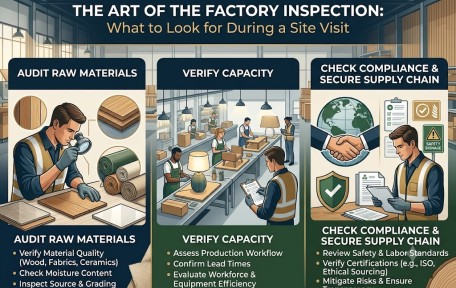
Agree on a strict Quality Control (QC) protocol before signing the contract. Define clear Acceptable Quality Limits (AQL) for major and minor defects. Specify that independent third-party inspections (such as SGS or TÜV) will be conducted at the factory before cargo dispatch, with the inspection cost borne by the factory if they fail the initial test. When a factory knows you have a rigorous, structured QC process and that you value their BSCI and SMETA compliance, they will naturally pay closer attention to your production batch, reducing defect rates and saving you thousands of dollars in post-shipment disputes.
Step 4: Structure Payment Terms and Production Timelines Flexibly
Payment terms directly impact your cash flow and working capital. While direct factories typically require a 30% deposit and 70% against the Bill of Lading (B/L) for initial orders, everything is negotiable as trust is established.
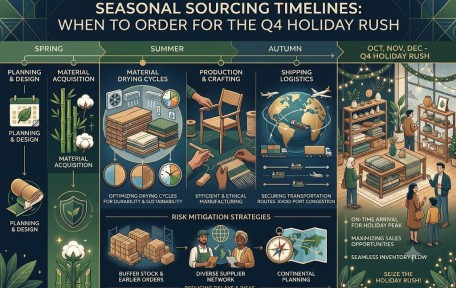
As your partnership matures, negotiate transitional payment terms, such as Net 30 or Net 60 days post-shipment. To secure these terms, you can offer the factory predictable production schedules. For example, place blanket orders for the entire year, allowing the factory to produce during their off-peak seasons (typically post-Lunar New Year). This keeps their workforce stable and lowers their operational overhead, a benefit they can pass back to you in the form of discounted off-season production rates and extended payment windows.
CONCLUSION: BUILDING A SUSTAINABLE, HIGH-YIELD MANUFACTURING ALLIANCE
Negotiating with a direct factory is an art of balancing cost, quality, and relationship equity. By coming prepared with precise technical requirements, understanding the factory's cost structure, prioritizing compliance, and offering operational predictability, you transform yourself from a transactional buyer into a strategic partner.
At Ngoc Dong Ha Nam, we believe that the best negotiations are those where both parties prosper. With over several decades of experience manufacturing certified, sustainable home decor for the global market, we work hand-in-hand with our partners to optimize designs, streamline production, and deliver exceptional value without compromising on social responsibility or environmental integrity. Ready to elevate your sourcing strategy? Contact our B2B consulting team today to discuss your next collection.
FREQUENTLY ASKED QUESTIONS
Why is negotiating with a direct factory better than using a trading company?
Direct factory negotiation eliminates middleman markups, gives you direct control over product customization and quality standards, provides transparent insights into materials (like FSC-certified wood or natural fibers), and ensures direct accountability if quality issues arise.
How can I reduce the unit cost of handwoven home decor without sacrificing quality?
You can optimize unit costs by simplifying complex weaving patterns, modifying product dimensions to maximize container loading capacity, ordering during the factory's off-peak seasons, or committing to larger annual volumes divided into scheduled shipments.
What certifications should I look for when sourcing home decor from Vietnam?
Look for globally recognized certifications such as BSCI (Business Social Compliance Initiative) and SMETA for ethical labor practices, and FSC (Forest Stewardship Council) for responsibly managed wood and paper resources. These certifications guarantee compliance with international import laws.
How do factories handle quality control and product defects?
Reputable direct factories have internal QC teams monitoring raw materials, production lines, and final packaging. Buyers should negotiate clear Acceptable Quality Limits (AQL) and arrange for third-party pre-shipment inspections to verify quality before cargo dispatch.