
A Comprehensive Guide to the BSCI Audit: How to Ensure Social Responsibility in Vietnamese Handicraft Factories
Key Takeaways
- •The amfori BSCI audit evaluates a factory's adherence to 11 core labor rights and social responsibility principles.
- •Partnering with BSCI-audited Vietnamese factories ensures ethical sourcing and protects your brand reputation globally.
- •The audit process involves comprehensive site inspections, confidential worker interviews, and rigorous documentation reviews.
- •Continuous improvement is a core component of BSCI, requiring factories to implement Corrective Action Plans (CAP) for ongoing compliance.
- •Sourcing sustainable materials like bamboo and rattan from certified factories guarantees both environmental and social compliance.
Introduction: The Imperative of Social Responsibility in Global Home Decor
In today's hyper-connected global market, the aesthetic appeal of a home decor product is no longer its sole selling point. Modern consumers demand transparency, sustainability, and ethical manufacturing. For global buyers and interior designers, this shift transforms social responsibility from a moral ideal into a strict business imperative.
When sourcing exquisite natural products—whether it is intricately woven rattan furniture, durable bamboo planters, or elegant seagrass baskets—the story behind the product matters immensely. Did the artisans receive fair wages? Were working conditions safe? Is the supply chain free from exploitation? This is where the amfori BSCI (Business Social Compliance Initiative) audit becomes your most valuable tool.
As a leading consultant in sustainable supply chains and the Marketing Director for Ngoc Dong Ha Nam, I have witnessed firsthand how rigorous adherence to BSCI standards elevates Vietnamese manufacturing on the world stage. This guide will walk you through the essential steps of understanding, preparing for, and leveraging the BSCI audit to ensure your sourcing strategy is as ethical as it is profitable.
Prerequisites: Understanding the Core Principles of amfori BSCI
Before diving into the audit process, buyers must understand what the BSCI framework actually entails. Unlike a simple pass/fail certification, BSCI is a continuous improvement methodology based on 11 core principles derived from the International Labour Organization (ILO) conventions.
The 11 Pillars of BSCI
- The Rights of Freedom of Association and Collective Bargaining: Workers have the right to form unions and bargain collectively.
- Fair Remuneration: Workers must receive fair compensation that is sufficient to provide a decent standard of living.
- Occupational Health and Safety (OHS): Factories must provide a safe and healthy working environment, crucial in handicraft facilities handling raw materials like water hyacinth and acacia wood.
- Special Protection for Young Workers: Strict guidelines to protect workers who are not yet adults.
- No Bonded Labour: Prohibition of forced, bonded, or indentured labor.
- Ethical Business Behaviour: Prevention of corruption, extortion, and bribery.
- No Discrimination: Equal opportunities regardless of gender, age, religion, or background.
- Decent Working Hours: Compliance with national laws regarding working hours and overtime.
- No Child Labour: Absolute prohibition of employing children under the legal working age.
- No Precarious Employment: Employment relationships must be legally recognized and secure.
- Protection of the Environment: Implementing measures to minimize adverse environmental impacts, aligning with FSC and other green standards.
Understanding these prerequisites is essential for global buyers aiming to align their brand values with their supply chain realities.
Step 1: Identifying and Partnering with BSCI-Committed Manufacturers
The first step in ensuring social responsibility is selecting the right manufacturing partners in Vietnam. Not all factories are equipped or willing to undergo the rigorous BSCI audit process. As a buyer, your goal is to identify facilities that view social compliance as a strategic advantage rather than a regulatory burden.
What to Look For in a Partner
When evaluating potential suppliers for natural home decor, look for a proven track record of transparency. A committed manufacturer will readily share their latest BSCI audit reports, alongside other relevant certifications like FSC (Forest Stewardship Council) and SMETA (Sedex Members Ethical Trade Audit).
At Ngoc Dong Ha Nam, we proactively maintain our BSCI ratings to assure our global partners that our bamboo, rattan, and seagrass products are crafted under exemplary conditions. We recommend initiating open dialogues with factory management about their labor practices, community involvement, and long-term sustainability goals before signing any purchase orders.
Step 2: Preparing the Factory Floor - Documentation and Workplace Safety
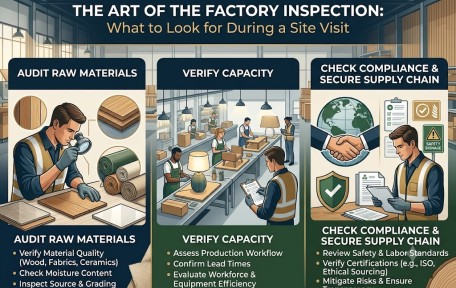
Once a partnership is established, the factory must prepare for the audit. This step is a massive undertaking that requires meticulous attention to detail. For buyers, understanding this phase provides insight into the operational excellence required to maintain compliance.
Documentation Readiness
Auditors will scrutinize a vast array of documents. Factories must maintain accurate records of payroll, working hours, age verification for all employees, and environmental permits. Any discrepancy in these documents can lead to severe penalties in the audit rating.
Physical Workplace Enhancements
Beyond paperwork, the physical environment must meet stringent safety standards. In a Vietnamese handicraft factory, this means ensuring proper ventilation in areas where acacia wood is sanded, providing ergonomic seating for artisans weaving water hyacinth, and maintaining clear, unobstructed fire exits. Fire safety equipment must be regularly inspected, and workers must receive ongoing training on emergency protocols. A factory that excels in this step demonstrates a genuine commitment to worker well-being, not just audit compliance.
Step 3: Navigating the On-Site BSCI Audit Process
Step 3 is the culmination of preparation: the actual on-site audit conducted by an independent, third-party auditing firm. This process is comprehensive, objective, and designed to uncover the true working conditions within the facility.
The Anatomy of the Audit
- Opening Meeting: The auditors meet with factory management to explain the scope and methodology of the audit.
- Site Tour: A thorough inspection of the production floor, warehouses, dining areas, and dormitories. Auditors look for health and safety hazards, proper use of personal protective equipment (PPE), and overall cleanliness.
- Document Review: A deep dive into the paperwork prepared in Step 2, cross-referencing payroll with timecards to ensure workers are paid fairly for regular and overtime hours.
- Worker Interviews: This is arguably the most critical component. Auditors conduct confidential interviews with a representative sample of workers without management present. This ensures that the workers' voices are heard and that the documented policies reflect the actual day-to-day reality on the factory floor.
- Closing Meeting: The auditors present their preliminary findings to the management, discussing both strengths and areas requiring improvement.
Step 4: Implementing Corrective Action Plans (CAP) for Continuous Improvement
The BSCI framework is built on the philosophy of continuous improvement. Step 4 involves addressing the findings from the audit. Factories receive a rating from A (Outstanding) to E (Unacceptable). Very few factories achieve a perfect score on their first attempt, and that is entirely normal within the amfori BSCI system.
The Remediation Process
If non-compliances are identified, the factory must develop and implement a Corrective Action Plan (CAP). This plan outlines specific steps, responsible personnel, and deadlines for rectifying the issues. For example, if auditors find that workers need better protective gear when handling certain natural dyes for rattan, the CAP will detail the immediate procurement and mandatory training for that gear.
As a buyer, your role in this step is crucial. Rather than abandoning a supplier for a minor non-compliance, industry best practice dictates supporting the factory through the remediation process. Collaborative partnerships foster loyalty and lead to stronger, more resilient, and deeply ethical supply chains.
Conclusion: Elevate Your Brand with Ethically Crafted Vietnamese Home Decor
Navigating the BSCI audit process is a rigorous but deeply rewarding journey. By understanding the prerequisites and following these steps, global buyers and interior designers can confidently source beautiful, natural home decor products without compromising their ethical standards.
Social responsibility is no longer a trend; it is the foundation of modern business. When you choose to partner with factories that embrace amfori BSCI, FSC, and SMETA standards, you are not just buying a product—you are investing in human dignity, community development, and environmental stewardship.
At Ngoc Dong Ha Nam, we have integrated these world-class standards into the very fabric of our operations. From our sustainably harvested bamboo and seagrass to our impeccably safe and fair factory floors, we are ready to be your trusted partner in ethical sourcing. Elevate your brand, delight your customers, and make a positive impact on the world by choosing responsibly manufactured Vietnamese handicrafts. Contact us today to explore our sustainably crafted collections.
Frequently Asked Questions
What does BSCI stand for and why is it important for home decor buyers?
BSCI stands for Business Social Compliance Initiative (now known as amfori BSCI). It is a leading supply chain management system that helps companies drive social compliance and improvements within factories. For buyers, it ensures that products are made ethically, protecting brand reputation and meeting consumer demand for sustainable goods.
Is the amfori BSCI an official certification?
No, amfori BSCI is not a certification and it does not issue a pass or fail certificate. Instead, it is a comprehensive auditing methodology that provides a rating (from A to E) based on a factory's adherence to 11 core labor rights, focusing on continuous improvement.
How often do Vietnamese handicraft factories need to undergo a BSCI audit?
A full BSCI audit is generally valid for two years if the factory achieves a high rating (A or B). However, if a factory receives a lower rating (C, D, or E), a follow-up audit is typically required within 12 months to verify that the Corrective Action Plan (CAP) has been implemented successfully.
How does Ngoc Dong Ha Nam ensure compliance with BSCI standards?
Ngoc Dong Ha Nam rigorously adheres to amfori BSCI standards by maintaining transparent documentation, ensuring occupational health and safety, providing fair remuneration, and fostering a safe environment for all artisans working with our natural materials like bamboo, rattan, and seagrass.