A Guide to Heat Treatment Processes: Eliminating Pests in Natural Home Decor Without Harmful Chemicals
Why Chemical-Free Pest Control is the Future of Sustainable Sourcing
In the dynamic world of global interior design and home decor sourcing, a silent revolution is taking place. As an international buyer or interior designer, you are acutely aware of the shifting demands of the modern consumer. Today's market does not just demand aesthetic brilliance; it demands absolute transparency, environmental stewardship, and uncompromising safety. Imagine curating a breathtaking collection of natural woven furniture, only to face catastrophic customs rejections or, worse, customer complaints due to pest infestations or toxic chemical odors. For decades, the industry relied on harsh chemical fumigants like Methyl Bromide to eradicate pests in natural materials. However, these volatile organic compounds (VOCs) pose severe health risks to artisans, off-gas into consumers' homes, and devastate the ozone layer. The definitive, sustainable alternative? Heat Treatment. This comprehensive guide will walk you through how Ngoc Dong Ha Nam employs advanced, chemical-free heat treatment processes to guarantee pristine, pest-free natural decor. By mastering these protocols, we ensure our Acacia, Bamboo, Seagrass, Rattan, and Water Hyacinth products meet the highest echelons of global quality, aligning perfectly with strict environmental standards and safeguarding your brand's reputation.
What You Need to Know Before Implementing Heat Treatment
Understanding the Science and Standards of Thermal Pest Eradication
Before diving into the operational steps, it is crucial to understand the prerequisites that make heat treatment effective and compliant on a global scale. Unlike chemical dips that coat the surface of a material, heat treatment is a highly calibrated thermal process designed to penetrate the very core of natural fibers. The Materials: The approach must be meticulously tailored to the specific cellular structure of the raw material. Dense Acacia wood and thick-walled Bamboo require different thermal curves compared to porous, delicate fibers like Water Hyacinth and Seagrass. The Standards: A world-class heat treatment facility operates in strict adherence to ISPM 15 (International Standards for Phytosanitary Measures No. 15), which mandates that the core temperature of the material must reach a minimum of 56 degrees Celsius (133 degrees Fahrenheit) for at least 30 continuous minutes. The Ethical Foundation: At Ngoc Dong Ha Nam, our commitment to sustainability extends beyond the kiln. Our prerequisites include sourcing exclusively from FSC-certified forests and ensuring that all pre-treatment handling aligns with BSCI and SMETA guidelines. This guarantees that the artisans preparing the materials work in safe, ethical conditions, far removed from the hazardous chemical vats of the past.
Step 1: Sustainable Harvesting and Sun-Curing
The journey to a pest-free, chemically untainted product begins long before the raw materials reach our advanced kilns. The first critical step is strategic harvesting. Insects, particularly borers and beetles, are naturally attracted to the starches and sugars present in raw natural materials. By timing our harvests meticulously—such as cutting bamboo during specific lunar cycles or cooler seasons when sap and starch levels are at their lowest—we drastically reduce the natural appeal of the material to pests. Once harvested, materials like Rattan, Seagrass, and Water Hyacinth undergo a rigorous initial sun-curing process. Spread across vast, clean drying yards under the intense Vietnamese sun, the raw fibers begin to lose their initial water weight. This natural dehydration is a crucial preparatory phase; it stabilizes the fibers, prevents immediate fungal growth (mold and mildew), and prepares the cellular structure of the material to withstand the intense thermal dynamics of the heat treatment kiln without suffering from structural degradation or aesthetic blemishes.
Step 2: Precision Kiln Drying and Core Heat Treatment
This is the definitive stage where science meets craftsmanship. The sun-cured materials are carefully loaded into state-of-the-art industrial kilns. Unlike rudimentary drying rooms, our kilns are equipped with precision thermostatic controls and multi-point moisture sensors. The temperature is elevated gradually to prevent thermal shock, which could cause Acacia wood to warp or Bamboo to split. Once the ambient temperature stabilizes, the critical phase begins: driving the heat deep into the core of the materials. We maintain the stringent ISPM 15 standard, ensuring the absolute core of the thickest piece of wood or rattan reaches at least 56 degrees Celsius for a minimum of 30 minutes. This precise thermal threshold is biologically lethal to all known quarantine pests at every stage of their life cycle—destroying eggs, eradicating larvae, and eliminating adult insects. Because this process relies entirely on thermal energy, there are zero chemical residues left behind. Your end-consumers receive a product that is 100% natural, hypoallergenic, and safe for enclosed residential spaces.
Step 3: Moisture Equalization and Fiber Conditioning
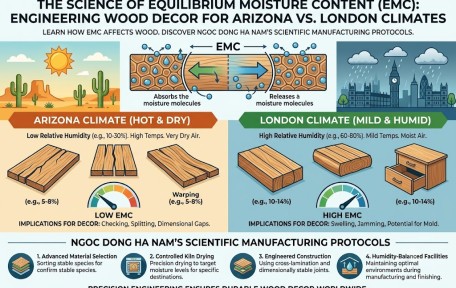
Eliminating pests is only half the battle; maintaining the structural integrity and workability of the material is equally vital. The intense heat of the kiln inevitably drives out a significant amount of moisture, which, if left unmanaged, would render natural fibers incredibly brittle and impossible to weave. Step 3 involves a highly controlled cooling and moisture equalization process. As the temperature in the kiln is slowly reduced, we introduce specific humidity levels back into the environment. This allows materials like Water Hyacinth and Seagrass to reabsorb just enough moisture to regain their signature flexibility and tensile strength, without crossing the threshold that would invite mold. For structural materials like Acacia and Bamboo, this equalization phase relieves internal cellular stresses, establishing an Equilibrium Moisture Content (EMC) typically between 10% and 14%. This precise conditioning ensures that the final home decor products will not crack, warp, or unravel when shipped across different global climate zones, from the humid coasts of Florida to the dry interiors of Northern Europe.
Step 4: Stringent Quality Control and Secure Storage
The final step in our chemical-free pest eradication protocol is safeguarding the treated materials from re-infestation. Once the materials exit the kiln and complete the conditioning phase, they are immediately moved into secure, climate-controlled quarantine zones. Cross-contamination is a severe risk in manufacturing; therefore, treated Acacia, Bamboo, and Rattan are never stored in proximity to raw, untreated harvest. Our Quality Assurance teams, operating under the rigorous frameworks of our SMETA and BSCI certifications, conduct thorough visual and moisture-meter inspections on every batch. Before the materials are woven into exquisite baskets, furniture, or decor pieces, they are verified for optimal moisture content. When the final products are packaged for international ocean freight, we utilize high-grade silica gel desiccants and moisture-barrier packaging. This creates a micro-climate within the shipping container, ensuring that the pristine, pest-free, and chemical-free state achieved in our kilns is perfectly preserved until the moment the container doors are opened at your distribution center.
Partnering for a Greener Future: Your Next Steps in Sustainable Sourcing
Transitioning to chemically-free, heat-treated natural home decor is no longer just an ethical choice; it is a strategic business imperative. By sourcing products that utilize advanced heat treatment processes, you eliminate the risk of customs delays, protect your brand from the liability of toxic off-gassing, and cater to the booming demographic of eco-conscious consumers who demand purity in their living spaces. At Ngoc Dong Ha Nam, our mastery over the thermal treatment of Acacia, Bamboo, Seagrass, Rattan, and Water Hyacinth sets the global gold standard. We blend traditional Vietnamese weaving artistry with cutting-edge, environmentally responsible manufacturing technology. Are you ready to elevate your product lines with decor that is as safe and sustainable as it is beautiful? Connect with our B2B sourcing experts today to explore our latest collections, review our FSC, BSCI, and SMETA compliance documentation, and take the definitive step toward a greener, cleaner, and more profitable supply chain.
Frequently Asked Questions
What is the ISPM 15 standard and why does it matter for natural home decor?
ISPM 15 is an international phytosanitary measure that requires natural wood and thick plant materials to be heat-treated to a core temperature of 56°C for 30 minutes. For B2B buyers, compliance ensures smooth customs clearance globally and eliminates the risk of invasive pests destroying inventory.
Does heat treatment affect the durability of natural fibers like seagrass and water hyacinth?
When executed correctly with proper moisture equalization, heat treatment enhances durability. While heat eradicates pests and mold spores, our subsequent conditioning phase restores optimal equilibrium moisture content, ensuring fibers remain flexible, strong, and highly resistant to cracking.
Why should interior designers prefer heat-treated decor over chemically fumigated products?
Chemically fumigated products often retain volatile organic compounds (VOCs) that can off-gas into spaces, causing allergic reactions and unpleasant odors. Heat-treated decor is 100% chemical-free, making it hypoallergenic, safer for end-consumers, and aligned with green living trends.
How does Ngoc Dong Ha Nam ensure the ethical handling of materials during these processes?
Our entire supply chain, from harvesting FSC-certified acacia and bamboo to kiln operations, is strictly audited under BSCI and SMETA standards. This guarantees our artisans work in safe environments without exposure to hazardous chemicals, ensuring fair labor practices and true sustainability.