How to Master the Natural Color Palette of Acacia: A Guide from Amber to Deep Espresso
Introduction: Unlocking the Versatility of Acacia Wood in Global Decor
As the Marketing Director and Sustainable Supply Chain Consultant at Ngoc Dong Ha Nam, I have witnessed firsthand the transformative power of natural materials in global interior design. Among these, Acacia wood stands out as a true chameleon. Capturing the essence of biophilic design, Acacia offers a breathtaking natural color palette that ranges from radiant golden amber to luxurious deep espresso. For global buyers, procurement officers, and interior designers, understanding how to leverage this spectrum is critical for curating collections that resonate with today's eco-conscious consumers.
The modern consumer is moving away from uniform, synthetic finishes, instead craving the authentic, perfectly imperfect beauty of nature. Acacia wood answers this call effortlessly. Its dynamic grain patterns and rich color variations provide a unique narrative for every single SKU, turning everyday homewares and furniture into bespoke pieces of art. However, effectively merchandising and styling this diverse wood requires a strategic approach. This guide will walk you through the exact steps to source, select, and style the complete color palette of Acacia wood, ensuring your next B2B collection is both visually stunning and commercially successful.
The Value of Acacia in B2B Procurement
Before diving into the styling steps, it is essential to recognize why Acacia is dominating international trade shows. It is a highly durable, fast-growing hardwood that boasts natural water resistance and antibacterial properties. This makes it an ideal candidate for everything from high-traffic hospitality furniture to delicate kitchenware. By mastering its color palette, you can create cohesive, cross-category collections that appeal to diverse aesthetic preferences, maximizing your return on investment and solidifying your brand's reputation as a purveyor of premium, sustainable goods.
Prerequisites: Essential Sourcing Standards and Material Knowledge
Before integrating the diverse hues of Acacia into your product lines, global buyers and interior designers must establish a foundation of sustainable and ethical sourcing. At Ngoc Dong Ha Nam, we emphasize that beautiful design must always be matched by responsible supply chain practices. You cannot successfully market the natural beauty of Acacia without guaranteeing the protection of the environment from which it came.
1. Navigating Sustainability Certifications
Your first prerequisite is ensuring that all Acacia wood sourced for your collections is FSC-certified (Forest Stewardship Council). This globally recognized certification guarantees that the timber is harvested from responsibly managed forests, preserving biodiversity, preventing deforestation, and benefiting local communities. Furthermore, you must align with manufacturing partners who adhere strictly to BSCI (Business Social Compliance Initiative) and SMETA (Sedex Members Ethical Trade Audit) standards. These frameworks ensure fair labor practices, safe working conditions, and ethical supply chain management, thereby mitigating risk and protecting your brand's reputation in the global market.
2. Understanding Wood Anatomy: Sapwood vs. Heartwood
To truly master the Acacia color palette, you must understand its biological structure. The lighter, golden amber and honey tones typically originate from the sapwood—the outer, living layers of the tree that transport water and nutrients. In contrast, the deep, rich espresso, mocha, and chocolate hues are found in the heartwood—the dense, mature inner core of the trunk. Recognizing this natural variation is crucial for setting accurate quality control (QC) expectations with your suppliers and for educating your end consumers. Embracing the contrast between sapwood and heartwood allows you to celebrate the material's authenticity rather than viewing color variation as a defect.
Step 1: Harnessing Golden Amber Tones for Warm, Organic Collections
The first step in utilizing the Acacia palette is to embrace its lightest, most radiant hues: golden amber and soft blonde. These colors are predominantly found in the sapwood and are highly sought after for contemporary, light-filled interior design schemes.
Target Aesthetics: Japandi and Scandinavian Design
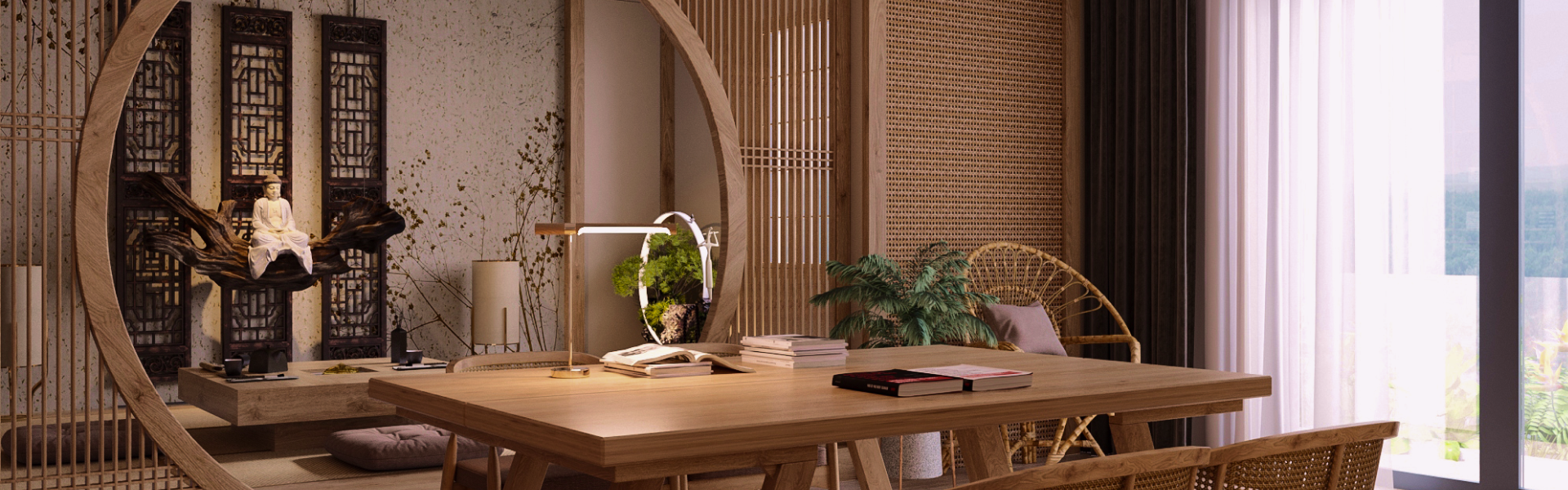
Amber Acacia is the perfect foundation for Japandi and Scandinavian design trends, which prioritize minimalism, warmth, and an unpretentious connection to nature. The golden undertones of the wood bring a sense of cozy brightness to a room without overwhelming the space. For interior designers, specifying amber Acacia for statement dining tables, minimalist shelving units, or organic-shaped coffee tables can instantly elevate a room's sense of tranquility.
B2B Sourcing and Finishing Tips
When sourcing amber Acacia for your B2B collections, request that your manufacturing partners use clear, water-based, or natural oil finishes. Avoid heavy nitrocellulose lacquers that can yellow over time and obscure the wood's delicate grain. A matte or satin finish will preserve the raw, tactile quality of the wood, appealing to consumers who desire a highly organic look and feel. Additionally, consider merchandising these lighter wood pieces alongside soft, neutral textiles like unbleached linen and organic cotton to create a cohesive, inviting catalog presentation.
Step 2: Curating Mid-Tone Honey and Caramel for Transitional Decor
As we move deeper into the Acacia trunk, the colors transition into rich, warm mid-tones of honey, caramel, and light walnut. This is where the true versatility of Acacia shines, offering a bridge between stark modernism and heavy traditionalism.
The Power of Transitional Merchandising
Mid-tone Acacia is the workhorse of the home decor industry. It is universally appealing and fits seamlessly into transitional decor—a style that blends classic elegance with modern lines. For global buyers, investing in honey and caramel Acacia SKUs is a safe, high-volume play. These tones work beautifully for bedroom suites, home office desks, and kitchen islands. The mid-tones also highlight the mesmerizing, interlocking grain patterns that Acacia is famous for, providing a visual texture that synthetic veneers simply cannot replicate.
Embracing Natural Contrast
Step 2 also involves learning to love the contrast. Many Acacia boards will feature a striking juxtaposition of lighter sapwood and darker heartwood on the same piece. Rather than sorting these out, leading design houses are celebrating this "wild grain" look. When developing your product specifications, clearly define the acceptable ratio of sapwood to heartwood. Educate your sales teams to market this dual-tone effect as a hallmark of genuine, high-quality solid wood, turning a natural characteristic into a premium selling point.
Step 3: Elevating Spaces with Deep Espresso and Mocha Finishes
The third step takes us to the heartwood of the Acacia tree, where the colors deepen into luxurious espresso, dark chocolate, and rich mocha. These dark tones exude sophistication, grounding a space and providing a sense of established luxury.
Targeting the Premium and Corporate Sectors
Deep espresso Acacia is highly effective when targeting the premium hospitality sector, boutique hotels, and executive corporate environments. Dark academia and modern luxury trends lean heavily on these profound, moody hues. An espresso-toned Acacia credenza or a dark-stained boardroom table projects authority, resilience, and refined taste. For B2B buyers, incorporating a "Dark Collection" allows you to capture a higher price point and appeal to high-end interior design firms.
Achieving the Perfect Dark Finish Sustainably
While some older Acacia trees naturally possess very dark heartwood, achieving a uniform espresso color across a large production run often requires staining or thermal modification. As a sustainable supply chain consultant, I strongly advise buyers to specify eco-friendly, low-VOC (Volatile Organic Compound) stains. Thermal modification—a process that uses heat and steam to naturally darken the wood entirely through its core without chemicals—is an excellent, sustainable alternative that also increases the wood's dimensional stability. Partnering with suppliers who utilize these advanced, green technologies ensures your dark Acacia collections remain environmentally responsible.
Step 4: Blending Acacia Colors with Bamboo, Rattan, and Seagrass
The final, and perhaps most innovative, step is to integrate the Acacia color palette with other sustainable, natural materials. At Ngoc Dong Ha Nam, our expertise lies in the seamless combination of robust woods with delicate, hand-woven fibers. This cross-material approach creates multi-dimensional products that stand out in a crowded global marketplace.
Creating High-Contrast Textural Masterpieces
Imagine the striking visual impact of a deep espresso Acacia serving tray featuring intricately woven, light-blonde Seagrass handles. Or consider a mid-tone caramel Acacia lounge chair backed with tightly woven, natural Rattan cane. By pairing the solid, smooth surface of Acacia with the tactile, organic texture of Bamboo, Water Hyacinth, or Rattan, you create products that engage multiple senses. This technique is particularly effective for home accessories, lighting fixtures, and accent furniture.
Strategic Sourcing for Mixed-Material SKUs
Developing mixed-material products requires a highly capable and integrated supply chain. When sourcing these items, ensure your manufacturing partner has in-house expertise in both woodworking and traditional weaving techniques. This prevents the logistical nightmares and quality control issues associated with outsourcing different components to multiple factories. By centralizing production with a vendor like Ngoc Dong Ha Nam, who holds BSCI, SMETA, and FSC certifications, you guarantee that every element of your mixed-material product—from the amber Acacia base to the woven Bamboo accent—meets the highest global standards for quality and sustainability.
Conclusion: Partnering for Sustainable, Trend-Setting Acacia Collections
Mastering the natural color palette of Acacia wood—from the lightest amber to the deepest espresso—empowers global buyers and interior designers to create dynamic, sustainable, and highly marketable home decor collections. By understanding the biological origins of these colors, respecting the natural variations of the wood, and demanding rigorous sustainability certifications like FSC, BSCI, and SMETA, you can elevate your brand and meet the evolving demands of the eco-conscious consumer.
Whether you are curating a minimalist Japandi collection featuring radiant sapwood, or a luxury hospitality line utilizing deep, thermally modified heartwood, Acacia offers unparalleled versatility. Furthermore, by taking the final step to blend Acacia with other sustainable materials like Rattan, Seagrass, and Bamboo, you unlock entirely new avenues for innovative product design.
At Ngoc Dong Ha Nam, we are dedicated to helping our global B2B partners navigate this beautiful spectrum. With our deep expertise in sustainable supply chains and premium craftsmanship, we are ready to bring your next visionary collection to life. Embrace the full palette of nature, and let Acacia wood be the foundation of your future success.
Frequently Asked Questions
Does the color of natural Acacia wood change over time?
Yes, like most natural hardwoods, Acacia is photosensitive. Exposure to direct sunlight and UV rays can cause lighter amber tones to gently darken and mellow, while very dark espresso tones may slightly lighten or develop a rich patina. We recommend using UV-protective finishes to minimize drastic color shifts.
How can global buyers ensure the Acacia they source is truly sustainable?
Buyers must demand strict documentation from their suppliers. Look for FSC (Forest Stewardship Council) certification for the raw material, which ensures responsible forestry. Additionally, verify factory compliance through BSCI and SMETA audits to guarantee ethical labor practices and safe working conditions.
Can amber and espresso Acacia tones be mixed within a single B2B furniture collection?
Absolutely. High-contrast merchandising is a growing trend in interior design. Mixing light amber and deep espresso Acacia pieces within a single catalog or room setting creates a dynamic, layered look that highlights the natural authenticity of the wood and appeals to contemporary design sensibilities.
What makes Acacia wood a preferred choice over other hardwoods for global interior designers?
Acacia is favored for its exceptional durability, natural water and scratch resistance, and striking, varied grain patterns. Furthermore, because it is a fast-growing species, it is highly sustainable and offers a more cost-effective, eco-friendly alternative to slow-growing exotic hardwoods without sacrificing luxury aesthetics.