How to Tell the Difference Between Natural Solid Wood and Engineered Wood: A Guide for Global Buyers
Key Takeaways
- •Natural solid wood features continuous grain patterns and visible end grains, unlike engineered wood which relies on edge banding.
- •Engineered wood cannot be intricately carved without exposing its composite core, whereas solid wood offers seamless carving and robust traditional joinery.
- •Solid wood contains natural imperfections such as knots and color variations that are difficult to replicate authentically in manufactured boards.
- •Sourcing FSC-certified natural solid wood ensures environmental sustainability and compliance with global B2B standards like BSCI and SMETA.
Introduction: The Sourcing Imperative for Global Brands
In the highly competitive world of global home decor and interior design, material authenticity is the cornerstone of brand reputation. As a B2B buyer, sourcing manager, or lead designer, the choices you make on the manufacturing floor echo all the way to the end consumer's living room. Today's conscious consumers demand transparency, longevity, and eco-friendly practices. They want to know if their dining table is crafted from responsibly sourced FSC-certified solid wood or if it relies on mass-produced engineered boards. Knowing how to definitively tell the difference between natural solid wood and engineered wood is an essential skill. It protects your supply chain integrity, ensures compliance with international standards like BSCI and SMETA, and empowers you to curate collections that inspire. This comprehensive guide will walk you through the essential steps to distinguish these materials, ensuring your next sourcing cycle aligns with the highest global standards of sustainability and craftsmanship.
Prerequisites: Understanding the Core Materials
Before we step onto the factory floor or examine a sample piece, we must establish a clear understanding of our materials. Natural solid wood is exactly what it sounds like: timber milled directly from trees. Whether it is the rich, durable grain of Acacia, or the versatile strength of other hardwoods, solid wood is a living, breathing material. It responds to its environment and boasts a lifespan that can cross generations. Furthermore, when sourced from FSC-certified forests, it represents the pinnacle of sustainable luxury. On the other hand, engineered wood—such as Medium Density Fiberboard (MDF), High Density Fiberboard (HDF), and plywood—is manufactured by binding wood fibers, strands, or veneers together with adhesives under heat and pressure. While engineered wood offers excellent dimensional stability and cost-effectiveness, it lacks the inherent character, carving capability, and structural longevity of natural wood. Often, engineered cores are wrapped in a thin layer of real wood veneer to mimic the appearance of solid timber, making the visual distinction challenging for the untrained eye.
Step 1: Examine the Grain and End-Grain Continuity
The first and most revealing step in identifying natural solid wood is a close visual inspection of the wood grain, specifically focusing on the end grain. In natural solid wood, the grain is a continuous narrative told by the tree's growth rings. When you look at the top of a solid wood board and follow the grain lines over the edge, those lines will seamlessly wrap around the corner and continue down the side. The end grain—the exposed edge where the wood was cut across the growth rings—will display the natural, porous texture of the tree's rings. Conversely, engineered wood covered in veneer will betray its manufactured nature at the edges. A veneer is simply a thin slice of real wood pasted onto a composite core. Therefore, the grain on the top surface will suddenly stop at the edge. Manufacturers attempt to hide this with edge banding—a strip of veneer applied to the sides. However, if you look closely at the corners, you will almost always spot a seam where the top veneer meets the edge banding. Additionally, if the surface features a repeating, identical grain pattern across multiple pieces, it is highly likely a printed laminate or engineered product, as Mother Nature never creates the exact same pattern twice.
Step 2: Evaluate Weight, Density, and Acoustic Properties
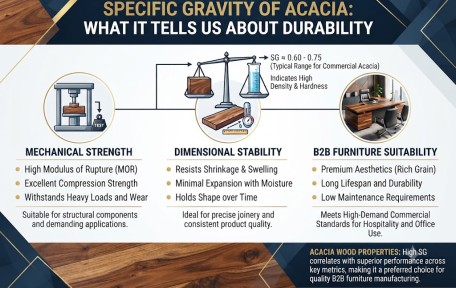
Once you have visually inspected the grain, it is time to engage your other senses. Assessing the weight and density of a piece can provide immediate clues about its composition. Natural solid wood, particularly dense hardwoods like Acacia, carries a substantial, reassuring weight. It feels robust and grounded. When you lift a solid wood chair or table leaf, the mass is distributed naturally according to the density of the specific tree species. Engineered wood, particularly MDF, can also be quite heavy due to the dense compression of wood fibers and the heavy resins used to bind them. However, the weight of MDF often feels unnaturally uniform and 'dead'. Furthermore, you can perform a simple acoustic test. Tap lightly on the surface of the wood. Solid wood tends to produce a clear, resonant sound, reflecting its unified cellular structure. Engineered wood, filled with glues and fragmented fibers, typically yields a dull, flat thud. For global buyers, understanding this tactile and acoustic difference is vital when assessing samples from new suppliers, as the physical 'feel' of a product heavily influences the end consumer's perception of quality and luxury.
Step 3: Inspect Edges, Carvings, and Joinery Techniques
The true test of a material's structural integrity lies in its joinery and edge details. Natural solid wood is a sculptor's dream; it can be carved, routed, and shaped into intricate designs without losing its structural integrity. When you run your hand over a carved detail on a solid wood piece, the grain continues smoothly through the curves and recesses. Engineered wood cannot be intricately carved in the same manner. Because it is composed of layers or compressed fibers, carving into MDF or plywood exposes the unattractive composite core. Therefore, furniture with deep, ornate carvings is almost exclusively made of solid wood. Next, inspect the joinery. High-quality solid wood furniture frequently utilizes traditional joinery techniques, such as dovetail or mortise-and-tenon joints, which rely on the natural strength of the wood interlocking. Engineered wood is prone to splitting and does not hold screws or intricate joints as well over time; thus, it is typically assembled using dowels, metal fasteners, and copious amounts of glue. Spotting a beautifully crafted dovetail joint in a drawer is a strong indicator that you are dealing with authentic solid wood.
Step 4: Look for Mother Nature's Signature Imperfections
Perfection is often the hallmark of the artificial. To confidently identify natural solid wood, you must look for the unique, beautiful imperfections that only nature can provide. Solid wood is characterized by variations in color, mineral streaks, and knots. These features tell the story of the tree's life—the soil it grew in, the branches it sprouted, and the climate it endured. While high-grade lumber minimizes these features, they are rarely entirely absent. In the context of modern interior design trends, which heavily favor organic, biophilic elements, these natural variations are highly prized by designers and consumers alike. Engineered wood, especially pieces finished with synthetic laminates or highly processed veneers, will look suspiciously flawless. The color will be entirely uniform, and any knots or 'imperfections' will look artificially placed or repeated across different panels. As a B2B sourcing expert, training your eye to appreciate and identify these natural hallmarks ensures you are procuring authentic materials that resonate with the growing consumer desire for authentic, earth-friendly home decor.
Conclusion: Elevating Your Supply Chain with Sustainable Choices
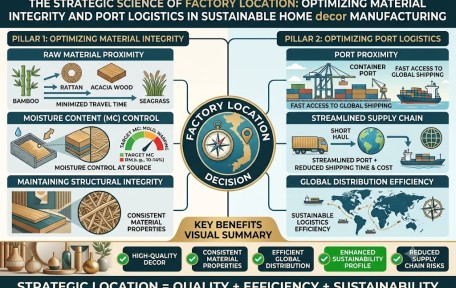
Mastering the distinction between natural solid wood and engineered wood is more than a technical skill; it is a strategic advantage in the global market. As interior designers and B2B buyers navigate an industry increasingly driven by eco-conscious consumers, the ability to source authentic, durable, and sustainable materials is paramount. Choosing FSC-certified solid wood, alongside other natural wonders like Bamboo, Rattan, and Seagrass, elevates your product offerings from mere commodities to cherished, sustainable investments. It ensures your supply chain adheres to rigorous ethical standards like BSCI and SMETA, protecting your brand and our planet. At Ngoc Dong Ha Nam, we are committed to leading the charge in sustainable supply chains, offering world-class, naturally sourced home decor solutions. By applying the steps in this guide—examining the grain, feeling the density, inspecting the joinery, and celebrating natural imperfections—you empower your brand to make purchasing decisions that are as enduring as the natural solid wood itself. Transform your sourcing strategy today by prioritizing authenticity and sustainability.
Frequently Asked Questions
Is engineered wood less durable than solid wood?
While engineered wood resists warping from moisture changes better than some solid woods, solid wood has superior overall longevity. Solid wood can be sanded and refinished multiple times, whereas engineered wood with a thin veneer cannot, making solid wood a better long-term investment.
Why should B2B buyers prioritize FSC-certified solid wood?
Sourcing FSC-certified wood guarantees that the timber comes from responsibly managed forests. This aligns with global sustainability trends, meets stringent international compliance standards like SMETA and BSCI, and significantly boosts brand reputation among eco-conscious consumers.
How can I quickly identify a wood veneer over an engineered core?
Check the edges and corners. If the grain pattern does not wrap continuously around the edge, or if you can spot a visible seam where an edge-banding strip meets the top surface, it is highly likely a veneer over an engineered wood core.
Are materials like Bamboo and Rattan considered solid wood?
Botanically, bamboo is a grass and rattan is a climbing palm, but in the B2B furniture and decor industry, they are categorized alongside solid woods as highly durable, natural, and sustainable solid materials, perfect for eco-friendly interior design.