How Vietnam Transformed Acacia into the Worlds Premium Sustainable Timber: A Case Study in Global Supply Chain Excellence
The Sourcing Dilemma: Navigating the Global Hardwood Crisis and the Demand for Sustainable Luxury
As the Marketing Director and Sustainable Supply Chain Consultant at Ngoc Dong Ha Nam, I have spent years at the intersection of global interior design trends and raw material sourcing. In recent years, global B2B buyers, procurement officers, and elite interior designers have been confronting a profound and escalating crisis: the global hardwood dilemma. For decades, the high-end furniture and home decor industries relied heavily on traditional, slow-growing hardwoods such as Teak, Oak, Mahogany, and Walnut. These materials provided the durability and aesthetic appeal that consumers demanded, but they came at an extraordinary environmental and financial cost. Deforestation, illegal logging, and the catastrophic depletion of old-growth forests have triggered a massive ecological backlash. Today, the modern consumer is highly educated, deeply eco-conscious, and demands absolute transparency. They want the warmth, elegance, and durability of premium wood without the guilt of environmental degradation.
The Designer's and Buyer's Ultimate Challenge
This paradigm shift has placed immense pressure on global supply chains. Interior designers are tasked with creating breathtaking, luxurious spaces that adhere to strict green building standards and sustainable living philosophies. Meanwhile, B2B buyers and sourcing directors are caught in a relentless squeeze: they must secure high volumes of premium-grade timber that is structurally sound, aesthetically beautiful, ethically sourced, and economically viable. The traditional mainstays of the timber industry are failing to meet these multifaceted criteria. Teak has become prohibitively expensive and is often fraught with supply chain opacities. Oak faces severe supply constraints and long lead times. Furthermore, the rising specter of greenwashing—where products are falsely marketed as eco-friendly—has made global buyers extremely wary. They require ironclad proof of sustainability, demanding internationally recognized certifications such as FSC (Forest Stewardship Council) to verify the origin of their materials.
The Financial and Operational Bottlenecks
Beyond the environmental concerns, the operational realities of sourcing traditional hardwoods have become a nightmare for large-scale retail brands and furniture manufacturers. The extended growth cycles of traditional hardwoods—often taking 50 to 100 years to reach maturity—mean that supply cannot rapidly pivot to meet sudden spikes in global demand. This inelasticity leads to severe price volatility, making long-term financial forecasting nearly impossible for B2B enterprises. Additionally, as global shipping costs fluctuate and geopolitical tensions disrupt traditional trade routes, relying on fragmented, uncertified timber sources exposes brands to unacceptable levels of risk. If a major home decor brand is found to be using unethically sourced wood, the reputational damage is instantaneous and often irreversible in today's hyper-connected market. Buyers need a reliable, scalable, and fully certified alternative.
The Search for the Super Timber
The industry desperately needed a 'super timber'—a species that grows rapidly, sequesters carbon efficiently, regenerates soil health, and yet possesses the high density, Janka hardness, and breathtaking grain patterns of old-world hardwoods. This material needed to be versatile enough for both rugged outdoor furniture and refined indoor home decor. It needed to blend seamlessly with other rising stars of the sustainable materials world, such as Bamboo, Seagrass, Rattan, and Water Hyacinth, to cater to the booming trend of mixed-material, biophilic design. Most importantly, it needed to be backed by a transparent, ethical, and highly audited supply chain. For a long time, the industry searched in vain. Early alternatives were either too soft, prone to warping, or aesthetically unappealing. The gap between the promise of sustainable living and the reality of commercial-scale furniture manufacturing seemed unbridgeable. This was the critical problem facing the global market: how to achieve scale, sustainability, and supreme quality simultaneously. The answer, it turned out, required a masterclass in agronomy, supply chain engineering, and ethical manufacturing. The answer was found in Vietnam.
Vietnam's Strategic Masterclass: Engineering the Ultimate Sustainable Acacia Supply Chain
The solution to the global hardwood crisis did not emerge by accident; it was the result of a highly strategic, decades-long initiative by Vietnam to revolutionize its forestry and timber processing sectors. At Ngoc Dong Ha Nam, we have been at the forefront of this transformation, championing a holistic approach to sustainable manufacturing that elevates Vietnamese Acacia from a humble, fast-growing shrub into the world's most sought-after premium timber. Vietnam's ascent to the pinnacle of the global Acacia market is built on three foundational pillars: unparalleled geographical advantages, rigorous processing innovations, and an uncompromising commitment to international ethical standards.
The Geographic and Agronomic Advantage
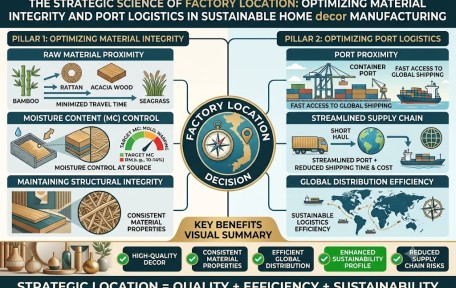
Vietnam's unique topography and tropical monsoon climate create the absolute perfect storm for cultivating premium Acacia—specifically the Acacia mangium and Acacia auriculiformis species, as well as their highly resilient hybrid variants. Unlike Acacia grown in more arid or temperate zones, Vietnamese Acacia benefits from distinct wet and dry seasons. This climatic rhythm forces the trees to develop incredibly dense, tight growth rings, significantly increasing the wood's overall density, structural integrity, and Janka hardness rating. The soil composition in Vietnam's central and northern highlands is rich in essential minerals, which contributes to the wood's naturally high oil content. This natural oil acts as an intrinsic barrier against moisture, rot, and insect infestation, making Vietnamese Acacia exceptionally durable and uniquely suited for both high-end indoor furniture and robust outdoor applications. Furthermore, Acacia is a leguminous plant; it actively fixes atmospheric nitrogen into the soil, regenerating degraded landscapes and leaving the earth healthier than before it was planted. This makes Acacia a cornerstone of regenerative agriculture in Vietnam.
Advanced Processing: The Science of Perfection
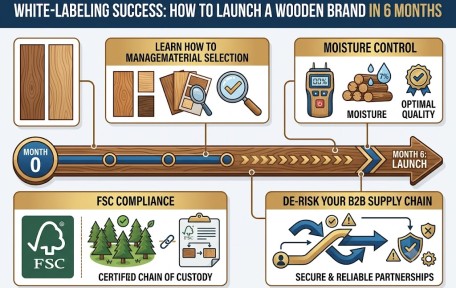
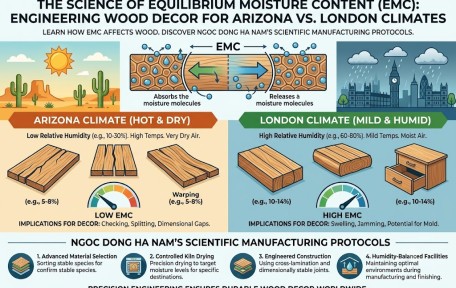
However, superior raw material is only half the equation. The true differentiator of Vietnamese Acacia—and a core focus of our operations at Ngoc Dong Ha Nam—lies in the sophisticated, technologically advanced processing techniques we employ. Historically, fast-growing woods were plagued by issues of warping, cracking, and dimensional instability. Vietnam solved this through state-of-the-art kiln drying and moisture control technologies. When Acacia is harvested, it contains a high percentage of natural moisture. If not dried correctly, the wood will fail in the varied climates of North America or Europe. In Vietnam's premier facilities, the timber undergoes a meticulous, multi-stage kiln-drying process, bringing the moisture content down to a precise, globally standardized 8% to 12%. This slow, controlled drying stabilizes the cellular structure of the wood, permanently eliminating the risk of splitting or warping. Following the drying phase, the wood is treated with eco-friendly, non-toxic sealants that enhance its natural grain while adhering strictly to global chemical safety standards like REACH.
The Certification Ecosystem: FSC, BSCI, and SMETA
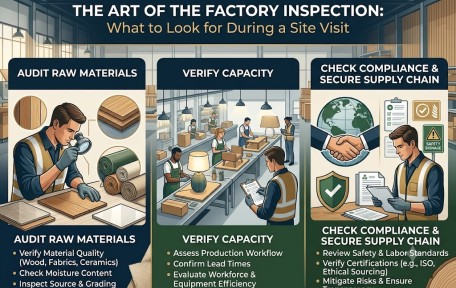
In the B2B world, trust is currency, and trust is built on verifiable certifications. Vietnam has aggressively pursued and secured the highest levels of international compliance, turning its Acacia supply chain into a fortress of ethical and sustainable practices. At Ngoc Dong Ha Nam, we do not just talk about sustainability; we prove it. Our Acacia is 100% FSC (Forest Stewardship Council) certified. This guarantees that every single log can be traced back to a responsibly managed forest that provides environmental, social, and economic benefits. But our commitment goes far beyond the forest. We understand that true sustainability encompasses human rights and ethical labor practices. That is why our manufacturing facilities undergo rigorous, independent audits for BSCI (Business Social Compliance Initiative) and SMETA (Sedex Members Ethical Trade Audit). These certifications ensure fair wages, safe working conditions, zero forced labor, and strict environmental management within our factories. When global buyers source Acacia from us, they are not just buying wood; they are buying peace of mind, knowing their supply chain is immune to the ethical scandals that plague lesser-regulated markets.
Synergy with Natural Materials
A crucial aspect of Vietnam's solution is the integration of Acacia with other indigenous, sustainable materials. The global home decor trend leans heavily into biophilic design—connecting indoor spaces with nature through rich textures and organic forms. Vietnamese artisans and manufacturers excel at combining the solid, robust elegance of Acacia timber with the intricate, woven beauty of Bamboo, Seagrass, Rattan, and Water Hyacinth. At Ngoc Dong Ha Nam, we leverage our deep expertise in these natural fibers to create spectacular, mixed-material product lines. An Acacia wood dining chair might feature a beautifully hand-woven Rattan backrest; an Acacia coffee table might incorporate Seagrass detailing. This synergy not only creates unique, high-value designs that captivate interior designers, but it also maximizes the use of rapidly renewable resources, further reducing the carbon footprint of the final product. Vietnam has essentially created a comprehensive, one-stop ecosystem for sustainable, luxury home decor.
Unmatched Quality, Aesthetic Brilliance, and Global Market Impact: The Results
The results of Vietnam's strategic investment in Acacia cultivation and processing have been nothing short of revolutionary for the global B2B market. By transforming a fast-growing, regenerative species into a premium, high-performance hardwood, Vietnam has completely reshaped the economics and aesthetics of the international furniture industry. The impact is visible in the showrooms of the world's leading home decor brands, in the portfolios of elite interior designers, and in the radically improved sustainability reports of major global retailers. Let us examine the tangible results and the profound impact this 'super timber' has delivered to the market.
Aesthetic Brilliance: The Look of Luxury
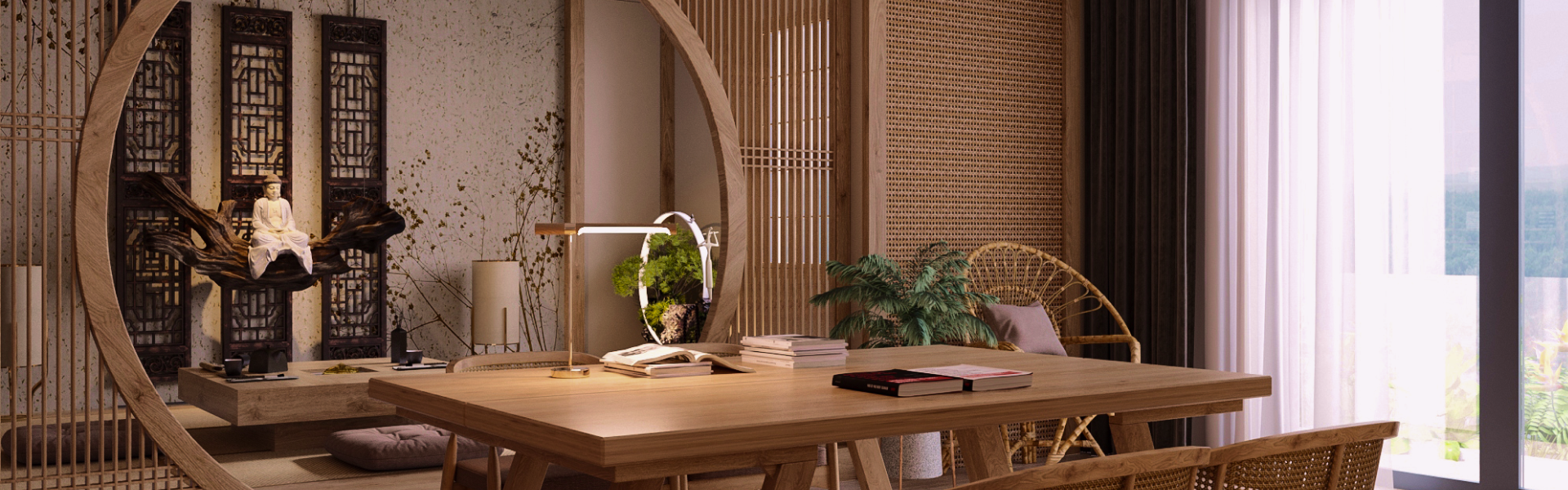
First and foremost, Vietnamese Acacia has shattered the misconception that sustainable, fast-growing wood must compromise on beauty. The aesthetic results are spectacular. The unique climate of Vietnam produces Acacia with a mesmerizing, interlocking grain pattern that rivals the most expensive exotic hardwoods. The wood boasts a rich, dynamic color palette, ranging from warm golden ambers to deep, luxurious mahogany tones, often featuring striking 'tiger-stripe' variations that give each piece of furniture a unique, bespoke character. Interior designers covet this visual texture because it brings immediate warmth, authenticity, and a touch of the organic into modern spaces. Whether finished with a clear, matte lacquer to highlight its natural raw beauty, or stained to match specific design palettes, Vietnamese Acacia takes finishes exceptionally well, providing a flawless, high-end surface that appeals to the most discerning global consumers.
Uncompromising Durability and Performance
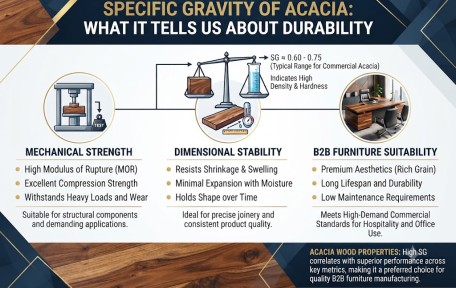
Beyond its beauty, the structural results of Vietnamese Acacia are extraordinary. Thanks to the dense growth rings and advanced kiln-drying processes discussed earlier, this timber offers exceptional dimensional stability. It boasts a Janka hardness rating that frequently surpasses that of standard Oak or Teak, making it incredibly resistant to scratches, dents, and everyday wear and tear. This makes it an ideal choice for high-traffic environments like commercial hospitality projects, boutique hotels, and bustling family homes. Furthermore, its naturally high oil content provides inherent weather resistance. Global buyers who previously relied on wildly expensive Teak for their outdoor furniture collections have seamlessly transitioned to Vietnamese Acacia. When properly treated, Acacia outdoor furniture withstands rain, UV exposure, and fluctuating temperatures with remarkable resilience, offering end-consumers decades of reliable use.
Transforming the B2B Supply Chain
The operational and financial impacts for B2B buyers have been equally transformative. By partnering with certified Vietnamese manufacturers like Ngoc Dong Ha Nam, global brands have solved their most pressing supply chain headaches. The rapid growth cycle of Acacia (harvestable in 7 to 10 years, compared to 50+ years for traditional hardwoods) ensures a consistent, scalable, and reliable supply of raw material. This elasticity stabilizes pricing, allowing procurement officers to lock in long-term contracts without the fear of sudden, crippling market fluctuations. Brands that have switched to Vietnamese Acacia consistently report significant reductions in raw material costs—often up to 30%—while simultaneously upgrading their product quality and durability metrics. This powerful combination of lower costs and higher quality dramatically improves profit margins across the board.
Achieving Corporate Sustainability Goals
Perhaps the most critical result in today's market is the impact on corporate sustainability and ESG (Environmental, Social, and Governance) goals. By sourcing FSC-certified Acacia from BSCI and SMETA audited facilities in Vietnam, global brands instantly elevate their environmental credentials. They can confidently market their products as 100% sustainable, backed by the most rigorous global standards. This transparency builds immense brand loyalty among eco-conscious consumers and protects companies from the severe financial and reputational risks associated with greenwashing. The carbon sequestration of the Acacia plantations, combined with the regenerative agricultural practices, means that buyers are actively contributing to global climate solutions with every purchase order.
Your Strategic Partner: Ngoc Dong Ha Nam
In conclusion, Vietnam does not just produce Acacia; it produces the world's highest quality, most ethically sound, and technologically advanced Acacia timber. It is a triumph of sustainable engineering. For global buyers, procurement directors, and interior designers, the mandate is clear: transitioning to Vietnamese Acacia is no longer just an eco-friendly option; it is a strategic commercial imperative. At Ngoc Dong Ha Nam, we stand ready to be your definitive partner in this journey. With our deep-rooted expertise in FSC Acacia, our mastery of complementary natural materials like Bamboo, Seagrass, Rattan, and Water Hyacinth, and our unwavering commitment to BSCI and SMETA standards, we provide a seamless, risk-free pathway to sourcing the finest sustainable home decor in the world. Elevate your brand, secure your supply chain, and inspire your customers. Partner with Ngoc Dong Ha Nam today, and let us build a more beautiful, sustainable future together.
Frequently Asked Questions
What makes Vietnamese Acacia superior to Acacia sourced from other global regions?
Vietnamese Acacia is vastly superior due to the country's unique tropical monsoon climate, which forces the trees to develop tighter, denser growth rings. This results in a harder, more durable wood with a striking, interlocking grain pattern. Furthermore, Vietnam's advanced, multi-stage kiln-drying technology ensures the moisture content is perfectly stabilized at 8-12%, preventing the warping and cracking often seen in lesser-quality Acacia.
How does Acacia timber compare to traditional premium hardwoods like Teak or Oak?
Acacia offers a comparable, and sometimes superior, Janka hardness rating to Oak, making it highly resistant to scratches and dents. While Teak is traditionally the gold standard for outdoor use, Vietnamese Acacia possesses naturally high oil levels that provide excellent weather resistance at a fraction of the cost. Aesthetically, Acacia delivers rich, warm tones and dynamic grain patterns that rival the most expensive exotic hardwoods, making it a highly sought-after alternative for interior designers.
Is Ngoc Dong Ha Nam's Acacia timber fully certified for the European and North American markets?
Absolutely. At Ngoc Dong Ha Nam, we mandate strict adherence to global standards. Our Acacia timber is 100% FSC (Forest Stewardship Council) certified, ensuring sustainable and regenerative forestry practices. Additionally, our manufacturing facilities are rigorously audited and certified by BSCI and SMETA, guaranteeing ethical labor practices, fair wages, and safe working conditions. This provides global B2B buyers with total supply chain transparency and zero risk of greenwashing.
Can Acacia wood be effectively combined with other natural materials in furniture design?
Yes, and this is a major trend in global home decor. Vietnamese artisans excel at mixed-material design. At Ngoc Dong Ha Nam, we frequently integrate the solid structural elegance of Acacia with the organic textures of Bamboo, Rattan, Seagrass, and Water Hyacinth. This biophilic design approach creates highly unique, luxurious, and eco-friendly products that appeal strongly to modern consumers.
Why is the rapid growth cycle of Acacia an advantage for B2B procurement?
Traditional hardwoods take 50 to 100 years to mature, leading to supply scarcity and extreme price volatility. Acacia reaches harvest maturity in just 7 to 10 years. This rapid regeneration ensures a highly scalable, consistent, and reliable supply chain. For B2B buyers, this means stable, predictable pricing, shorter lead times, and the ability to rapidly scale production to meet shifting market demands without depleting natural resources.