
The Complete Guide to Food-Safe Standards: FDA, LFGB, and Beyond
In an era of radical transparency and tightening regulations, professional procurement officers in the US and EU markets are no longer just looking for a product; they are looking for verified safety. For acacia woodware—a category that bridges the gap between natural aesthetics and functional durability—understanding the nuances between FDA (USA) and LFGB (Germany/EU) standards is the ultimate tool for supply chain risk management.
At Simply Acacia, we believe that food safety is the cornerstone of premium manufacturing. This guide provides a scientific deep dive into the regulatory frameworks that govern our industry and why they matter to your bottom line.
1. The Anatomy of "Food-Safe" Woodware: Why Material Science Matters
Before diving into the legalities, we must address the biological nature of wood. Unlike inert materials like stainless steel, acacia is a living, porous substrate. Its safety for food contact depends on three critical vectors:
1. The Raw Material: Does the species contain natural toxins or sap that could leach into food? (Acacia is globally recognized as a safe, non-toxic hardwood).
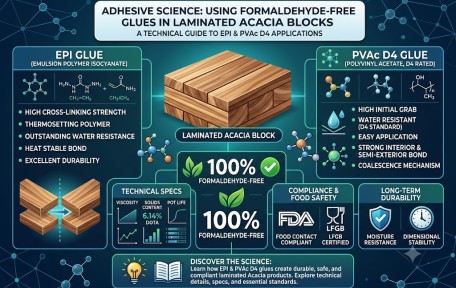
2. Adhesives: For edge-grained or end-grained products like cutting boards and bowls, the glue must be non-toxic and moisture-resistant.
3. Surface Finishes: Whether it is a natural oil or a lacquer, the finish is the primary barrier between the food and the wood fibers.
For a buyer, a failure in any of these vectors leads to Product Recalls, massive financial liability, and irreparable brand damage.
2. The US Standard: FDA 21 CFR Framework
In the United States, the Food and Drug Administration (FDA) regulates food contact materials under Title 21 of the Code of Federal Regulations (CFR).
2.1. Wood as "GRAS" (CFR 178.3800)
The FDA generally recognizes wood as safe (GRAS) provided it is free from pesticides and harmful preservatives. However, the real scrutiny begins with CFR 175.300, which covers resinous and polymeric coatings.
2.2. Migration and Extraction Testing
For acacia products exported to the US, testing focuses on Extractives. When woodware comes into contact with different food types (acidic, alcoholic, or fatty), the lab measures the amount of chemical components that migrate from the finish into the food stimulant.
- The Benchmark: Total extractives must not exceed specific limits (e.g., 0.5 mg/in² for certain coatings) to ensure no chemical transfer occurs during typical use.
3. The LFGB Standard: The "Gold Standard" of European Safety
While the US focuses on chemical lists, the German LFGB (Lebensmittel-, Bedarfsgegenstände- und Futtermittelgesetzbuch) is arguably the most stringent food-safety standard in the world.
3.1. Beyond EU 1935/2004
While Regulation (EC) No 1935/2004 provides the general framework for the EU, LFGB adds layers of testing that are specifically designed for consumer protection.
3.2. The Sensory Test (The Flavor/Odor Integrity)
This is where many manufacturers fail. LFGB requires a Sensory Evaluation to ensure the product does not alter the smell or taste of the food. Acacia wood, characterized by its low natural odor and high density, typically performs exceptionally well in these tests compared to high-tannin woods like Oak or resinous woods like Pine.
3.3. Specific Chemical Bans
- PCP (Pentachlorophenol): Strictly banned under LFGB. It is often found in substandard wood preservatives.
- Formaldehyde: Rigorous testing for emission levels from adhesives in laminated acacia products.
- Heavy Metals: Testing for Lead, Cadmium, and Mercury in any pigments or finishes used.
4. Competitive Analysis: FDA vs. LFGB
|
Feature |
FDA (USA) |
LFGB (Germany/EU) |
|
Philosophy |
List-based compliance (permissive substances). |
Performance-based (actual migration results). |
|
Sensory Testing |
Not strictly required for wood. |
Mandatory (Odor and Taste test). |
|
Difficulty Level |
Moderate. |
High / Very High. |
|
Global Acceptance |
Primarily North America. |
Recognized globally as the ultimate mark of quality. |
The Simply Acacia Edge: We manufacture our products to meet the LFGB standard by default. If a product passes LFGB, it inherently exceeds FDA requirements, giving our partners total peace of mind for global distribution.
5. Beyond Food Safety: Managing Holistic Legal Risks
A professional buyer must look beyond migration tests to cover the full spectrum of modern compliance:
5.1. REACH Compliance
The EU's REACH regulation controls chemicals in all consumer goods. For acacia woodware, this ensures that no "Substances of Very High Concern" (SVHC) are present in the packaging or the product itself.
5.2. DGCCRF (France)
France has specific guidelines (Information Note n° 2012-93) for wood. They require specific botanical identification and stricter controls on certain types of resin used in wood-composite housewares.
5.3. FSC® and Sustainability
In the 2026 market, Safety = Sustainability. An acacia bowl that is chemically safe but illegally harvested creates a violation of the Lacey Act (US) or the EUDR (EU Deforestation Regulation). At Simply Acacia, we integrate FSC-certified timber to ensure the "Safety" extends to the environment and the law.
6. Why Acacia is the Scientific Choice for Food Contact
Beyond its beautiful grain, the physical properties of acacia make it a superior choice for compliance-heavy markets:
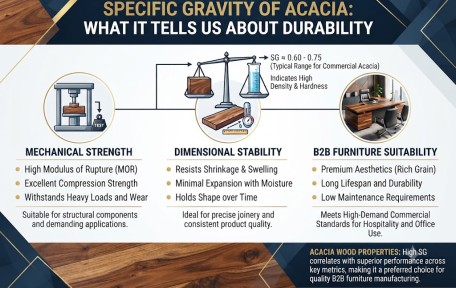
- High Lignin Content: This provides natural resistance to water absorption, reducing the risk of bacterial growth and warping.
- Structural Stability: High-density acacia is less prone to "micro-cracking." Cracks are the primary site for chemical leaching and bacterial buildup.
- Low Volatile Organic Compounds (VOCs): Unlike some softwoods, acacia has low natural resin levels, making it easier to pass the LFGB sensory tests.
7. The Procurement Checklist: How to Verify Your Supplier
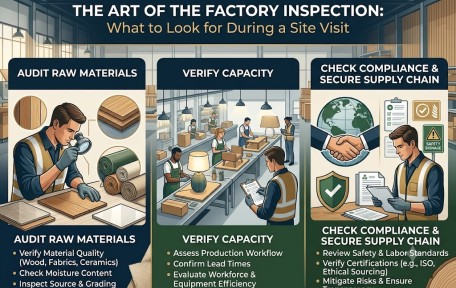
When auditing a factory in Vietnam or elsewhere, a professional buyer should demand a Technical File containing:
1. Declaration of Compliance (DoC): A formal document where the manufacturer takes legal responsibility for compliance.
2. Recent Test Reports: Results from accredited third-party labs (SGS, Intertek, TUV, or Bureau Veritas) dated within the last 12 months.
3. Bill of Materials (BOM): A detailed list of all glues and oils used, backed by their respective MSDS (Material Safety Data Sheets).
Conclusion: Partnering for Global Excellence
Compliance is not a cost; it is an investment in brand equity. For acacia woodware, navigating the complexities of FDA, LFGB, and REACH requires a manufacturer that speaks the language of science and law.
At Simply Acacia, we don't just create beautiful kitchenware; we engineer safety. By choosing a partner who prioritizes these rigorous standards, you ensure that your products move seamlessly through customs, onto retail shelves, and safely into the homes of consumers worldwide.
About the Author
An expert in international B2B marketing with over 20 years of experience in global market. We specialize in bridging the gap between high-capacity Vietnamese manufacturing and the strict regulatory demands of the US and European markets.