The Essential Guide to Woodware Quality Control: Our 5-Step Inspection System
The Era of Radical Transparency in B2B Procurement
In an era of radical transparency and tightening global regulations, professional procurement officers and interior designers in the US and EU markets are no longer just looking for a beautiful product; they are looking for verified consistency. For natural home decor and woodware—a category that bridges the gap between organic aesthetics and functional durability—understanding the nuances of rigorous quality control is the ultimate tool for supply chain risk management.
At Ngoc Dong Ha Nam, we believe that unwavering quality is the cornerstone of premium manufacturing. This guide provides a scientific deep dive into our proprietary 5-Step Inspection System, the regulatory frameworks that govern our industry, and why mastering these elements matters to your bottom line.
1. The Anatomy of Flawless Woodware: Why Material Science Matters
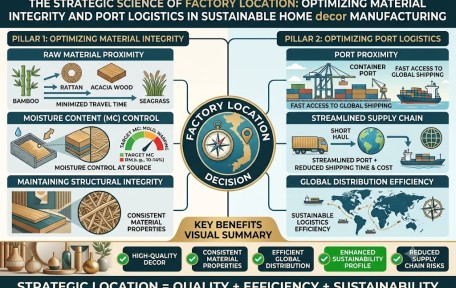
Before diving into the inspection protocols, we must address the biological nature of our core materials. Unlike inert materials like plastic or stainless steel, natural fibers such as Acacia, Bamboo, Rattan, Seagrass, and Water Hyacinth are living, porous substrates. Their structural integrity and safety depend on three critical vectors:
- The Raw Material: Is the species harvested at the right maturity to prevent natural degradation? (Our Acacia and Bamboo are globally recognized for their high density and structural stability).
- Adhesives and Bindings: For woven products or edge-grained woodware, the glues and structural frames must be non-toxic, moisture-resistant, and climate-adaptable.
- Surface Finishes: Whether it is a natural oil, lacquer, or water-based paint, the finish is the primary barrier between the environment and the natural fibers.
For a global buyer, a failure in any of these vectors leads to elevated defect rates, massive financial liability, and irreparable brand damage.
2. Step 1 & 2: Raw Material Verification and Moisture Calibration
In the high-stakes world of global home decor, quality control begins long before the assembly line. Our first two steps focus entirely on the foundational substrate.
2.1. Raw Material Grading (Step 1)
Every batch of Acacia, Bamboo, and natural weaving fiber (Rattan, Seagrass) undergoes strict botanical identification and visual grading. We screen for natural defects such as excessive knots, pest damage, or irregular grain patterns. Wood that does not meet our premium grade is immediately rejected or repurposed, ensuring only the highest-tier materials enter the production cycle.
2.2. Moisture Content (MC) Calibration (Step 2)
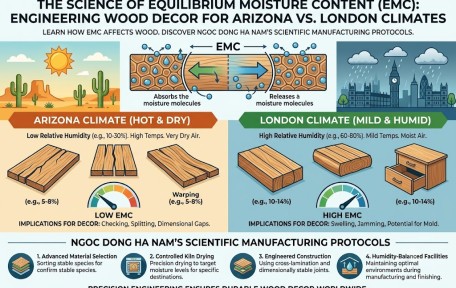
The single greatest threat to woodware exported to diverse climates is improper moisture content. When woodware travels from the humid climate of Vietnam to the dry winters of North America or Europe, it can warp or crack if not properly calibrated.
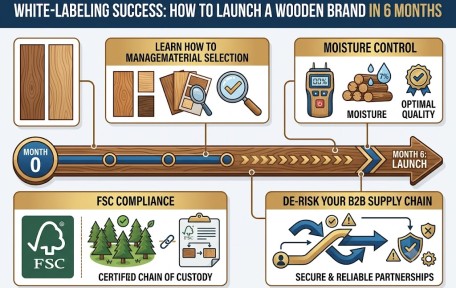
The Benchmark: We utilize state-of-the-art kiln drying technology to bring the Moisture Content of our Acacia and Bamboo down to a strict 8% to 12%. Each piece is tested with specialized digital moisture meters before it is cleared for shaping. This scientific precision prevents "micro-cracking," which is the primary site for structural failure and bacterial buildup.
3. Step 3 & 4: Structural Integrity and Surface Finishing
Once the material is stabilized, the manufacturing process begins. Our mid-line inspections ensure that the physical construction meets international ergonomic and safety standards.
3.1. Precision Assembly and Adhesives (Step 3)
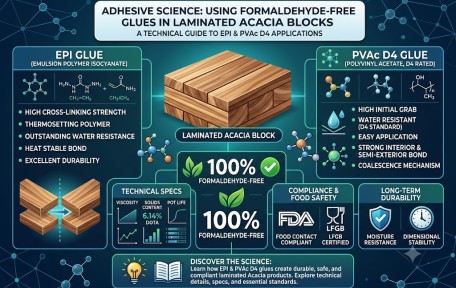
During assembly, our QC engineers conduct rigorous stress tests. For woven items like Rattan and Water Hyacinth baskets, we test the tensile strength of the weave and the rust-resistance of the internal iron frames. For Acacia woodware, we inspect the joint integrity. We exclusively use LFGB and FDA-compliant, formaldehyde-free adhesives, ensuring that our laminated and edge-grained products are completely non-toxic.
3.2. Surface Finishes and Sensory Testing (Step 4)
This is where many manufacturers fail. We conduct comprehensive visual and sensory evaluations on all lacquers and oils. The finish must be uniformly applied, free of drips, and completely cured.
Furthermore, we perform a mandatory Sensory Evaluation to ensure the product does not emit volatile organic compounds (VOCs) or alter the ambient odor of the home environment. Acacia wood, characterized by its low natural odor, performs exceptionally well in these tests compared to high-tannin or highly resinous woods.
4. Step 5: Final Packaging and Global Compliance Verification
The final step in our inspection system guarantees that the product survives the arduous journey of global logistics.
4.1. The Drop Test and Micro-Climate Control (Step 5)
Before any container is sealed, the packaged goods undergo standard ISTA drop testing to verify the resilience of the master cartons. Additionally, we insert high-grade silica gel desiccants and utilize anti-mold paper to create a controlled micro-climate within the packaging, neutralizing the risk of humidity damage during ocean transit.
The Ngoc Dong Ha Nam Edge: We manufacture our products to meet the highest global standards by default. Our internal 5-Step System is designed to inherently exceed standard AQL (Acceptable Quality Limit) 2.5/4.0 requirements, giving our B2B partners total peace of mind for global distribution.
5. Beyond Basic QC: Managing Holistic Legal Risks
A professional buyer must look beyond basic defect rates to cover the full spectrum of modern compliance. In 2026, a high-quality product that is unethically sourced is a liability.
5.1. Ethical Manufacturing (BSCI & SMETA)
Quality extends to the quality of life of our artisans. Ngoc Dong Ha Nam is proudly audited under BSCI (Business Social Compliance Initiative) and SMETA (Sedex Members Ethical Trade Audit). These certifications guarantee fair labor practices, safe working conditions, and transparent supply chain management.
5.2. FSC® and Sustainability
In today's market, Safety = Sustainability. An acacia bowl or bamboo basket that is structurally perfect but illegally harvested creates a direct violation of the Lacey Act (US) or the EUDR (EU Deforestation Regulation). At Ngoc Dong Ha Nam, we integrate FSC-certified timber (Forest Stewardship Council) to ensure that your procurement strategy is legally bulletproof and environmentally regenerative.
6. Why Natural Materials are the Scientific Choice for Home Decor
Beyond their beautiful textures, the physical properties of our core materials make them superior choices for compliance-heavy markets:
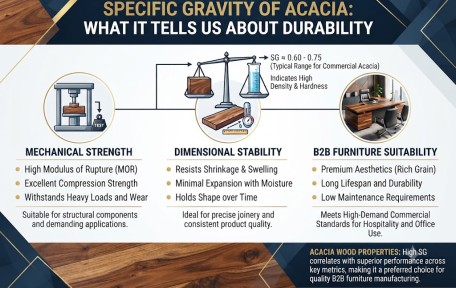
- Acacia Wood: High lignin content provides natural resistance to water absorption. Its structural stability makes it highly resistant to warping, ensuring long-term aesthetic value.
- Bamboo: With a tensile strength rivaling steel, bamboo is an ultra-renewable resource that offers exceptional durability and a highly consistent grain structure for modern minimalist designs.
- Rattan, Seagrass & Water Hyacinth: These fast-growing aquatic and climbing plants are naturally flexible yet incredibly robust when woven. They provide the highly sought-after biophilic design aesthetic while maintaining a minimal carbon footprint.
7. The Procurement Checklist: How to Verify Your Supplier
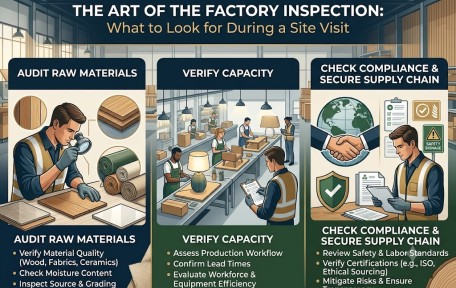
When auditing a factory in Vietnam or elsewhere, a professional buyer should demand a Technical File containing:
- 1. Standardized QC Reports: Detailed documentation of inline and final inspections, including precise Moisture Content readings.
- 2. Ethical Audit Summaries: Valid and up-to-date BSCI or SMETA audit reports.
- 3. Chain of Custody (CoC): Valid FSC® certificates proving the sustainable origin of the raw materials.
- 4. Bill of Materials (BOM): A detailed list of all glues, paints, and oils used, backed by their respective MSDS (Material Safety Data Sheets) to ensure REACH and FDA/LFGB compliance.
Conclusion: Partnering for Global Excellence
Compliance and quality control are not costs; they are investments in brand equity. For woodware and natural home decor, navigating the complexities of moisture calibration, material science, and global ethical standards requires a manufacturer that speaks the language of science and law.
At Ngoc Dong Ha Nam, we don't just create beautiful interior decor; we engineer reliability. By choosing a partner who prioritizes this rigorous 5-Step Inspection System, you ensure that your products move seamlessly through customs, onto retail shelves, and beautifully into the homes of consumers worldwide.
Frequently Asked Questions
What is the ideal moisture content for woodware exported to the US and EU?
The ideal moisture content for exported woodware, such as Acacia and Bamboo, is strictly between 8% and 12%. This scientific calibration prevents warping, micro-cracking, and mold growth when transitioning between different global climates.
How does Ngoc Dong Ha Nam ensure its natural home decor products are sustainable?
We integrate FSC-certified timber and rapidly renewable materials like Bamboo, Rattan, Seagrass, and Water Hyacinth into our production. Furthermore, our supply chain is audited under BSCI and SMETA to ensure ethical labor practices and holistic sustainability.
What kind of adhesives and finishes are used in your woodware products?
We exclusively use formaldehyde-free, non-toxic adhesives and finishes that comply with stringent international safety frameworks, including REACH, FDA, and LFGB standards, ensuring they are entirely safe for consumer homes.
Why is the ISTA drop test important for B2B procurement?
The ISTA drop test simulates the physical hazards of global shipping. By passing this test, we verify that our master cartons and internal packaging provide maximum protection, minimizing transit damage and reducing financial liability for our B2B partners.