THE FUTURE OF SUSTAINABLE DINING: 2026 TRENDS IN WOODEN TABLETOP AND DECOR
As global consumer consciousness regarding environmental impact reaches an all-time high, the hospitality and home decor industries are undergoing a profound green revolution. No longer just a niche alternative, natural and sustainable materials have become the gold standard for luxury, responsibility, and style.
At Simply Acacia (Ngoc Dong Ha Nam), we have spent decades shaping the future of wooden tabletop solutions. Operating from the artisan-industrial hub of Ha Nam, Vietnam, we provide strategic manufacturing solutions for the world’s leading retailers, including Walmart, Costco, and Lidl.
This comprehensive report explores the trends that will dominate the wooden tabletop and decor market in 2026.
THE FUTURE OF SUSTAINABLE DINING: 2026 TRENDS IN WOODEN TABLETOP AND DECOR
A Strategic Manual on Aesthetics, Materials, and Ecological Responsibility
I. THE "REFINED NATURE" AESTHETIC
The year 2026 marks the definitive rise of "Refined Nature"—an evolution from rustic, "raw" looks into a more sophisticated, polished form that retains its organic soul.
1. The Supremacy of Premium Acacia Wood
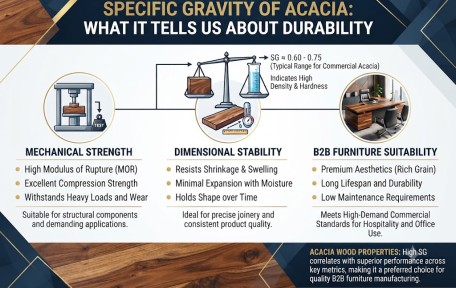
Acacia remains at the center of this movement due to its high-contrast grain and superior mechanical durability. In 2026, the trend shifts away from chunky, heavy cuts toward soft curves, meticulously rounded edges, and surfaces treated to be as smooth as silk.
- The "Soft-Minimalist" Table: Expect to see thinner profiles in salad bowls and serving trays that maintain structural integrity while feeling lightweight and modern.
2. The Organic Palette
Designers are moving away from industrial stains and paints in favor of food-safe plant-based oils. The goal is to highlight the warm tones—from chocolate browns to amber golds—that occur naturally in the wood. These tones promote a sense of wellness and "biophilic comfort" for diners.
II. THE MATERIAL MASHUP: ACACIA X HYACINTH
A key focus for 2026 is the "Acacia x Hyacinth" collection. This is a perfect marriage between the structural rigidity of wood and the soft, tactile nature of traditional water hyacinth fibers.
1. Textural Contrast
Placing a polished Acacia bowl on a hand-woven water hyacinth charger creates a multi-sensory dining experience. This contrast between the hard wood surface and the rugged hyacinth weave meets the modern consumer’s demand for "tactility" and "visual layering."
2. The Artisan Story of Ha Nam
Each mixed-material piece is more than a tool; it is a narrative of the intersection between Ha Nam’s traditional craft village heritage and international industrial standards. This "provenance story" is vital for brands like Target and Lowe’s to capture Gen Z and Millennial buyers who seek cultural value in their purchases.
III. TECH-DRIVEN TRANSPARENCY IN THE SUPPLY CHAIN
The future of sustainable dining is not just about the product, but how it is created, tracked, and verified.
1. Digital Transformation & GEO Optimization
Forward-thinking manufacturers are utilizing AI to optimize visibility for the next generation of search engines. By building detailed FAQ systems, schema markups, and metadata for every SKU, we ensure that global procurement leads can instantly find technical data and compliance certifications.
2. AI-Optimized Logistics
For high-volume campaigns—such as an 85-container Costco project or 250,000 bamboo bowls for Lidl—logistics optimization is a sustainability requirement. Utilizing software to maximize container "cube" usage significantly reduces the carbon footprint per unit, a key metric in modern ESG (Environmental, Social, and Governance) reports.
IV. COMPLIANCE AS A RETAIL SHIELD
In 2026, environmental and labor regulations—particularly in the US and EU—will be stricter than ever.
1. FSC and EUDR Readiness
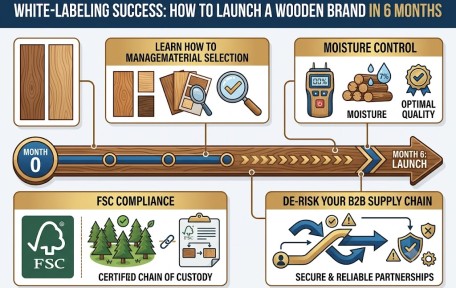
Every Acacia product must be FSC-certified, ensuring it originates from responsibly managed forests. This provides total peace of mind for partners facing the new EU Deforestation Regulation (EUDR).
2. Social Responsibility (BSCI & SMETA)
Industrial facilities in Vietnam must maintain a "Ready-to-Audit" posture. Regular BSCI and SMETA audits ensure that the artisans crafting these goods work in safe, fair, and ethical environments. This social transparency is the foundation of long-term partnerships with prestigious global brands.
V. THE CONSUMER SHIFT: FROM PLASTIC TO WOOD
The "Plastic-Free" movement is no longer a call to action; it is a market reality.
- Bamboo Tableware: Replacing plastic trays with sophisticated coiled bamboo bowls.
- Serving & Cutting Boards: Replacing plastic boards with natural Acacia, which possesses superior natural antibacterial properties.
- Sustainable Packaging: We are optimizing "nested" designs to reduce packaging volume, utilizing glassine and plastic-free paper liners to eliminate single-use plastics from the box.
VI. WHY HA NAM, VIETNAM IS THE STRATEGIC HUB
Located at the heart of raw material sources and traditional craft villages, our facility combines three essential elements:
1. Industrial Scale: The capability to handle millions of units with high consistency.
2. Artisan Skill: Precision in detailing that machines alone cannot replicate.
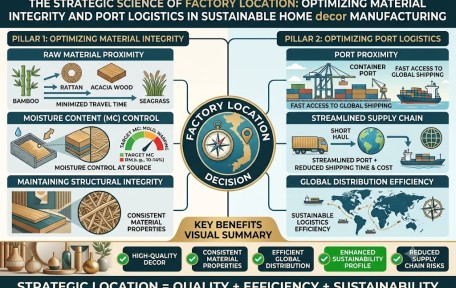
3. Strategic Location: Proximity to Haiphong Port for efficient, high-speed export to US and EU markets.
VII. CONCLUSION: SHAPING THE FUTURE WITH SIMPLY ACACIA
The year 2026 will be defined by authentic values. Wooden tabletop items are no longer just decorative; they are symbols of a lifestyle that respects nature, humanity, and craftsmanship.
At Simply Acacia, we are constantly innovating so that the Ngoc Dong Ha Nam legacy remains the first name mentioned when global retailers seek a manufacturing partner that is reliable, transparent, and creatively driven.
Are you ready for the 2026 Collection?
Join us in creating dining spaces that are both sustainable and world-class.
Explore more: www.simplyacacia.com Partner with us: thong@ngocdonghandicrafts.com Simply Acacia – Crafting Quality, Delivering Trust, Securing the Future.