The Master Guide to Acacia Wood Grain and Natural Color Variations
In the high-end housewares markets of the US and Europe, Acacia wood has emerged as a top-tier material, prized for its unique blend of extreme durability and dramatic visual appeal. However, for professional procurement officers, the greatest challenge often lies not in technical quality, but in managing the natural variance of wood grain and color.
At Simply Acacia, we view every product as a masterpiece of geology and biology. This guide provides a deep dive into wood grain structures, color spectrums, and how procurement managers can standardize natural beauty for large-scale retail chains.
1. The Biological Foundation: Why No Two Pieces Are Identical
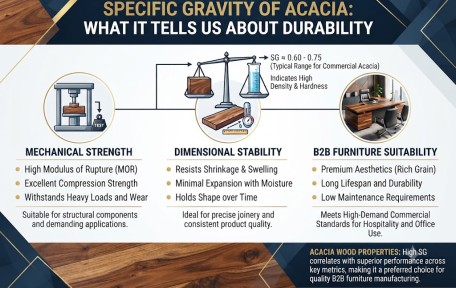
Acacia is a vast genus with over 1,300 species, but the varieties used in premium housewares—typically Acacia Mangium or Acacia Auriculiformis—possess a fascinating growth profile. They offer the density of slow-growth hardwoods despite being a fast-growing, sustainable resource.
1.1. Heartwood vs. Sapwood
The most striking contrast in Simply Acacia products stems from this biological division:
- Heartwood: The older, inner core of the tree. It is rich in organic compounds (extractives) that create deep brown, chocolate, or mahogany hues. This is the densest and most rot-resistant part of the wood.
- Sapwood: The younger, outer layer responsible for transporting nutrients. It is characterized by light cream or pale yellow tones.
Strategic Insight for Buyers: The presence of light sapwood streaks against dark heartwood is not a sign of "young wood" but a biological signature of authentic Acacia. Many "Rustic" or "Natural" collections specifically curate this high-contrast look.
2. Decoding Signature Grain Patterns
Acacia’s grain is a record of the tree's growth history. At Simply Acacia, we categorize grain into three primary groups based on milling techniques:
2.1. Straight Grain
Produced when the wood is quarter-sawn. This pattern offers a modern, minimalist aesthetic and provides the highest structural stability, making it the least prone to warping.
2.2. Interlocked Grain
This is an Acacia specialty. The wood fibers grow in zig-zagging directions. When planed smooth, it creates a Chatoyancy effect—a cat-eye-like shimmer where the wood appears to change shades when viewed from different angles.
2.3. Wavy & Curly Grain
Usually found near the base of the tree or where large branches fork. These areas possess the highest aesthetic value and are often reserved for Simply Acacia’s limited-edition or premium statement pieces.
3. The Color Spectrum: From Amber Gold to Deep Chocolate
The color of Acacia is never static. It is influenced by three core factors:
1. Soil Mineral Content: Acacia grown in mineral-rich highlands often exhibits darker, more defined color streaks.
2. Tree Maturity: Trees harvested at the optimal window (10–15 years) produce wider heartwood sections and more stable pigmentation.
3. The Kiln Drying Process: At the Simply Acacia facility, kiln drying is an art. Precise temperature control allows natural tannins to oxidize, creating that signature warm glow without the need for artificial dyes or stains.
4. Managing Expectations: What Qualifies as a "Defect"?
In international QA/QC standards, we distinguish between natural characteristics and manufacturing defects to help buyers maintain consistency:
4.1. Acceptable Natural Characteristics
- Mineral Streaks: Dark longitudinal lines caused by mineral uptake from the soil.
- Small Sound Knots: Tight, solid knots that do not compromise structural integrity.
- Color Gradation: The natural transition from brown to yellow on a single surface.
4.2. Rejection Criteria (Manufacturing Defects)
- Dead Knots: Loose or "hollow" knots that can fall out or harbor bacteria.
- Blue Stain: Fungal staining occurring if the wood is not dried immediately after harvesting.
- Structural Cracks: Deep splits that compromise the mechanical safety of the product.
5. The Impact of Finishing on Aesthetics
The true "soul" of Acacia wood is revealed only after the final finish. Simply Acacia prioritizes two primary methods:
- Food-grade Mineral Oil: Enhances the rustic beauty while maintaining the tactile "feel" of the grain. It deepens the natural tones by approximately one shade.
- Beeswax Finish: Provides a soft matte luster, sealing the wood against moisture and softening the visual transition between high-contrast color bands.
6. Strategic Advice for Buyers: Crafting the Story
To reduce customer returns based on "color mismatch," Simply Acacia recommends that retail partners include a standard disclaimer in their marketing:
"Due to the organic nature of Acacia wood, each piece exhibits a unique tapestry of grain patterns and color hues. These natural variations are not defects but certificates of authenticity for genuine hardwood."
7. The Simply Acacia Advantage: Consistency in Nature
We understand that for global retailers, consistency is king. While wood is a product of nature, our grading process ensures:
1. Expert Color Matching: We sort and match wood slats by tone during the lamination process to ensure a harmonious aesthetic.
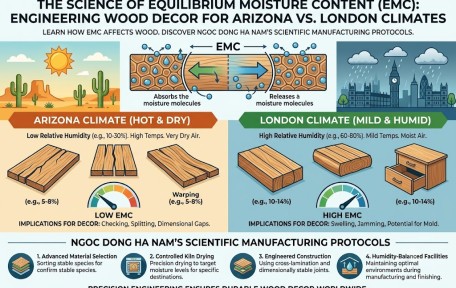
2. Moisture Integrity: Strict kiln-drying to 8-12% moisture content ensures the colors and grain remain stable throughout the shipping process.
At Simply Acacia, we don't just harvest wood; we curate nature’s finest textures for the modern home.