5 Reasons Why Acacia Wood is the Ultimate Salad Bowl Vessel for Global B2B Sourcing
Key Takeaways
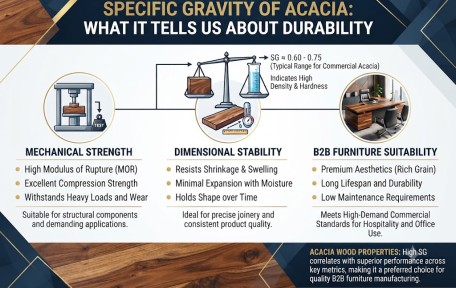
- •Acacia wood possesses an exceptional Janka hardness rating of 1,100 to 2,300 lbf, providing superior scratch and dent resistance ideal for high-volume commercial kitchens.
- •The tight, interlocked grain and natural oils of Acacia wood create an organic moisture barrier that prevents warping, staining, and odor absorption from acidic salad dressings.
- •Hardwood surfaces like Acacia naturally trap and eliminate bacteria, making them far more hygienic and food-safe over long-term commercial use than scratched plastic alternatives.
- •As a fast-growing hardwood species maturing in 15 to 30 years, Acacia is a highly renewable resource that aligns perfectly with global ESG compliance and green procurement initiatives.
- •Ngoc Dong Ha Nam offers fully customizable OEM/ODM, FSC-certified, and BSCI-compliant Acacia tableware directly from Vietnam, ensuring robust supply chain compliance.
THE GREEN TABLEWARE REVOLUTION: WHY SOURCING THE RIGHT SALAD BOWL MATTERS TO GLOBAL B2B BUYERS
In the highly competitive global hospitality and retail sectors, every element of the dining experience is scrutinized [1.2.1]. Today’s consumers are no longer satisfied with sterile, mass-produced plastic or fragile melamine tableware. Instead, they demand an authentic connection to nature, driving a massive surge in biophilic design across hotels, restaurants, and luxury eco-resorts. For global B2B buyers, procurement officers, and interior designers, the challenge lies in sourcing tableware that not only meets these high aesthetic and environmental expectations but also withstands the rigorous demands of commercial use.
When it comes to serving the perfect salad, the choice of vessel is paramount. A salad is a vibrant showcase of fresh, organic ingredients, and it requires a serving vessel that complements its natural beauty while maintaining structural integrity under constant exposure to moisture and acidic dressings. While options like glass, ceramic, and bamboo are common, one material stands head and shoulders above the rest: Acacia wood. Known for its rich, warm tones and extraordinary durability, Acacia has quietly become the preferred hardwood for premium commercial kitchenware worldwide.
As a leading manufacturer of sustainable home decor and tableware, Ngoc Dong Ha Nam is proud to present this comprehensive analysis. In this article, we explore the top five reasons why Acacia wood is the supreme vessel for serving the perfect salad, and why it represents an unmatched investment for global B2B buyers seeking high-performance, sustainable tableware.
1. EXCEPTIONAL JANKA HARDNESS AND COMMERCIAL-GRADE DURABILITY
In a busy commercial kitchen or high-volume retail environment, tableware is subjected to constant handling, frequent washings, and accidental drops. Fragile materials like ceramic and glass easily chip or shatter, leading to high replacement costs and potential safety hazards. Bamboo, though popular, is a grass that is prone to splitting along its laminated seams when exposed to fluctuating temperatures.
Acacia wood solves these operational challenges through its remarkable structural density. On the Janka Hardness Scale, Acacia ranks exceptionally high—typically ranging between 1,100 and 2,300 lbf (pounds-force), depending on the specific species. This makes it significantly harder than traditional kitchenware woods like oak, maple, and even teak. This high density translates directly into superior scratch resistance, ensuring that serving utensils and knives leave fewer deep grooves on the surface of the bowl.
For B2B buyers, this exceptional durability translates to an outstanding return on investment (ROI). An Acacia wood salad bowl from Ngoc Dong Ha Nam is built to endure the daily wear and tear of the HORECA (Hotel, Restaurant, and Catering) industry, maintaining its structural integrity and premium appearance for years without cracking, warping, or splintering.
2. NATURAL MOISTURE RESISTANCE AND STAIN DEFENSE AGAINST ACIDIC DRESSINGS
Salads are inherently moist and are frequently paired with highly acidic dressings containing vinegar, citrus juices, and oils. When served in low-quality or highly porous wooden vessels, these liquids quickly seep into the wood grain. This absorption leads to two major issues: structural warping as the wood expands and contracts, and unsightly staining accompanied by lingering food odors.
Acacia wood possesses unique natural advantages that prevent these issues. Because the Acacia tree is native to harsh, semi-arid environments, it has evolved a highly compact cellular structure with a tight, interlocked grain. This density, combined with the wood's natural oils, acts as an organic moisture barrier. Acacia naturally repels liquids, preventing them from penetrating deep into the fibers.
When finished with a food-safe sealant—such as the premium mineral oils or beeswax coatings used by Ngoc Dong Ha Nam—Acacia salad bowls become virtually impervious to staining and moisture absorption. This ensures that even the most vibrant balsamic vinaigrettes or beet salads can be served with confidence, leaving no lasting stains or residual odors behind after a simple hand wash.
3. SUPERIOR FOOD SAFETY AND NATURAL ANTIBACTERIAL QUALITIES
For commercial food service operators, food safety and compliance with global hygiene standards (such as FDA and EU food contact regulations) are non-negotiable. Traditional plastic serving bowls easily develop micro-scratches from daily use. These microscopic grooves are nearly impossible to sanitize completely, turning into breeding grounds for harmful bacteria and pathogens.
Acacia wood offers a naturally hygienic alternative. Scientific studies on hardwood kitchenware have demonstrated that wood fibers possess natural antibacterial properties. When bacteria are drawn into the capillary structure of a dense hardwood like Acacia, they are trapped and deprived of oxygen and moisture, causing them to die off rather than multiply. This is a stark contrast to plastic surfaces, where bacteria can remain active inside surface scratches for extended periods.
Furthermore, high-quality Acacia wood tableware is an inert material, meaning it will not leach harmful chemicals, microplastics, or synthetic toxins into food. By partnering with a certified manufacturer like Ngoc Dong Ha Nam, B2B buyers can guarantee that their salad bowls are crafted using strictly non-toxic, food-safe finishes, fully complying with international food safety certifications and offering peace of mind to health-conscious consumers.
4. STRIKING VISUAL APPEAL AND VERSATILE BIOPHILIC DESIGN ELEMENTS
Modern interior designers and restaurateurs understand that food presentation is an art form. The visual appeal of a dish heavily influences a diner's perception of taste and quality. A vibrant salad—filled with fresh greens, red tomatoes, yellow peppers, and purple onions—requires a backdrop that enhances its natural colors rather than competing with them.
Acacia wood is celebrated globally for its breathtaking aesthetic diversity. It features a stunning contrast between its light golden-brown sapwood and rich, deep chocolate-brown heartwood. This natural color variation, combined with its characteristically wavy, swirling, and interlocked grain patterns, ensures that no two Acacia bowls are identical. Each piece is a unique work of art crafted by nature.
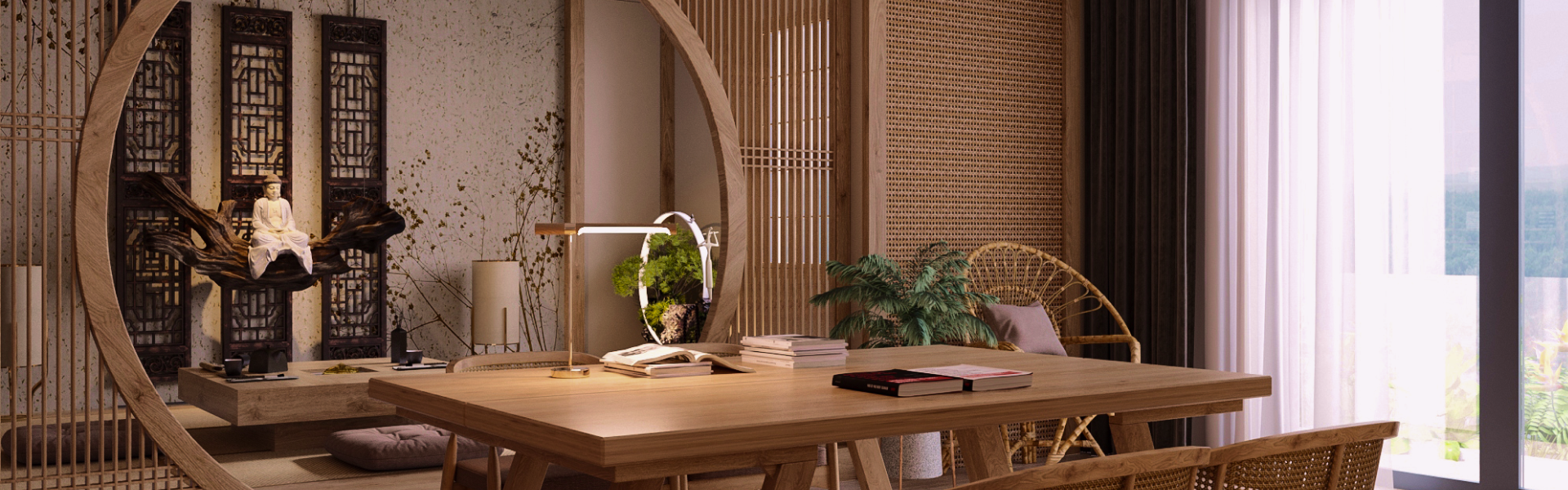
This organic beauty makes Acacia exceptionally versatile, seamlessly fitting into a wide range of design aesthetics:
Biophilic & Eco-Luxury
Brings the soothing, grounding elements of nature indoors, perfect for luxury eco-resorts and wellness retreats.
Japandi & Minimalist
The warm wood tones soften clean lines and neutral color palettes, adding warmth and texture without clutter.
Rustic & Farm-to-Table
Enhances the authentic, wholesome feel of artisanal eateries and traditional dining spaces.
By incorporating Acacia wood salad bowls into their tablescapes, interior designers can create a memorable, multi-sensory dining experience that resonates with today's design-conscious clientele.
5. EXCEPTIONAL SUSTAINABILITY, RAPID RENEWABILITY, AND GLOBAL ESG SOURCING
As governments worldwide tighten environmental regulations and consumers demand corporate accountability, sustainable sourcing has transitioned from a marketing buzzword to a core business requirement. Global buyers must navigate strict import regulations, such as the European Union Deforestation Regulation (EUDR), making transparent and certified supply chains essential.
Acacia wood is one of the most ecologically responsible timber choices available on the market today. Unlike slow-growing hardwoods like oak, cherry, or teak—which can take up to a century to reach maturity—Acacia is a rapid-growth species. It reaches harvestable maturity in just 15 to 30 years. When cultivated in responsibly managed plantations, Acacia acts as an efficient carbon sink, absorbing carbon dioxide and supporting soil conservation without contributing to the deforestation of ancient, old-growth forests.
At Ngoc Dong Ha Nam, sustainability is embedded in our DNA. Our Acacia timber is sourced from strictly managed, renewable plantations in Vietnam, allowing us to offer fully certified products under the Forest Stewardship Council (FSC). Furthermore, our manufacturing facilities undergo rigorous social and ethical audits, including BSCI and SMETA, ensuring that your supply chain meets the highest global standards of environmental stewardship and social responsibility.
Sourcing Premium Acacia Tableware: Why Ngoc Dong Ha Nam is Your Ultimate Global Partner
Choosing Acacia wood is only the first step; securing a reliable, high-capacity manufacturing partner is critical to ensuring product quality, price stability, and supply chain resilience. For global B2B buyers, high-end retailers, and hospitality designers, Ngoc Dong Ha Nam stands as the premier choice in Vietnam.
With decades of expertise in exporting premium natural-fiber and wooden products worldwide, we combine traditional Vietnamese craftsmanship with state-of-the-art manufacturing technology. Our comprehensive OEM and ODM capabilities allow us to customize Acacia wood salad bowls to your exact specifications—from bespoke dimensions and custom laser-engraved branding to specialized food-safe finishes.
By choosing Ngoc Dong Ha Nam, you are not just purchasing tableware; you are partnering with a socially compliant, ecologically responsible manufacturer dedicated to elevating your brand’s sustainable footprint. Contact our B2B consulting team today to discuss your custom sourcing requirements and receive a competitive bulk quotation.
FREQUENTLY ASKED QUESTIONS
Is Acacia wood completely safe for serving food and hot dishes?
Yes, Acacia wood is 100% food-safe and non-toxic. It is finished with food-grade sealants such as mineral oil or beeswax, which create a barrier that prevents food absorption. While perfect for cold and warm dishes like salads, it is recommended to avoid serving boiling hot liquids directly in wooden bowls to prevent thermal shock.
How does Acacia wood compare to bamboo for commercial tableware?
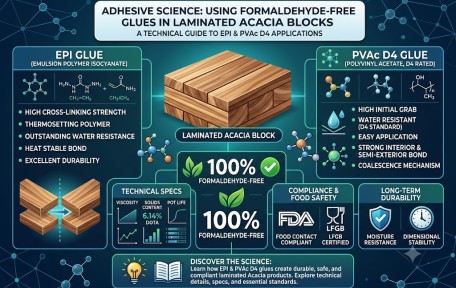
While bamboo is a fast-growing grass that is lightweight and affordable, it is laminated using adhesives and is prone to splitting along its seams when exposed to moisture. Acacia is a solid, dense hardwood with a much higher Janka hardness rating, making it vastly more durable, water-resistant, and aesthetically premium for commercial use.
What is the best way to clean and maintain commercial Acacia wood salad bowls?
To maximize longevity, Acacia wood bowls should be hand-washed with warm, soapy water and dried immediately. They should never be soaked in water or placed in a dishwasher or microwave. Periodically applying a coat of food-safe mineral oil or beeswax will restore the wood's natural luster and maintain its water-resistant properties.
Can Ngoc Dong Ha Nam customize Acacia wood bowls for OEM/ODM orders?
Absolutely. Ngoc Dong Ha Nam specializes in custom OEM/ODM manufacturing. We can customize the size, shape, finish, and add private labeling or laser-engraved logos to meet the exact design and branding requirements of global retailers and hospitality clients.