Future Trends in Houseware: The Strategic Fusion of Sustainable Acacia Wood and Premium Marble
Executive Summary: The Rise of 'Quiet Luxury' in Sustainable Houseware
The Dawn of a New Material Synergy
In the highly competitive world of B2B houseware sourcing and global interior design, a profound shift is underway. The modern consumer's appetite for 'quiet luxury'—an aesthetic defined by understated elegance, premium quality, and rigorous sustainability—has forced a reimagining of traditional material palettes. At the forefront of this movement is the compelling juxtaposition of sustainable Acacia wood and premium marble. As the Marketing Director and Sustainable Supply Chain Consultant for Ngoc Dong Ha Nam, I have witnessed firsthand how this specific pairing has evolved from a niche design experiment into a dominant force in global sourcing catalogs.
This trend report explores the strategic value of combining the warm, organic resilience of Acacia with the cool, timeless sophistication of marble. For global buyers, procurement officers, and interior designers, understanding the market dynamics, supply chain implications, and design versatility of this perfect pair is no longer optional; it is essential for curating collections that resonate with eco-conscious, luxury-driven consumers. By marrying robust natural materials with internationally recognized ethical manufacturing standards like BSCI, FSC, and SMETA, brands can deliver products that are not only visually stunning but fundamentally responsible.
Current Landscape: The Shift Toward Refined Naturalism in B2B Sourcing
Market Dynamics and Material Economics
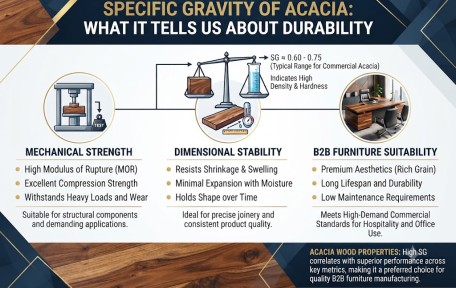
The current global home decor market is heavily influenced by 'Biophilic Design' and 'Refined Naturalism.' Consumers are actively seeking products that bring the outside in, but they demand a level of sophistication that raw, unfinished rustic pieces cannot provide. This is where the Acacia and marble fusion excels. Acacia wood, renowned for its rapid growth cycle and natural resistance to moisture and decay, provides an incredibly durable and sustainable foundation. Its rich, contrasting grain patterns offer a visual warmth that immediately softens any interior space.
Supply Chain Resilience and Ethical Compliance
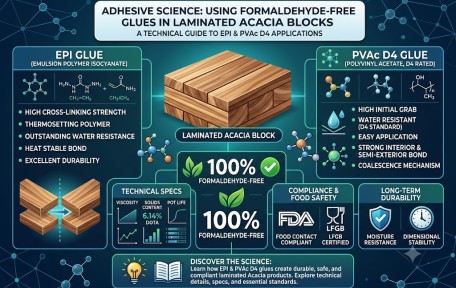
From a B2B sourcing perspective, the current landscape demands rigorous risk mitigation and supply chain transparency. Acacia is highly favored by global buyers because, when sourced correctly, it boasts unimpeachable environmental credentials. At Ngoc Dong Ha Nam, we champion FSC-certified Acacia, ensuring that every piece of timber contributes to responsible forestry management. When this sustainable wood is paired with marble—a material celebrated for its longevity and thermal mass—the resulting product achieves a high perceived value. However, manufacturing these multi-material products requires sophisticated engineering. The bonding of porous wood and dense stone necessitates advanced, non-toxic adhesives and precision milling. Furthermore, global buyers are increasingly mandating that these complex manufacturing processes occur within ethically audited facilities. Compliance with BSCI (Business Social Compliance Initiative) and SMETA (Sedex Members Ethical Trade Audit) is currently the baseline for entry into premium Western markets, ensuring that the artisans crafting these luxurious pieces operate in safe, fair, and equitable conditions.
Key Trends: High-Impact Applications of the Acacia-Marble Fusion
Trend 1: Elevated Entertaining Essentials and Tablescaping
The most explosive growth in the Acacia-marble category is within the dining and entertaining sector. Charcuterie boards, serving platters, and oversized coasters are dominating wholesale orders. The functional synergy here is unmatched: the marble sections provide a naturally cool surface ideal for preserving the integrity of artisanal cheeses and cured meats, while the Acacia wood sections offer a knife-friendly, naturally antibacterial zone for cutting and serving. Interior designers are utilizing these pieces not just as kitchenware, but as sculptural centerpieces that anchor a dining room's aesthetic.
Trend 2: Sculptural Kitchen Organization
Gone are the days when kitchen storage was hidden away. The contemporary kitchen is a focal point of the home, and buyers are sourcing organizational tools that double as decor. We are seeing a massive uptick in demand for airtight kitchen canisters featuring heavy marble bodies with beautifully turned Acacia wood lids, complete with silicone seals for freshness. Spice racks, utensil holders, and cookbook stands utilizing this material mix offer a tactile contrast that elevates the everyday culinary experience. The heavy marble bases provide stability, while the Acacia accents tie the pieces to broader wooden cabinetry and flooring trends.
Trend 3: Spa-Inspired Bath Accessories
The 'spa-ification' of the residential bathroom is a macro-trend driving significant B2B purchasing. Buyers are moving away from plastics and resins, leaning heavily into natural materials to create serene, wellness-focused environments. Acacia and marble soap dispensers, vanity trays, toothbrush holders, and tissue box covers are highly sought after. Acacia's natural oils make it uniquely suited to withstand the humid environment of a bathroom without warping, while marble introduces an element of classical cleanliness and luxury. This combination allows designers to bridge the gap between organic warmth and clinical sterility, achieving the ultimate sanctuary aesthetic.
Future Outlook: Sustainability, Traceability, and the Circular Economy
Innovating for a Zero-Waste Future
Looking ahead, the future of the Acacia and marble fusion lies in hyper-traceability and circular manufacturing processes. The next generation of global buyers will not only ask for FSC certification but will demand granular data on the carbon footprint of the entire product lifecycle. Forward-thinking manufacturers are already pioneering methods to utilize marble offcuts and Acacia wood scraps from larger furniture production lines to create these smaller houseware items, effectively moving towards a zero-waste manufacturing model. This 'upcycling' approach significantly lowers the environmental impact while maintaining the premium positioning of the materials.
Technological Advancements in Multi-Material Bonding
As we project into the next three to five years, we anticipate significant advancements in eco-friendly adhesives and joinery techniques. The challenge of combining a living material like wood, which expands and contracts with humidity, with a static material like stone is complex. Future trends will showcase innovative mechanical joinery—such as hidden dowels and interlocking precision cuts—that reduce reliance on chemical glues, further enhancing the eco-friendly profile of the products. Brands that can communicate this level of artisanal engineering and sustainable innovation will capture the highest echelon of the interior design market.
Strategic Recommendations: Sourcing the Perfect Pair for Your Next Collection
Actionable Sourcing Strategies for Global Buyers
To successfully integrate the Acacia and marble trend into your upcoming retail collections or interior design projects, a strategic sourcing approach is paramount. First, unequivocally demand FSC certification for all wood components. This is non-negotiable for brand protection and consumer trust in today's market. Second, scrutinize the manufacturing partner's social compliance records. Request up-to-date BSCI or SMETA audit reports to ensure your supply chain is free from ethical liabilities.
Partnering with Ngoc Dong Ha Nam
Third, evaluate the manufacturer's technical expertise in multi-material integration. Request samples specifically to test the durability of the joints between the wood and the stone under varying temperature and humidity conditions. Look for seamless transitions and the use of food-safe, environmentally friendly sealants. At Ngoc Dong Ha Nam, we have spent decades perfecting the art of sustainable luxury. By combining our deep-rooted expertise in natural materials—including Acacia, Bamboo, Seagrass, Rattan, and Water Hyacinth—with rigorous international quality standards, we empower global buyers to confidently bring world-class, eco-conscious designs to market. We invite procurement teams and lead designers to collaborate with us to develop bespoke, trend-leading collections that beautifully merge the warmth of nature with the elegance of stone.
Frequently Asked Questions
Why is the combination of Acacia wood and marble trending in B2B houseware sourcing?
This combination perfectly captures the 'quiet luxury' and 'biophilic design' trends. It contrasts the warm, rustic, and durable nature of Acacia wood with the cool, heavy, and sophisticated elegance of marble, offering a premium aesthetic that appeals to modern, eco-conscious consumers.
Is Acacia wood considered a sustainable material for global supply chains?
Yes, Acacia is a fast-growing hardwood, making it highly renewable. When global buyers source FSC-certified Acacia, as recommended by Ngoc Dong Ha Nam, it ensures the wood originates from responsibly managed forests, aligning with strict international sustainability goals.
How do manufacturers ensure the ethical production of these mixed-material housewares?
Reputable manufacturers maintain rigorous international social compliance standards. By adhering to frameworks like BSCI (Business Social Compliance Initiative) and SMETA (Sedex Members Ethical Trade Audit), facilities guarantee fair labor practices, safe working conditions, and transparent supply chains.
What are the technical challenges of combining wood and marble in manufacturing?
The primary challenge is managing the different expansion rates of the materials. Wood naturally expands and contracts with humidity, while marble remains static. High-quality manufacturers use precision milling, specialized eco-friendly adhesives, and mechanical joinery to ensure long-lasting, seamless bonds.
What are the most popular product applications for the Acacia and marble fusion?
The most highly demanded items include elevated entertaining essentials like charcuterie boards and serving platters, sculptural kitchen organization tools such as airtight canisters, and spa-inspired bathroom accessories like vanity trays and soap dispensers.