
How Ngoc Dong Ha Nam Achieved 0% Mold Claims in Transoceanic Shipping: A B2B Case Study on Safeguarding Natural Home Decor
Key Takeaways
- •Natural woven materials like seagrass and water hyacinth require strict moisture content (MC) controls below 15% before shipping to prevent mold germination.
- •The 'container sweat' phenomenon during transoceanic transit is mitigated through high-absorption calcium chloride desiccants and container barrier linings.
- •Implementing a multi-layered prevention protocol from raw material kiln-drying to pre-loading inspections ensures 100% mold-free cargo arrivals.
- •Compliance with international standards such as FSC, BSCI, and SMETA guarantees that all anti-mold treatments are non-toxic and retail-safe.
THE HIGH STAKES OF MARITIME HUMIDITY: WHY OCEAN FREIGHT POSES SEVERE MOLD RISKS FOR NATURAL HOME DECOR
For global B2B buyers, catalog managers, and high-end interior designers, sourcing high-quality, sustainable home decor from Southeast Asia is a highly lucrative and brand-enhancing strategy [1.1.4]. However, the transoceanic journey from manufacturing hubs in Vietnam to major ports in North America, Europe, and Australia presents a silent, highly destructive hazard: mold infestation. When shipping natural materials such as seagrass, water hyacinth, rattan, bamboo, and acacia wood, the cargo is subjected to extreme environmental stress inside the shipping container.
The Science Behind 'Container Sweat' and 'Cargo Sweat'
During a typical 25-to-40-day voyage across different climate zones, temperatures inside a steel shipping container can fluctuate by as much as 20°C to 30°C between day and night. For example, a container loaded in the tropical, high-humidity port of Haiphong, Vietnam, where relative humidity (RH) often exceeds 85%, will experience intense heat during the day. As the ship sails into cooler waters, the temperature of the container's steel walls drops rapidly. This drastic thermal shifting triggers two primary moisture phenomena:
- Cargo Sweat: This occurs when cold cargo enters a warm, humid climate, causing moisture from the surrounding air to condense directly onto the product surfaces.
- Container Sweat (Container Rain): This occurs when warm, humid air inside the container rises and hits the cold steel ceiling. The water vapor condenses into liquid droplets that literally 'rain' down onto the packaged goods, soaking cardboard boxes and infiltrating the products inside.
Why Natural Materials are Highly Vulnerable
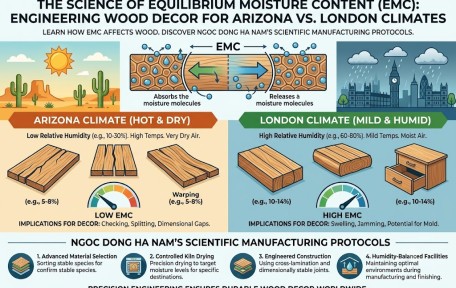
Natural fibers like rattan, seagrass, and water hyacinth are inherently hygroscopic. Their cellular structures act like natural sponges, readily absorbing ambient humidity from the air. If the relative humidity inside the container exceeds 60%, and the moisture content (MC) of the products rises above 15%, dormant mold spores inevitably germinate. For B2B buyers, the consequences of receiving a moldy shipment are catastrophic: unsellable inventory, expensive customs rejections, retailer chargebacks, delayed product launches, and severe damage to brand reputation.
THE NGOC DONG HA NAM PROTOCOL: A MULTI-LAYERED DEFENSE AGAINST MOISTURE AND MOLD
To eliminate these risks and protect our partners' investments, Ngoc Dong Ha Nam has engineered a rigorous, multi-layered Mold Prevention Protocol. This system begins at the raw material stage and continues until the container doors are sealed, ensuring that every shipment arrives in pristine, retail-ready condition.
1. Precision Kiln-Drying and Moisture Content (MC) Control
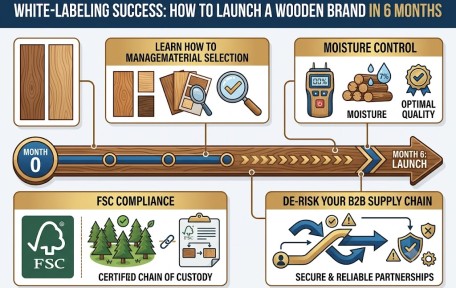
The foundation of mold prevention is eliminating excess moisture at the source. At our facility, all Acacia timber and bamboo undergo a precise, industrial kiln-drying cycle. We enforce strict moisture content thresholds before packaging:
- Raw Materials: Maintained strictly between 8% and 12% MC.
- Finished Products: Maintained strictly between 10% and 14% MC.
Our quality control team utilizes calibrated pin-type and pinless digital moisture meters to test every production batch. Any item exceeding these limits is immediately rejected and sent back for further drying. We also maintain a climate-controlled, pest-monitored warehouse environment to store products safely before loading.
2. Non-Toxic, Certified Anti-Fungal Treatments & Fumigation
While keeping moisture low is critical, we also treat our natural fibers with eco-friendly, non-toxic anti-fungal compounds. In alignment with our FSC, BSCI, and SMETA certifications, we ensure that all protective treatments comply fully with global safety regulations, including EU REACH and US California Proposition 65. Additionally, we provide professional fumigation services (typically using Methyl Bromide or Heat Treatment) and issue official Fumigation Certificates, ensuring hassle-free customs clearance in the destination country.
3. Advanced Packaging and Container Optimization
The final line of defense is securing the shipping environment itself. We implement an advanced containerization strategy:
- High-Absorption Calcium Chloride Desiccants: Unlike standard silica gel which only absorbs about 40% of its weight in moisture, we deploy industrial-grade calcium chloride desiccants. These advanced bags absorb up to 300% of their dry weight in moisture, converting water vapor into a spill-proof gel that cannot re-evaporate, even under extreme heat.
- Strict Container Inspections: Before loading, we conduct a comprehensive 7-point inspection. We check for structural holes, inspect the door seals, and measure the moisture content of the container's wooden floor. If the container floor exceeds 20% MC, we reject the container immediately.
- Breathable Packaging: We utilize specialized moisture-barrier linings and breathable polybags to prevent localized condensation zones within individual cartons.
ZERO CLAIMS, MAXIMUM TRUST: THE STRATEGIC VALUE OF OUR MOLD-FREE GUARANTEE
By implementing this rigorous, scientifically-backed protocol, Ngoc Dong Ha Nam has successfully redefined supply chain reliability for natural home decor exports.
The Direct Business Impact for Global B2B Buyers
Our systematic approach to moisture control delivers tangible, high-value outcomes for our international partners:
- 0% Mold Claim Rate: Over years of shipping hundreds of containers annually to the US, Europe, and Australia, we have maintained a virtually flawless record of zero mold-related claims.
- Elimination of Chargebacks: Global retailers and distributors avoid the costly chargebacks, product disposal fees, and handling penalties associated with damaged inventory.
- Reduced Insurance Premiums: A proven track record of safe arrivals allows our long-term B2B partners to negotiate lower cargo insurance premiums.
- Seamless Time-to-Market: Products go straight from the container to the retail shelves or interior design projects without requiring inspection, cleaning, or sorting.
A Strategic Partnership for Sustainable Growth
As a leading Vietnamese manufacturer committed to sustainability and quality, Ngoc Dong Ha Nam does not just sell products; we secure your entire supply chain. Our compliance with FSC, BSCI, and SMETA standards ensures that your brand's commitment to social responsibility and environmental stewardship is fully protected. By choosing Ngoc Dong Ha Nam, global buyers gain a reliable, world-class manufacturing partner capable of delivering beautiful, eco-friendly home decor that withstands the toughest transoceanic journeys.
FREQUENTLY ASKED QUESTIONS
Why are natural home decor products highly susceptible to mold during sea freight?
Natural fibers like rattan, seagrass, and water hyacinth are highly hygroscopic, meaning they absorb moisture from the surrounding air [1.1.8]. During sea transit, temperature fluctuations inside the container cause 'container sweat,' raising relative humidity and creating an ideal breeding ground for mold spores.
What moisture content level does Ngoc Dong Ha Nam maintain for its products?
We strictly enforce a moisture content (MC) threshold of 8% to 12% for raw materials and 10% to 14% for finished products using calibrated pin-type and pinless digital moisture meters before packaging.
Are the anti-mold treatments used by Ngoc Dong Ha Nam safe for global retail markets?
Yes, absolutely. All our preservation and anti-mold treatments are non-toxic, eco-friendly, and fully compliant with strict international regulations including EU REACH and US California Proposition 65, backed by our FSC and BSCI certifications.
How do you prepare shipping containers to prevent moisture accumulation?
We conduct a rigorous 7-point container inspection to ensure no leaks or wet floors. We then install heavy-duty calcium chloride container desiccants (which absorb up to 300% of their weight in moisture) and use moisture-barrier linings to protect the cargo.