How to Build a Sustainable Private Label Home Decor Collection: From Concept to Shelf
Key Takeaways
•A successful private label home decor collection requires selecting rapidly renewable natural materials like Acacia, bamboo, seagrass, rattan, and water hyacinth to meet global B2B demand for eco-friendly luxury.•Ensuring social and environmental compliance through recognized third-party certifications like BSCI, SMETA, and FSC is essential to mitigate supply chain risks and appeal to modern conscious consumers.
•Strict moisture control, keeping levels strictly between 12% and 14%, is critical to prevent mold and quality degradation during long-distance ocean transit of natural fiber products.
•Optimizing product design for nesting and flat-packing dramatically reduces ocean freight costs and minimizes the carbon footprint of global logistics.
INTRODUCTION: THE RISE OF CONSCIOUS SOURCING AND THE PRIVATE LABEL ADVANTAGE
The global home decor industry is undergoing a profound transformation. In 2026, consumers are rejecting the fast-fashion equivalent of home furnishings—disposable, synthetic, and chemically treated plastic items that quickly end up in landfills. Instead, there is a powerful, quiet movement towards "quiet luxury," "organic modernism," and "earthy maximalism." Today's buyers prioritize longevity, material intelligence, and a deep, tactile connection to the natural world. They want products that tell a story of ethical craftsmanship and ecological harmony.
For global retailers, boutique owners, and interior design firms, off-the-shelf, mass-produced products no longer command premium margins. To capture the hearts of modern eco-conscious consumers and stand out in a crowded marketplace, brands must curate unique, sustainable, and high-quality private label collections. Building a private label line is the ultimate strategic move to capture higher margins, control your brand narrative, and secure long-term customer loyalty.
This comprehensive, step-by-step guide outlines the precise methodology of building a private label home decor collection from initial concept to the retail shelf. Drawing from Ngoc Dong Ha Nam's decades of experience as a world-class Vietnamese manufacturer, we explore how to seamlessly merge traditional artisan craftsmanship with rigorous global compliance standards to deliver exquisite, shelf-ready collections.
PREREQUISITES: FOUNDATIONS OF A SUCCESSFUL PRIVATE LABEL SOURCING STRATEGY
Before a single sketch is drawn or a prototype is requested, global buyers must establish a solid strategic foundation. Skipping this preparation stage often leads to misaligned product lines, compliance bottlenecks, and unexpected logistical costs. To set your private label initiative up for success, ensure you have established the following critical parameters:
1. Target Customer Persona & Retail Pricing Architecture
Clearly define who you are designing for. Are you catering to high-end interior designers seeking bespoke, sculptural statement pieces, or mass-market retailers needing functional, everyday storage solutions? Establish your target Cost of Goods Sold (COGS), retail price points, and gross margin requirements early. This financial blueprint will guide your material selection and design complexity.
2. Compliance & Verification Standards
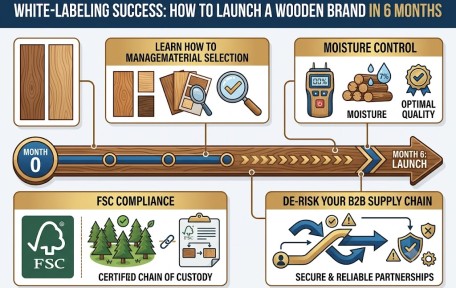
In 2026, compliance is no longer an afterthought; it is a strict market entry requirement. With rising global supply chain regulations, such as the EU Deforestation Regulation (EUDR), buyers must define their compliance baseline from day one. Determine which certifications are non-negotiable for your brand, such as BSCI (Business Social Compliance Initiative) for labor standards, SMETA (Sedex Members Ethical Trade Audit) for comprehensive supply chain ethics, and FSC (Forest Stewardship Council) for traceable, responsibly managed wood and bamboo.
3. Supply Chain Agility & Logistics Planning
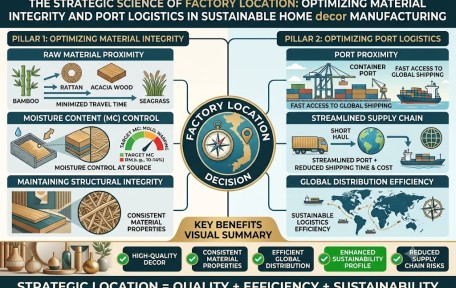
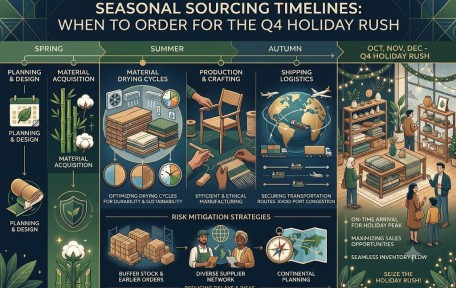
Analyze your sales cycles and inventory requirements. Handcrafted natural fiber products require realistic lead times—typically 60 to 90 days depending on the design complexity, order volume, and seasonal raw material harvesting cycles in Vietnam. Understanding these timelines allows you to plan your collection launches without risking out-of-stock scenarios.
STEP 1: DESIGNING WITH INTENT – TRANSLATING CONCEPTS INTO MATERIAL REALITIES
Great private label collections begin with a deep respect for raw materials. In 2026, designers celebrate materials not just for their utility, but for their tactile richness and organic beauty. To build an authentic private label line, you must pair your design concept with the correct natural material. Let's analyze the core materials that Ngoc Dong Ha Nam specializes in, highlighting their physical properties and design applications:
Acacia Wood: The Durable Hardwood Choice
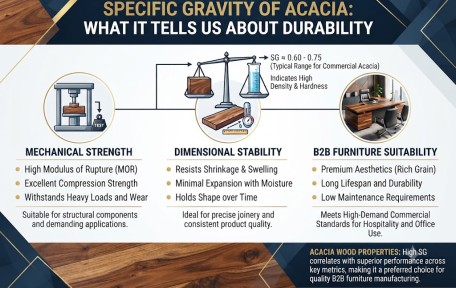
Acacia is a dense, durable hardwood characterized by its rich, contrasting grain patterns and warm tones. It is highly resistant to water and scratches, making it the perfect choice for premium kitchenware, serving boards, salad bowls, and minimalist accent furniture. Acacia's structural integrity allows for clean, modern silhouettes that showcase the wood's natural beauty.
Bamboo: The Eco-Friendly Giant
With an incredibly fast growth rate, bamboo is one of the most renewable resources on the planet. It possesses a high tensile strength, making it extremely versatile. Bamboo can be engineered into sleek, structured storage organizers, laminated into minimalist shelving units, or woven into delicate, airy lighting fixtures that cast beautiful shadows.
Seagrass: The Coastal Resilient Fiber
Harvested from coastal wetlands, seagrass is highly resilient, flexible, and possesses a subtle, natural, earthy fragrance. When tightly woven around sturdy metal frames, seagrass creates exceptionally durable laundry hampers, decorative floor mats, and lightweight bohemian storage baskets that add an organic texture to any space.
Rattan: The Timeless Sculptural Medium
Rattan's unique solid-core structure allows it to be steam-bent into fluid, sculptural curves. This flexibility makes it a favorite among interior designers. Rattan is ideal for high-end accent furniture, intricate wall mirrors, and sophisticated, textured storage chests that blend retro charm with modern elegance.
Water Hyacinth: The Luxurious Thick Weave
Harvested from waterways where it grows abundantly, water hyacinth features thick, spongy stalks. When dried and woven, it produces a chunky, highly tactile, and luxurious weave. It brings unparalleled warmth and softness, making it the premier material for cozy, soft-sided living room baskets, magazine holders, and elegant tabletop placemats.
STEP 2: SELECTING AND AUDITING YOUR MANUFACTURING PARTNER
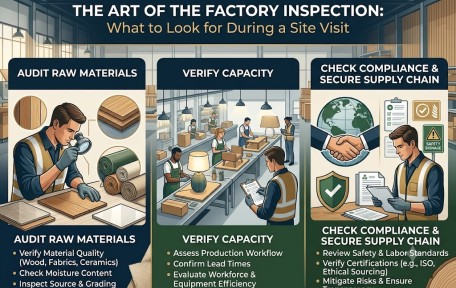
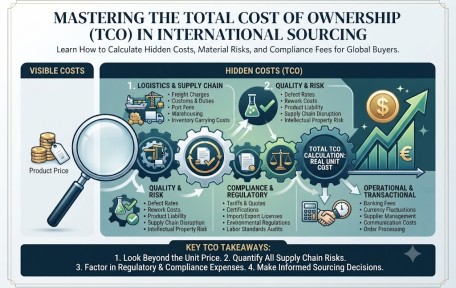
Sourcing from Southeast Asia, particularly Vietnam, has become a strategic imperative for global brands looking to diversify their supply chains and access world-class craftsmanship. However, selecting the right manufacturing partner is critical to protecting your brand's reputation and ensuring consistent quality. When evaluating potential partners, look beyond the unit price and focus on three core pillars:
1. Verified Social and Environmental Compliance
Do not rely on self-declarations. Ensure your manufacturing partner holds active, verified certifications from recognized international bodies:
- BSCI (Business Social Compliance Initiative): Verifies that the factory adheres to fair wages, reasonable working hours, safe working conditions, and ethical treatment of all workers.
- SMETA (Sedex Members Ethical Trade Audit): A comprehensive audit covering labor standards, health and safety, environmental performance, and business ethics.
- FSC (Forest Stewardship Council): Crucial for wood and bamboo products, ensuring that materials do not contribute to deforestation and are traceable back to responsibly managed forests.
2. Technical and Production Capacity
A world-class partner like Ngoc Dong Ha Nam combines traditional hand-weaving techniques with modern, automated wood and bamboo processing machinery. This hybrid manufacturing model ensures both the unique beauty of handmade products and the precise dimensional consistency required for global retail distribution. Ask about their production capacity, machinery, and their ability to scale up production during peak seasons.
3. Communication and Co-Development Capabilities
A successful private label partnership requires clear, transparent communication. Choose a partner with a dedicated, English-speaking export team and an in-house product development department that understands international design trends and can provide proactive feedback on your designs.
STEP 3: THE PROTOTYPING AND SAMPLE REFINEMENT PHASE
Translating a 2D CAD drawing or a mood board into a physical, handwoven basket or wooden tray is an iterative, collaborative process where the magic happens—and where potential production challenges are solved.
Developing the Tech Pack
Provide your manufacturer with a detailed technical specification sheet (Tech Pack). This should include exact dimensions, weave patterns, color references (using non-toxic, eco-friendly finishes), and weight-bearing expectations. The more detailed your Tech Pack, the faster and more accurate the first prototype will be.
The Artisan Feedback Loop
Local Vietnamese master weavers possess generations of practical knowledge. During the prototyping phase, they often provide invaluable feedback on how to optimize a weave for structural integrity, reduce material waste, or improve nesting capability. Welcome this feedback, as it often leads to a more durable and cost-effective product.
Rigorous Sample Evaluation
Once the prototype is complete, evaluate it thoroughly. Check for dimensional tolerances, color accuracy under different lighting conditions, and overall aesthetic appeal. Perform rigorous physical tests, including drop tests and load-bearing tests, to ensure the product can withstand the rigors of global transit and everyday household use. Do not proceed to mass production until the sample is 100% approved and signed off by both parties.
STEP 4: RIGOROUS QUALITY CONTROL AND MOISTURE MANAGEMENT
Handcrafted products made from natural fibers present unique quality control challenges that do not exist with synthetic materials. Because natural materials are organic, they interact with their environment, making strict quality control processes essential.
The Battle Against Moisture and Mold
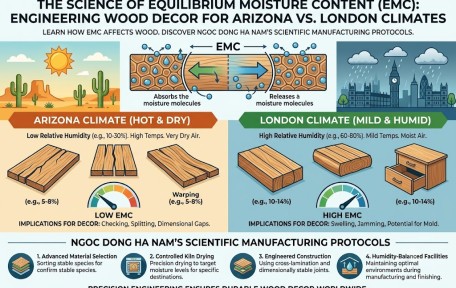
Because natural fibers like seagrass and water hyacinth are highly organic, they are hygroscopic—meaning they absorb moisture from the air. If products are packed with a moisture content above 15%, they run a high risk of developing mold during the hot, humid conditions of ocean container transit. This is the single biggest risk in natural fiber sourcing.
Ngoc Dong Ha Nam's Advanced Moisture Control
To eliminate this risk, Ngoc Dong Ha Nam utilizes advanced, temperature-controlled dehumidification chambers to dry products uniformly. We measure every single batch using calibrated pin-type moisture meters, ensuring that the moisture content is strictly maintained between 12% and 14% before packing. This scientific approach guarantees that your products arrive at your warehouse in pristine, mold-free condition.
Fumigation and Pest Control
To comply with strict import regulations in markets like the US, EU, and Australia, all natural fiber shipments must undergo certified fumigation treatments (such as Methyl Bromide or Sulfur Dioxide) to ensure they are 100% free of pests and biological contaminants. Ensure your manufacturer provides official fumigation certificates with every shipment.
Weave and Finish Standardization
Establish clear tolerances for handmade variations. While minor differences in color and weave are celebrated by consumers as proof of artisan authenticity, structural aspects like frame alignment, handle strength, and surface smoothness (no sharp, protruding fibers) must be flawless. Implement a multi-stage quality control process, including raw material inspection, in-line inspection during weaving, and a final pre-shipment inspection.
STEP 5: SUSTAINABLE PACKAGING, LOGISTICS, AND SHELF-READY PRESENTATION
The journey of your private label collection concludes with how it is packed, shipped, and presented to the consumer. Modern eco-conscious consumers expect the packaging to match the product's sustainable credentials, making this a critical step in your brand storytelling.
Eliminating Single-Use Plastics
Replace plastic polybags and Styrofoam with recycled cardboard boxes, protective honeycomb paper wrap, and biodegradable silica gel packets. This not only reduces your environmental impact but also aligns with the premium, natural aesthetic of your collection.
Nesting and Freight Optimization
Shipping costs can significantly impact your retail margins. Design your collection with "nesting" in mind—where smaller baskets fit perfectly inside larger ones. For wooden and bamboo furniture, focus on Knock-Down (KD) designs that can be flat-packed, dramatically reducing container volume and lowering your carbon footprint per unit. Optimizing your packaging design can lead to massive savings in ocean freight costs.
Storytelling on the Shelf
Your private label products should speak to the consumer. Use elegant, FSC-certified hangtags or integrate QR codes that allow buyers to scan and watch a short video showing the sustainable harvesting of the raw materials and the artisans weaving the product in Vietnam. This transparent storytelling justifies premium pricing, builds deep brand trust, and turns everyday buyers into lifelong brand advocates.
CONCLUSION: PARTNERING FOR A SUSTAINABLE FUTURE
Building a private label home decor collection is a rewarding journey that allows your brand to stand out in a crowded market. By shifting towards natural, rapidly renewable materials like Acacia, bamboo, seagrass, rattan, and water hyacinth, you align your business with the powerful global demand for sustainable luxury. You offer your customers products that are not only beautiful and functional but also kind to the planet.
Success, however, relies on partnering with a manufacturer who shares your values of quality, ethical labor, and ecological responsibility. At Ngoc Dong Ha Nam, we are dedicated to helping global buyers and interior designers bring their visions to life. We combine traditional Vietnamese craftsmanship with state-of-the-art technology and rigorous international standards (BSCI, SMETA, FSC) to ensure every product is crafted with care and ready to shine on your retail shelves. Let's co-create a greener, more beautiful world together.
FREQUENTLY ASKED QUESTIONS
What are the typical lead times for manufacturing a private label collection in Vietnam?
Typical production lead times for handcrafted natural fiber and wooden home decor collections range from 60 to 90 days. This depends on the design complexity, order volume, and seasonal raw material harvesting cycles in Vietnam.
How do you prevent mold from developing on natural fiber products during ocean shipping?
We utilize advanced dehumidification chambers to dry all products uniformly and check each batch with calibrated moisture meters to maintain a safe moisture content of 12% to 14% before packing in eco-friendly, moisture-resistant materials.
What certifications should a sustainable home decor manufacturer possess?
A reputable sustainable manufacturer should hold BSCI and SMETA certifications for ethical labor and social compliance, as well as FSC certification to guarantee responsible sourcing of wood and bamboo materials.
Can we customize the weave patterns and sizes for our private label baskets?
Yes, our product development team works closely with your designers to customize weave patterns, dimensions, and finishes using natural dyes, translating your CAD concepts into physical, production-ready samples.