How to Source and Style Sustainable Wood Tabletop Collections for 2026
Key Takeaways
- •Acacia and bamboo are the leading wood materials for 2026 tabletop designs due to their exceptional durability, rich aesthetics, and rapid renewability.
- •FSC certification and SMETA or BSCI compliance are mandatory prerequisites for global B2B buyers sourcing natural homewares to ensure ethical and environmental standards.
- •Biophilic design principles are driving consumer demand for raw, tactile wood textures, live edges, and food-safe natural finishes in dining spaces.
- •Sourcing mixed-material collections that combine wood with rattan, seagrass, or water hyacinth maximizes market appeal and commands premium retail margins.
Introduction: The 2026 Shift Towards Natural Tabletop Elegance
The global tabletop market is undergoing a profound transformation as we move deeper into 2026. Gone are the days when mass-produced, synthetic materials dominated dining spaces. Today, global buyers, procurement officers, and interior designers are witnessing a massive consumer shift toward biophilic design—a philosophy that seeks to connect our indoor environments with the natural world. In this new era, wood has emerged as the undisputed champion of the tabletop category.
As a Sustainable Supply Chain Consultant and Marketing Director at Ngoc Dong Ha Nam, I have tracked this evolution closely. Consumers are no longer just buying plates, bowls, or serving trays; they are investing in tactile experiences, authenticity, and, most importantly, verifiable sustainability. They want to know the story behind their homewares. Wood, with its inherent warmth, unique grain patterns, and eco-friendly potential, answers this demand perfectly.
However, capitalizing on this trend requires more than simply adding wooden items to your catalog. To succeed in the competitive 2026 landscape, B2B buyers must navigate complex supply chains, stringent international standards, and nuanced design trends. This comprehensive guide will walk you through the exact steps to successfully source, style, and integrate sustainable wood tabletop collections that will captivate your clientele and elevate your brand's market position.
Prerequisites: Essential Certifications and Knowledge for Sourcing
Before you begin selecting specific product designs or reaching out to manufacturers, it is crucial to establish a solid foundation of sourcing prerequisites. In 2026, greenwashing is heavily penalized by both regulators and consumers. Therefore, your first step is to ensure that your sourcing strategy is backed by internationally recognized certifications.
1. Environmental Stewardship: The FSC Standard
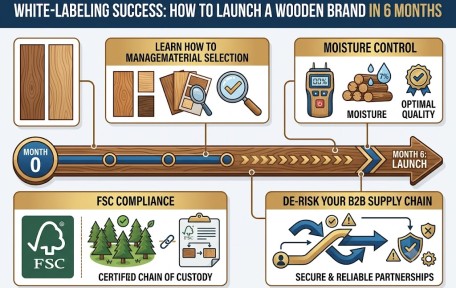
When sourcing wood products, the Forest Stewardship Council (FSC) certification is your baseline requirement. FSC certification guarantees that the timber used in your tabletop collections is harvested from forests that are responsibly managed, socially beneficial, environmentally conscious, and economically viable. As a buyer, demanding FSC-certified Acacia or Bamboo ensures that your products contribute to forest conservation rather than deforestation. At Ngoc Dong Ha Nam, we prioritize FSC-certified raw materials, giving our B2B partners complete peace of mind and a powerful marketing message for their end consumers.
2. Ethical Production: BSCI and SMETA Compliance
Sustainability extends beyond environmental impact; it fundamentally includes human rights and ethical labor practices. The Business Social Compliance Initiative (BSCI) and the Sedex Members Ethical Trade Audit (SMETA) are the gold standards for ethical supply chain auditing. These frameworks ensure fair wages, safe working conditions, and zero tolerance for forced labor. Partnering with a manufacturer that holds current BSCI and SMETA audit reports is non-negotiable for global buyers looking to mitigate brand risk and build a truly sustainable product line.
3. Understanding Material Synergy
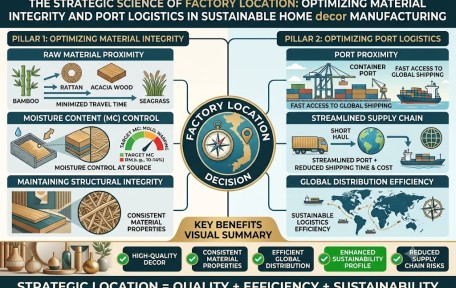
While wood is the dominant material, the most successful 2026 collections utilize material synergy. Understanding how wood interacts with other natural materials—such as Water Hyacinth, Rattan, or Seagrass—will allow you to create comprehensive, multi-textured dining experiences. Familiarize yourself with these complementary materials before moving to the selection phase.
Step 1: Select the Right Wood Species for Your Target Market
With your compliance prerequisites in place, the first actionable step is selecting the appropriate wood species. Not all woods are created equal, especially when it comes to the rigorous demands of tabletop usage, which requires resistance to moisture, heat, and daily wear. For 2026, two natural materials stand head and shoulders above the rest: Acacia and Bamboo.
The Timeless Appeal of Acacia Wood
Acacia wood is dominating the premium tabletop segment, and for good reason. It is a fast-growing hardwood that boasts incredible density and natural water-resistant properties, making it ideal for serving boards, salad bowls, and dining plates. What truly sets Acacia apart is its striking visual profile. The wood features dynamic, contrasting grain patterns ranging from light amber to deep, rich mahogany. Actionable Tip: When sourcing Acacia, look for collections that highlight the natural edge or organic grain flow, as these raw, unadulterated aesthetics are highly sought after by high-end interior designers aiming for Organic Modern spaces.
The Innovative Versatility of Bamboo
While technically a grass, Bamboo functions as a top-tier hardwood alternative in the homeware sector. Its rapid renewability—growing to maturity in just 3 to 5 years—makes it the ultimate choice for hyper-eco-conscious consumers. Bamboo tabletop products are lightweight, exceptionally strong, and feature a sleek, uniform aesthetic that appeals to minimalist and contemporary design trends. Actionable Tip: Consider carbonized bamboo for your collections. The carbonization process uses heat to darken the bamboo naturally, providing a sophisticated, rich tone without the use of chemical stains.
Creating a Cohesive Collection
To maximize market appeal, do not limit yourself to a single material. The most successful B2B buyers are sourcing mixed-material collections. Imagine a beautifully crafted Acacia wood serving tray paired with intricately woven Seagrass placemats and Rattan coasters. This strategic layering of natural materials creates a highly curated, premium dining experience that commands higher retail margins.
Step 2: Align with 2026 Biophilic Design and Aesthetic Trends
Once you have selected your materials, the next step is to ensure the product designs align with the aesthetic trends dominating 2026. Interior designers are moving away from hyper-polished, perfectly symmetrical items. Instead, the focus is on authenticity and the celebration of natural imperfections.
Embracing Wabi-Sabi and Raw Elegance
The Japanese philosophy of Wabi-Sabi, which finds beauty in imperfection, heavily influences 2026 tabletop trends. Buyers should look for wood products that feature live edges, asymmetrical shapes, and hand-carved textures. A salad bowl that retains the natural contour of the Acacia tree trunk will sell significantly faster than a perfectly machine-rounded equivalent. These pieces act as functional art, serving as conversation starters during dinner parties.
Minimalist Finishes and Food-Safe Treatments
Consumers are increasingly wary of toxic chemicals in their homes, particularly on surfaces that touch their food. Therefore, the finish applied to your wood tabletop items is just as important as the wood itself. Step away from high-gloss, synthetic lacquers. Instead, specify natural, food-safe oil finishes—such as mineral oil, beeswax, or plant-based hardwax oils. These finishes not only protect the wood but also enhance the natural tactile feel, allowing the end-user to physically connect with the organic material.
Modular and Multi-Functional Designs
Modern living spaces are becoming more dynamic, and tabletop items must adapt. Look for multi-functional wooden pieces. A beautifully crafted bamboo board that serves as a cutting surface in the kitchen, a charcuterie platter in the dining room, and a decorative centerpiece when not in use provides immense value to the consumer. Highlighting this versatility will make your collections indispensable to interior designers outfitting modern homes.
Step 3: Vet Your Supply Chain and Establish a Partnership
The final step in successfully launching a dominant wood tabletop collection is securing a reliable, transparent, and scalable supply chain. As a B2B buyer, your reputation is inextricably linked to the performance and ethics of your manufacturing partners. Vietnam has solidified its position as a premier global hub for sustainable homewares, offering a unique blend of traditional craftsmanship and modern manufacturing capabilities.
Evaluating Manufacturer Capabilities
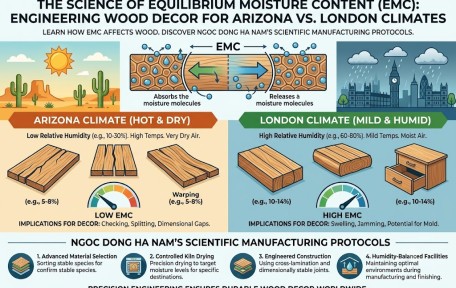
When vetting potential partners, look beyond the product catalog. You need a manufacturer capable of scaling with your business while maintaining strict quality control. Ask critical questions: Do they have in-house moisture control facilities to prevent wood cracking during international shipping? Are they vertically integrated, managing the process from timber sourcing to final packaging? At Ngoc Dong Ha Nam, we pride ourselves on our end-to-end production control, ensuring that every piece of Acacia or Bamboo meets exacting international standards before it leaves our facility.
The Importance of Traceability
In 2026, buyers must be able to trace their products back to the source. Request documentation that proves the chain of custody for the wood used in your products. This traceability is not just for customs clearance; it is a powerful marketing tool. Being able to tell your customers exactly where their Acacia serving board came from builds unparalleled brand trust.
Building Long-Term Collaborative Relationships
Treat your sourcing process not as a series of transactional purchases, but as the building of a strategic partnership. A manufacturer like Ngoc Dong Ha Nam serves as a consultant, helping you navigate material constraints, optimize designs for manufacturing, and stay ahead of upcoming trends. By collaborating closely with your supplier, you can develop exclusive collections that set you apart in the crowded global marketplace.
Conclusion: Take Action and Lead the Sustainable Homeware Market
The dominance of wood in the 2026 tabletop market is not a fleeting trend; it is a fundamental shift in consumer values toward sustainability, authenticity, and biophilic design. By following this guide—establishing your certification prerequisites, carefully selecting premium species like Acacia and Bamboo, aligning with organic design trends, and partnering with a compliant, transparent manufacturer—you are positioning your brand for exceptional growth.
Now is the time to take action. Do not let your inventory fall behind the curve of consumer demand. Equip your buyers and interior design clients with the natural, tactile, and ethically produced homewares they are actively searching for.
At Ngoc Dong Ha Nam, we are ready to bring your sustainable vision to life. With decades of expertise in natural materials, rigorous adherence to FSC, BSCI, and SMETA standards, and a deep understanding of global market trends, we are your ideal partner in crafting world-class tabletop collections. Contact our team today to explore our exclusive wood and woven material catalogs, and let us help you dominate the 2026 homeware market.
Frequently Asked Questions
Why is wood dominating the 2026 tabletop market?
Wood dominates the 2026 market due to rising consumer demand for biophilic design, offering tactile warmth, exceptional durability, and verifiable sustainability through international standards like FSC certifications.
Which wood species are best for sustainable B2B tabletop products?
Acacia and Bamboo are the top choices. Acacia offers incredible durability and rich, dynamic grain patterns, while Bamboo provides rapid renewability and a sleek, modern aesthetic perfect for eco-conscious consumers.
How can global buyers ensure their wood tabletop products are ethically sourced?
Buyers must partner with vertically integrated manufacturers holding recognized international certifications, such as FSC for responsible forestry, and BSCI or SMETA for ethical labor practices and fair working conditions.