
Protect Your Port of Entry: The B2B Guide to ISPM 15 and Biosecurity in Sustainable Home Decor Shipping
Key Takeaways
- •ISPM 15 compliance requires all wood packaging materials thicker than 6mm to be heat-treated or fumigated to prevent the spread of invasive forest pests.
- •Non-compliant pallets can lead to severe consequences, including customs seizures, expensive quarantine fees, or mandatory shipment destruction at the buyer's expense.
- •While natural fiber decor like seagrass and rattan is exempt from ISPM 15, the wooden pallets, crates, and dunnage used to transport them must strictly comply.
- •Partnering with certified manufacturers like Ngoc Dong Ha Nam ensures FSC-certified wood sourcing, IPPC-stamped pallets, and advanced moisture control for zero-risk shipping.
STOP THE SEIZURE: WHY ONE UNTREATED WOOD PALLET CAN RUIN YOUR ENTIRE HOME DECOR SHIPMENT
Imagine this scenario: Your design team has spent months perfecting a new collection of hand-woven rattan baskets and sustainable acacia wood furniture. The production went flawlessly, the quality control was impeccable, and the container was shipped on time to meet the peak holiday retail season. But upon arrival at the Port of Los Angeles or Rotterdam, the shipment is flagged, quarantined, and ultimately rejected by customs officials. The culprit? Not your beautiful, handcrafted products, but a single, unmarked wooden pallet infested with microscopic wood-boring pests.
For global B2B buyers, interior designers, and sourcing managers, biosecurity failure is a catastrophic operational risk. A single non-compliant shipping pallet can trigger immediate quarantine, mandatory off-site chemical fumigation, or even total destruction of the entire container at the buyer's expense. Beyond the devastating financial losses and missed retail windows, it inflicts irreparable damage on your brand's reputation for supply chain reliability. In an era where eco-conscious consumers demand flawless execution and sustainable practices, understanding the strict rules of international palletization is no longer optional—it is a critical business safeguard.
DECODING ISPM 15: THE SCIENCE AND STANDARDS PROTECTING GLOBAL ECOSYSTEMS
To prevent the transboundary spread of invasive forest pests, the International Plant Protection Convention (IPPC) established the International Standards for Phytosanitary Measures No. 15, universally known as ISPM 15. This global regulation dictates that all wood packaging materials (WPM) with a thickness greater than 6mm—including pallets, crates, dunnage, and packing blocks—must be treated and officially marked before crossing international borders.
The Two Approved Treatment Methods
To eliminate pests like the Emerald Ash Borer or the Asian Longhorned Beetle, wood packaging must undergo one of two primary treatments:
- Heat Treatment (HT): The wood must be heated in a specialized kiln until its core temperature reaches a minimum of 56°C (133°F) for at least 30 continuous minutes. This is the preferred, eco-friendly method for sustainable brands as it avoids chemical additives.
- Methyl Bromide (MB) Fumigation: The wood is treated with a chemical gas. While effective, many eco-conscious buyers and strict regulatory zones (such as the European Union) heavily restrict or discourage the use of Methyl Bromide due to its environmental impact.
How ISPM 15 Impacts Natural Home Decor
While finished woven products made from processed materials like seagrass, water hyacinth, and split rattan are generally exempt from ISPM 15 regulations, the pallets and crates used to transport them are not. Furthermore, solid wood items such as Acacia furniture or heavy bamboo structures must be carefully evaluated. Sourcing from a manufacturer that understands this distinction ensures that every component of your shipment—from the product itself to the platform it rests on—is legally compliant and biologically safe.
SEAMLESS COMPLIANCE, ZERO DELAYS: HOW NGOC DONG HA NAM GUARANTEES BIOSECURITY-SAFE SHIPMENTS
At Ngoc Dong Ha Nam, we believe that sustainability and compliance are inseparable. As a premier manufacturer of sustainable home decor, we have designed our entire supply chain to eliminate biosecurity risks before your products ever reach the port. We combine certified materials, rigorous treatment protocols, and advanced logistics to guarantee a seamless, zero-delay shipping experience for our global B2B partners.
1. 100% Certified ISPM 15 Packaging
We strictly utilize heat-treated (HT) wooden pallets and dunnage that bear the official IPPC certification mark. This stamp serves as a passport for your cargo, recognized by customs authorities in over 180 countries. By avoiding chemical fumigation in favor of advanced kiln heat treatment, we protect both the global environment and the health of the artisans and logistics handlers working with our products.
2. FSC-Certified Sourced Wood
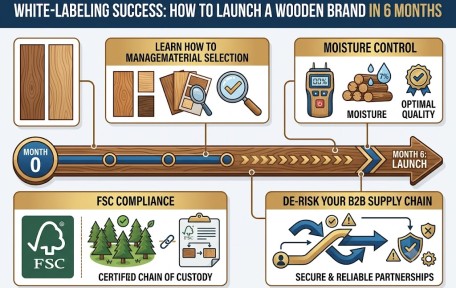
Our commitment to the planet begins at the source. We utilize FSC (Forest Stewardship Council) certified Acacia and bamboo, ensuring that our wood materials are harvested from responsibly managed forests. This dual layer of FSC and ISPM 15 certification assures your customers that your products are both legally compliant and ecologically restorative.
3. Advanced Moisture and Mold Mitigation
Biosecurity isn't just about insects; it is also about preventing mold and mildew growth during long ocean voyages. High humidity inside shipping containers can ruin natural fibers like rattan, water hyacinth, and seagrass. Ngoc Dong Ha Nam employs state-of-the-art dehumidification chambers post-production and integrates heavy-duty desiccant packs within our palletized shipments, ensuring your home decor arrives in pristine, retail-ready condition.
4. Internationally Audited Facilities
Our manufacturing and packing facilities are fully compliant with global social and environmental standards, holding prestigious certifications such as BSCI and SMETA. This rigorous external auditing guarantees that our biosecurity protocols are consistently maintained to the highest international standards.
SECURE YOUR SUPPLY CHAIN: PARTNER WITH A CERTIFIED SUSTAINABLE MANUFACTURER TODAY
In the competitive global home decor market, a secure and compliant supply chain is your greatest asset. Do not let non-compliant shipping pallets threaten your inventory, your timeline, or your brand's credibility. By partnering with Ngoc Dong Ha Nam, you gain a trusted ally dedicated to delivering exquisite, sustainable, and fully certified products directly to your warehouse without the headache of customs delays.
Ready to elevate your sourcing strategy with biosecurity-safe, eco-friendly home decor? Contact our B2B export consultation team today to receive a customized shipping plan tailored to your country's specific import regulations. Let us handle the logistics so you can focus on inspiring your clients with beautiful, sustainable designs.
Frequently Asked Questions
What is ISPM 15, and why is it mandatory for global shipping?
ISPM 15 (International Standards for Phytosanitary Measures No. 15) is an international treaty designed to prevent the spread of forest pests and diseases through wood packaging materials thicker than 6mm. It requires all such materials to be heat-treated or fumigated and stamped with the official IPPC mark before export.
Are natural fiber products like rattan and seagrass subject to ISPM 15?
No, processed natural fibers like rattan, seagrass, and water hyacinth are generally exempt from ISPM 15. However, any wooden pallets, crates, or dunnage used to carry these products in a shipping container must strictly comply with ISPM 15 regulations.
What happens if a shipment is found with non-compliant pallets?
If customs officials detect non-compliant or unstamped wood packaging, they can order the entire container to be quarantined, fumigated off-site at the buyer's expense, returned to the country of origin, or completely destroyed. This leads to massive delays and extreme financial penalties.
How does Ngoc Dong Ha Nam guarantee biosecurity compliance?
Ngoc Dong Ha Nam uses 100% certified heat-treated (HT) wooden pallets bearing the IPPC stamp, sources FSC-certified wood, and applies advanced moisture-control systems to prevent mold and pest development during transit. Our facilities are fully audited under BSCI and SMETA standards.