Sourcing Sustainable Elegance: The Ultimate B2B Guide to Importing Vietnamese Handicrafts
Key Takeaways
- •Vietnam is a global powerhouse for eco-friendly home decor, driven by abundant natural materials like seagrass, water hyacinth, rattan, bamboo, and FSC-certified acacia wood.
- •Successful B2B sourcing relies on verifying international compliance standards, including BSCI, SMETA, and FSC certifications, to protect brand reputation and satisfy ESG mandates.
- •Moisture control is the most critical quality assurance factor when importing natural fiber handicrafts; reliable manufacturers maintain moisture levels below 18% to prevent mold during maritime transit.
- •A structured, five-step sourcing process—spanning precise RFQs, rigorous sample validation, inline inspections, and optimized logistics—minimizes supply chain risks for global retailers and interior designers.
THE GLOBAL SHIFT: WHY TOP RETAILERS ARE TURNING TO VIETNAM FOR SUSTAINABLE HOME DECOR
In the rapidly evolving landscape of global retail, a profound paradigm shift is underway. Modern consumers are no longer merely buying products; they are investing in values. As environmental concerns take center stage, the demand for sustainable, ethically made home decor has transitioned from a niche trend to a non-negotiable market standard. For global B2B buyers, sourcing directors, and interior designers, this shift presents both an incredible opportunity and a complex logistical challenge.
The Rise of the Eco-Conscious Consumer
Today's home decor market is heavily influenced by a demographic that demands transparency, environmental stewardship, and social responsibility. From Europe's strict Green Deal initiatives to North America's growing corporate ESG (Environmental, Social, and Governance) mandates, the pressure is on retail brands to clean up their supply chains. Traditional synthetic materials and mass-produced plastics are rapidly losing market share to natural, biodegradable, and renewable alternatives. This is where the rich heritage of Vietnamese handicrafts enters the global spotlight.
Why Vietnam Has Become the Epicenter of Sustainable Sourcing
Vietnam has emerged as a premier destination for sourcing high-quality, sustainable handicrafts, capturing the attention of major global brands like IKEA, Target, and Zara Home. There are several macroeconomic and cultural reasons driving this momentum:
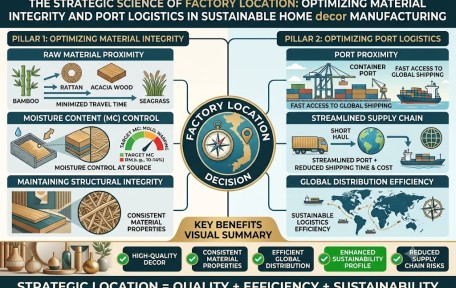
- Abundant Natural Resources: Vietnam’s unique geography provides an endless supply of fast-growing, renewable natural materials such as seagrass, water hyacinth, bamboo, rattan, and acacia wood.
- Deep-Rooted Artisanal Heritage: For centuries, traditional craft villages across Vietnam have passed down intricate weaving and woodworking techniques through generations. This ensures a level of craftsmanship and unique aesthetic appeal that mass production facilities simply cannot replicate.
- Strategic Supply Chain Diversification: Under the "China Plus One" strategy, global buyers are actively diversifying their manufacturing bases to mitigate geopolitical risks, tariff fluctuations, and supply chain disruptions. Vietnam offers a stable political environment, competitive labor costs, and highly favorable trade agreements (such as the EVFTA for European buyers).
However, navigating a foreign market and establishing a reliable, compliant supply chain is no small feat. This comprehensive guide is designed to take you behind the scenes of the Vietnamese handicraft industry, giving you the practical knowledge, technical insights, and step-by-step strategies needed to source successfully, ethically, and profitably.
FROM NATURE TO NARRATIVE: MASTERING VIETNAM'S ECO-FRIENDLY MATERIALS AND ARTISANAL CRAFTSMANSHIP
To successfully source from Vietnam, a B2B buyer must first understand the raw materials that form the foundation of these exquisite products. Each material carries its own unique story, structural properties, and aesthetic appeal. By matching the right material to your product line, you can create a compelling narrative that resonates deeply with your target audience.
1. Seagrass (Cói)
Harvested primarily from the coastal wetlands of northern and central Vietnam, seagrass is a remarkably durable and flexible material. Once harvested, it is sun-dried, sorted, and split into fine fibers before being woven into stunning baskets, rugs, placemats, and fashion accessories. Seagrass products are characterized by their natural, earthy green-to-beige coloration, pleasant herbal scent, and exceptional tensile strength. It is highly resistant to wear, making it perfect for high-traffic home decor items.
2. Water Hyacinth (Lục Bình)
Water hyacinth is an aquatic plant that grows abundantly in the waterways of the Mekong Delta. Because it grows so rapidly, harvesting it actually helps clear clogged rivers, making it one of the most environmentally positive materials available. When dried, water hyacinth stems become soft, thick, and incredibly pliable. Artisans braid and weave these stems over sturdy metal frames to create chunky, textured storage baskets, laundry hampers, and even lightweight furniture. Its warm, golden-brown hue adds an instant sense of cozy warmth to any interior space.
3. Bamboo (Tre) and Rattan (Mây)
Bamboo and rattan are the cornerstones of Vietnamese woodworking and furniture manufacturing. Bamboo is celebrated globally as one of the fastest-growing plants on Earth, boasting a tensile strength that rivals steel. It can be split, spun, or pressed into everything from kitchenware to structural lighting fixtures. Rattan, on the other hand, is a climbing vine that offers unparalleled flexibility. It can be steamed and bent into elegant, organic curves, making it the premier choice for mid-century modern and bohemian-style furniture, mirrors, and wall decor.
4. Acacia Wood
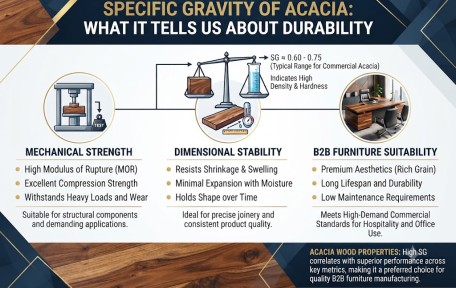
For solid wood home decor, acacia is Vietnam's star material. It is a dense, durable hardwood with a rich, contrasting grain pattern. Most importantly, acacia is grown extensively in managed plantations across Vietnam, allowing buyers to source beautiful wooden kitchenware, cutting boards, and small furniture pieces that are fully FSC (Forest Stewardship Council) certified, ensuring no contribution to deforestation.
The Heritage of Ha Nam Craft Villages
At the heart of this industry are traditional craft villages, such as those in Ha Nam province. For over a century, these communities have refined the art of weaving and woodworking. At Ngoc Dong Ha Nam, we have spent decades bridging the gap between this ancient heritage and modern global standards. By combining the unmatched skill of local artisans with state-of-the-art manufacturing facilities, we ensure that every piece of handwoven decor meets the rigorous quality, consistency, and scale required by international retailers.
NAVIGATING THE SOURCING LANDSCAPE: COMPLIANCE, CERTIFICATIONS, AND QUALITY ASSURANCE YOU CAN TRUST
While the aesthetic appeal of Vietnamese handicrafts is undeniable, professional B2B buyers operate in a world governed by strict compliance, risk mitigation, and quality benchmarks. Partnering with the wrong manufacturer can lead to catastrophic supply chain failures, including mold infestations, structural defects, and severe brand damage due to non-compliant labor practices. To secure your supply chain, you must demand rigorous compliance and quality assurance from your Vietnamese partners.
The Non-Negotiables: BSCI, SMETA, and FSC
When sourcing at a global scale, social and environmental compliance is your ultimate shield. Before signing any contract, verify that your manufacturer holds the following internationally recognized certifications:
- BSCI (Business Social Compliance Initiative): This certification guarantees that the factory adheres to strict ethical labor standards, including fair wages, safe working conditions, no child labor, and reasonable working hours. For European retailers, BSCI compliance is often a mandatory prerequisite.
- SMETA (Sedex Members Ethical Trade Audit): One of the most widely used ethical audit formats in the world, SMETA monitors health and safety, labor standards, environmental management, and business ethics.
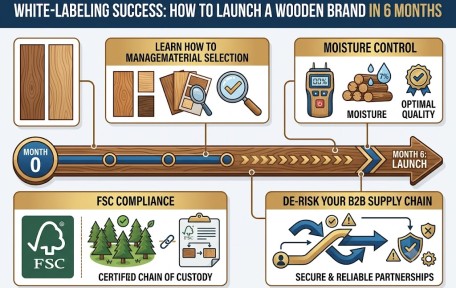
- FSC (Forest Stewardship Council): If you are importing wooden or bamboo handicrafts, FSC certification is essential. It proves that the wood was harvested from responsibly managed forests that provide environmental, social, and economic benefits.
At Ngoc Dong Ha Nam, we take pride in being a fully compliant, audit-ready partner. Our facilities maintain active BSCI, SMETA, and FSC certifications, giving our global clients complete peace of mind and protecting their brand reputation at every step of the supply chain.
Conquering the Moisture Challenge
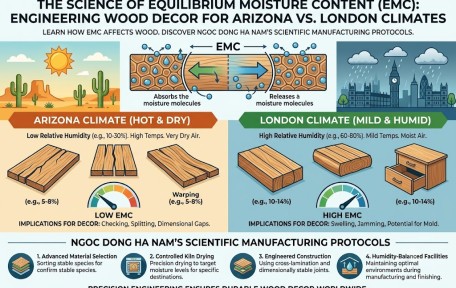
One of the most common and costly pitfalls in sourcing natural fiber handicrafts is mold. Natural fibers like seagrass and water hyacinth naturally absorb moisture from the air. If these products are packed and sealed in shipping containers with high moisture content, the extreme heat and humidity of a 30- to 45-day ocean voyage will inevitably trigger mold growth, ruining entire shipments.
To prevent this, professional manufacturers implement a strict moisture control protocol. At Ngoc Dong Ha Nam, we utilize advanced, industrial-grade kiln-drying facilities to ensure that all raw materials and finished products maintain a moisture content level of below 12% to 18% before packaging. We also conduct rigorous moisture tests using digital meters at multiple stages of production, and pack our goods with premium silica gel desiccant packs and specialized container liners to absorb any residual humidity during transit.
The Ngoc Dong Ha Nam Quality Assurance Blueprint
Our commitment to quality is built into every phase of our manufacturing process:
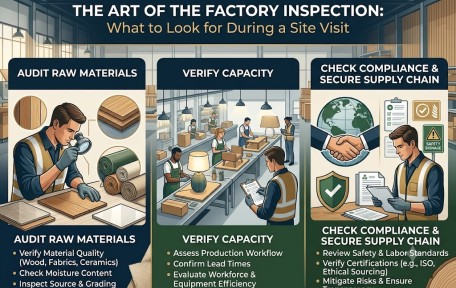
- Raw Material Inspection: We source only the highest-grade fibers and wood, rejecting materials with discoloration, structural weakness, or pest damage.
- In-Line Quality Control: Our QC inspectors monitor the weaving and assembly process daily, ensuring dimensional accuracy, weaving tightness, and structural integrity.
- Final Finishing and Treatment: Products are meticulously trimmed, sanded, and treated with non-toxic, eco-friendly protective coatings to enhance durability and prevent pest infestation.
- Pre-Shipment Inspection: Before any container is loaded, we conduct a final random inspection following international AQL (Acceptable Quality Limit) standards to guarantee that every single item meets our clients' exacting specifications.
YOUR STEP-BY-STEP BLUEPRINT TO SOURCING HANDICRAFTS FROM VIETNAM: FROM FIRST CONTACT TO FINAL DELIVERY
Transitioning from interest to action requires a structured, proven methodology. Sourcing from overseas can feel overwhelming, but by breaking the journey down into logical steps, you can build a seamless, highly efficient supply chain.
Step 1: Define Your Specifications and Send a Detailed RFQ
A successful sourcing project begins with absolute clarity. When preparing your Request for Quotation (RFQ), provide as much detail as possible. This should include:
- Detailed product sketches, 3D CAD files, or reference images.
- Exact dimensions, material preferences, and color codes (Pantone).
- Target packaging requirements (e.g., mail-order packaging, retail-ready barcodes, master carton specifications).
- Estimated Order Quantity (EOQ) and Target Price.
- Required compliance certifications (e.g., BSCI, FSC).
Step 2: Sample Development and Prototyping
Never place a mass production order without thoroughly evaluating a physical prototype. The sampling phase is where your design meets reality. Work closely with the manufacturer’s design team to refine the product. Pay close attention to:
- Weaving consistency and structural stability.
- Color accuracy under different lighting conditions.
- How the product handles weight and daily wear.
At Ngoc Dong Ha Nam, we boast a dedicated R&D department capable of turning your sketches into physical, production-ready samples within 7 to 10 days, allowing you to fast-track your product launch.
Step 3: Contract Negotiation and Compliance Audits
Once you are satisfied with the sample, negotiate the commercial terms. Ensure your contract clearly outlines:
- Payment terms (typically 30% deposit, 70% against Bill of Lading, or Letter of Credit).
- Definite production lead times (usually 45 to 60 days depending on the season and volume).
- Quality acceptance criteria based on AQL standards.
- Intellectual property protection clauses to safeguard your unique designs.
Step 4: Mass Production and Inline Inspections
During mass production, maintain open communication with your supplier. If you are sourcing at a high volume, consider hiring a reputable third-party inspection agency (such as SGS, TÜV Rheinland, or QIMA) to conduct an inline inspection when production is 20% to 50% complete. This allows you to catch and rectify any quality deviations early in the process, preventing costly delays.
Step 5: Logistics, Shipping, and Customs Clearance
Handicrafts are lightweight but bulky, meaning ocean freight is the most cost-effective shipping method. Work with an experienced freight forwarder who understands the nuances of importing from Vietnam. Ensure your shipping documents—including the Commercial Invoice, Packing List, Bill of Lading, Certificate of Origin (C/O), and Fumigation Certificate—are meticulously prepared to ensure smooth customs clearance at your destination port.
Partner with Ngoc Dong Ha Nam: Your Trusted Sustainable Sourcing Partner
Sourcing sustainable handicrafts from Vietnam does not have to be a complex, high-risk endeavor. By partnering with an experienced, globally compliant manufacturer like Ngoc Dong Ha Nam, you gain access to a world-class supply chain, centuries of artisanal expertise, and a dedicated team committed to your brand's success.
Whether you are looking to develop a custom private-label collection, source eco-friendly home storage solutions, or elevate your retail product line with beautiful, handwoven decor, we are here to bring your vision to life. Contact our international sales team today to request a catalog, schedule a virtual showroom tour, or initiate your first sample development project.
FREQUENTLY ASKED QUESTIONS
What are the most popular sustainable materials used in Vietnamese handicrafts?
The most popular materials are seagrass, water hyacinth, rattan, bamboo, and acacia wood. These rapid-growth, biodegradable materials are harvested sustainably and woven into high-quality home decor items like baskets, rugs, and furniture.
How can international buyers verify the reliability of a Vietnamese handicraft supplier?
Buyers should verify international certifications such as BSCI (Business Social Compliance Initiative), SMETA (Sedex Members Ethical Trade Audit), and FSC (Forest Stewardship Council). Additionally, requesting factory audits, sample evaluations, and checking their export track record are crucial steps.
How do Vietnamese manufacturers prevent mold and moisture damage during shipping?
Reputable manufacturers like Ngoc Dong Ha Nam utilize advanced kiln-drying facilities, humidity-controlled storage, and strict quality checks to ensure moisture content remains below 12-18%. They also use silica gel desiccant packs and specialized container liners during maritime transit.
What is the typical Lead Time for manufacturing and shipping handicrafts from Vietnam?
Typical production lead times range from 45 to 60 days after sample approval and deposit payment, depending on the order volume and design complexity. Shipping to North America or Europe usually takes an additional 30 to 45 days.