State of Acacia in Outdoor Settings: Maintenance Trends and Future Outlook for Patio Furniture
Executive Summary: The Resurgence of Acacia Wood in Global Outdoor Living
Welcome to the 2026 state of the industry report on sustainable outdoor living materials. For global buyers, procurement specialists, and leading interior designers, the outdoor furniture sector represents a critical growth vector. Among the myriad of materials available, Acacia wood has emerged as a dominant force, striking an unprecedented balance between aesthetic brilliance, structural durability, and commercial viability.
As the Marketing Director and Sustainable Supply Chain Consultant for Ngoc Dong Ha Nam, I have witnessed firsthand the exponential rise in demand for responsibly sourced Acacia patio furniture. However, the true value of Acacia is unlocked only through comprehensive lifecycle management. This trend report delves deep into the essential maintenance protocols, market shifts, and sustainable sourcing strategies that define Acacia in outdoor settings today.
By understanding the intersection of material science and environmental stewardship, B2B stakeholders can confidently specify Acacia, ensuring end-user satisfaction, mitigating return rates, and aligning with global ESG (Environmental, Social, and Governance) mandates. Our analysis follows the trajectory of Acacia from raw, FSC-certified timber to the centerpiece of luxury patio designs, providing actionable insights for the modern supply chain. The future of outdoor decor is green, resilient, and meticulously maintained.
Current Landscape: Assessing Acacia's Role in Modern Patio Settings
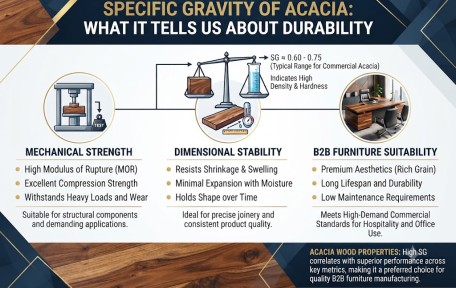
To fully appreciate the maintenance requirements of Acacia wood, we must first understand its current positioning in the global home decor landscape. Acacia is a dense, highly durable hardwood naturally endowed with a rich concentration of natural oils and resins. These inherent properties make it intrinsically resistant to moisture, rot, and insect infestation, positioning it as a formidable rival to traditionally favored, yet increasingly cost-prohibitive, woods like Teak.
In the current market, interior designers favor Acacia for its dynamic grain patterns and warm, multidimensional hues, which seamlessly bridge the gap between rustic charm and contemporary minimalism. However, the current landscape also reveals a critical knowledge gap at the consumer level regarding patio furniture care. When exposed to the relentless triad of UV radiation, fluctuating humidity, and seasonal precipitation without adequate protection, Acacia's natural defenses can be compromised.
The Maintenance Challenge
The industry is currently witnessing a paradigm shift where B2B buyers are no longer just purchasing products; they are investing in product longevity. The baseline maintenance standard currently involves bi-annual cleaning using non-abrasive, pH-neutral solutions, followed by the application of specialized hardwood oils. Yet, the challenge remains: how do we elevate these maintenance practices from reactive to proactive?
For bulk buyers and retailers, the aesthetic degradation of untreated outdoor furniture directly correlates with brand perception. Consequently, there is a growing imperative for manufacturers to deliver Acacia furniture with superior, factory-applied protective finishes that delay the onset of weathering, while simultaneously equipping the retail tier with robust, easy-to-follow maintenance education for the end consumer. A well-maintained Acacia dining set is not just a piece of furniture; it is a testament to sustainable living.
Key Trends in Acacia Maintenance and Sustainable Sourcing
The trajectory of Acacia in outdoor settings is being shaped by several converging trends, deeply rooted in both technological advancement and ethical consumption. The modern buyer demands performance without compromising the planet.
Technological and Aesthetic Shifts
- Advanced Nano-Coatings: We are moving away from traditional, high-VOC (Volatile Organic Compounds) varnishes towards advanced, water-based nano-coatings. These innovative sealants penetrate the dense cellular structure of the Acacia wood, providing a breathable yet highly effective barrier against UV degradation and moisture ingress. This trend directly addresses the maintenance pain points of the end-user, significantly extending the intervals between required oiling treatments.
- The 'Graceful Aging' Aesthetic: While some consumers prefer to maintain the original honey-golden luster of fresh Acacia through rigorous oiling, a growing segment of top-tier interior designers is embracing the natural silver-grey patina that develops when the wood is intentionally left to weather. This shift requires a different maintenance approach—focusing on structural integrity and anti-fungal treatments rather than color preservation.
The Rise of ESG Compliance
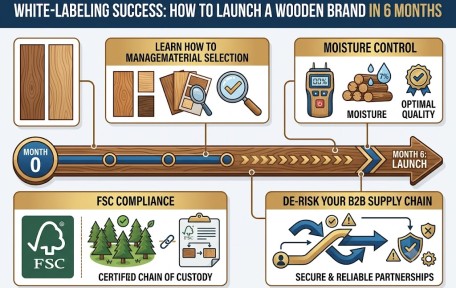
Perhaps the most profound trend dictating the B2B procurement of Acacia is the non-negotiable demand for sustainable and ethical supply chains. Global buyers are under intense scrutiny to ensure their sourcing practices do not contribute to deforestation or human rights abuses. This is where international certifications become paramount.
At Ngoc Dong Ha Nam, our Acacia is exclusively sourced from FSC (Forest Stewardship Council) certified forests, guaranteeing environmental responsibility. Furthermore, our production facilities adhere strictly to BSCI (Business Social Compliance Initiative) and SMETA (Sedex Members Ethical Trade Audit) standards. This dual commitment ensures that every piece of Acacia furniture not only meets the highest physical maintenance standards but also aligns with the stringent ESG criteria demanded by today's conscientious global market.
Future Outlook: Innovations in Weatherproofing and Longevity
Looking toward the horizon of 2026 and beyond, the future of Acacia outdoor furniture is intrinsically linked to the principles of the circular economy and advanced material engineering. The desire for seamless indoor-outdoor living spaces continues to blur the lines between interior and exterior design, demanding patio furniture that exhibits the refinement of indoor pieces while withstanding the harsh realities of the outdoors.
Smart Finishes and Circular Design
We anticipate a surge in the development of 'smart' bio-based finishes—sealants derived from natural plant waxes and resins that mimic the wood's natural defenses, offering unprecedented weatherproofing without compromising the material's organic tactile qualities. These eco-friendly treatments will define the next generation of premium outdoor living.
Data-Driven Procurement
Furthermore, the future outlook suggests a shift in how B2B buyers evaluate supplier partnerships. The focus will move from mere transactional purchasing to collaborative lifecycle management. Suppliers will be expected to provide comprehensive digital documentation of their products, detailing the exact origin of the Acacia, the specific chemical composition of the factory finish, and predictive maintenance schedules based on varying global climates.
This data-driven approach will empower interior designers to specify Acacia with absolute confidence, knowing precisely how the material will behave and what maintenance it will require over a ten or twenty-year lifespan. As climate patterns become increasingly unpredictable, the inherent resilience of Acacia, coupled with these next-generation maintenance protocols, will solidify its position as the premier choice for sustainable, luxury outdoor settings.
Strategic Recommendations for Global Buyers and Designers
To capitalize on the enduring appeal and profitability of Acacia outdoor furniture, B2B stakeholders must adopt a proactive, informed approach to sourcing and maintenance education. Here are the strategic imperatives for buyers and interior designers seeking to lead the market.
Actionable Procurement Strategies
- Institutionalize Sourcing Standards: Mandate that all Acacia procurement is backed by verifiable FSC certifications. Partner exclusively with manufacturers who operate under transparent, BSCI and SMETA audited frameworks. This mitigates supply chain risk and elevates your brand's ethical standing in a competitive marketplace.
- Redefine the Product Offering with Maintenance in Mind: Do not just sell a piece of furniture; sell a lifecycle. Collaborate with manufacturers to specify premium, low-VOC factory finishes that offer immediate weather resistance. Simultaneously, develop comprehensive, beautifully designed 'Care Guides' to accompany every retail unit or design installation. Educate your clients on the necessity of seasonal cleaning, the correct application of hardwood oils, and the importance of using breathable furniture covers during extreme weather.
- Embrace the Design Versatility: Interior designers should leverage Acacia's dual aesthetic potential. Present clients with the choice between maintaining the warm, original finish through regular upkeep, or allowing the wood to transition into a sophisticated, low-maintenance silver patina. Setting expectations early ensures long-term client satisfaction.
- Forge Strategic Manufacturer Partnerships: Move beyond the traditional buyer-vendor dynamic. Engage with forward-thinking manufacturers like Ngoc Dong Ha Nam, who deeply understand the nuances of natural materials—not just Acacia, but also Bamboo, Seagrass, Rattan, and Water Hyacinth. By aligning with experts who prioritize both world-class craftsmanship and sustainable lifecycle management, you ensure that your outdoor furniture portfolios remain competitive, resilient, and deeply resonant with the eco-conscious consumer of tomorrow.
Frequently Asked Questions
How often should Acacia outdoor furniture be oiled or sealed?
For optimal preservation of its original warm hue, Acacia furniture should be cleaned and treated with a high-quality, UV-resistant hardwood oil every 3 to 6 months, depending on the severity of the local climate and sun exposure.
Can Acacia wood be left outdoors during winter?
While highly durable, Acacia should not be exposed to freezing temperatures and standing snow. It is highly recommended to store the furniture indoors or in a dry shed during winter. If left outside, use breathable, waterproof furniture covers to prevent moisture accumulation and structural cracking.
Why is FSC certification critical for B2B Acacia sourcing?
FSC (Forest Stewardship Council) certification ensures the wood is harvested from responsibly managed forests. For B2B buyers, this guarantees compliance with global environmental regulations, meets corporate ESG goals, and appeals to the increasingly eco-conscious end consumer.
How does Acacia compare to Teak for patio furniture?
Acacia offers a similar density and natural weather resistance to Teak due to its rich oil content, but at a significantly more accessible price point. When sourced sustainably and maintained correctly, Acacia provides an exceptional return on investment and a beautiful, long-lasting aesthetic.