
State of Sustainable Sourcing: Why FSC Certification is the New Mandate for EU Exports
Key Takeaways
- •FSC (Forest Stewardship Council) certification provides an internationally recognized guarantee that wood and non-timber forest products are harvested sustainably.
- •The European Union Deforestation Regulation (EUDR) has shifted FSC certification from a voluntary green credential to a mandatory legal requirement for all imports.
- •B2B buyers and interior designers face severe supply chain disruptions, customs rejections, and brand damage if they source uncertified natural materials.
- •Partnering with manufacturers that hold integrated certifications like FSC, BSCI, and SMETA ensures both environmental traceability and ethical labor practices.
- •Ngoc Dong Ha Nam offers a fully compliant, risk-free supply chain for premium home decor crafted from FSC-certified Acacia, Bamboo, and Rattan.
Executive Summary: The Dawn of Mandatory Sustainability in EU Imports
The global home decor and furniture market is undergoing a seismic regulatory shift. For decades, sustainability was viewed by many B2B buyers and interior designers as a premium add-on—a desirable 'nice-to-have' feature tailored for niche, eco-conscious consumers. Today, that paradigm has been entirely dismantled. As we navigate 2026, sustainability is a strict, unavoidable legal mandate. The European Union has drawn a definitive line in the sand with the implementation of stringent environmental frameworks, most notably the European Union Deforestation Regulation (EUDR). This sweeping legislation requires absolute traceability for all wood and forest-based products entering the EU market.
For global buyers, procurement officers, and interior design firms, the stakes have never been higher. Sourcing products without rigorous environmental documentation now carries the risk of seized shipments, crippling fines, and irreversible reputational damage. At the heart of this regulatory revolution is FSC (Forest Stewardship Council) Certification. It is no longer merely a badge of honor; it is the essential passport for exporting natural home decor to the European market. In this trend report, we will analyze the current state of sustainable sourcing, explore the cascading impacts of EU regulations on global supply chains, and outline strategic steps to future-proof your procurement strategy by partnering with fully compliant, world-class manufacturers like Ngoc Dong Ha Nam.
Current Landscape: Decoding FSC Certification and the EUDR Shift
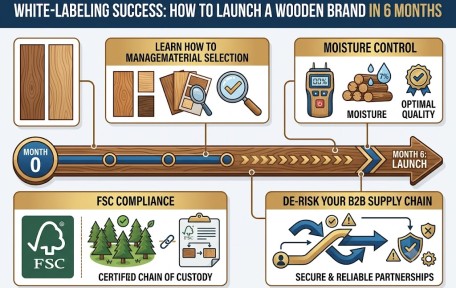
To understand the current supply chain landscape, we must first address a foundational question: What is FSC Certification? The Forest Stewardship Council (FSC) is an internationally recognized, non-profit organization that sets the global standard for responsible forest management. When a product bears the FSC label, it guarantees that the materials—whether it is Acacia wood for outdoor furniture or Rattan for intricate woven baskets—were harvested in a way that preserves biological diversity, benefits local communities, and ensures economic viability. The FSC chain of custody tracks the material from the forest all the way to the final consumer, ensuring zero contamination with uncertified, potentially illegal timber.
Historically, B2B buyers could rely on a mix of certified and uncertified suppliers, balancing cost against sustainability goals. However, the current landscape has been radically altered by the European Union. Under the EUDR, any operator placing wood-based products on the EU market must prove that the products do not originate from recently deforested land or have contributed to forest degradation. While FSC certification itself is not the sole legal requirement of the EUDR, it is universally recognized as the most robust, reliable tool to ensure compliance with the regulation's strict traceability demands. Customs authorities across Europe are now rigorously auditing incoming shipments. Without the meticulous documentation provided by the FSC framework, shipments of natural material home decor are routinely delayed or rejected at the border. This new reality has forced a rapid consolidation in the supply chain, as global buyers scramble to abandon non-compliant vendors in favor of established, certified manufacturers.
Key Trends: The Rise of Eco-Conscious Interior Design and Holistic Sourcing
As we analyze global procurement behaviors in the B2B home decor sector, several defining trends are shaping the market.
Trend 1: Traceability as the Ultimate Luxury
Modern luxury is no longer defined solely by aesthetics or craftsmanship; it is defined by transparency. High-end interior designers and global retail brands are experiencing intense pressure from end-consumers to prove the ethical origins of their products. A beautiful woven Bamboo chair or an elegant Seagrass rug loses its appeal if its creation harmed a delicate ecosystem. Consequently, B2B buyers are demanding full supply chain visibility. FSC certification provides this transparent narrative, transforming a simple piece of furniture into a compelling story of environmental stewardship.
Trend 2: The Integration of Environmental and Social Compliance
Another major trend is the shift from single-issue certifications to holistic sustainability. Buyers are no longer satisfied with just environmental protection; they demand ethical labor practices as well. The most sought-after manufacturing partners are those who combine FSC certification with rigorous social audits like BSCI (Business Social Compliance Initiative) and SMETA (Sedex Members Ethical Trade Audit). This integrated approach ensures that the artisans hand-weaving Water Hyacinth baskets or carving Acacia wood are treated fairly, paid living wages, and work in safe conditions. Ngoc Dong Ha Nam has pioneered this holistic approach in Vietnam, offering buyers a comprehensive suite of certifications that completely eliminate ethical risks from the procurement process.
Trend 3: Material Substitution and Innovation
With traditional timber facing heavy scrutiny, there is a massive surge in demand for fast-growing, highly renewable natural materials. Bamboo, Rattan, Seagrass, and Water Hyacinth are dominating global design exhibitions. However, buyers must be aware that even non-timber forest products like Bamboo and Rattan fall under the umbrella of responsible forest management. The trend is moving towards securing FSC-certified Bamboo and Rattan, ensuring that the harvesting of these rapid-growth materials does not disrupt local biodiversity. Innovative manufacturers are blending these certified materials to create stunning, contemporary designs that meet strict EU standards without compromising on visual appeal.
Future Outlook: Navigating Supply Chain Resilience and Brand Protection
Looking ahead to the remainder of 2026 and into 2027, the enforcement of EU environmental regulations will only become more stringent. The future of B2B home decor sourcing is undeniably green, and the window for transitioning to sustainable supply chains is closing rapidly. We project that within the next 24 months, uncertified wood and forest products will be effectively locked out of the European market, and similar legislative frameworks will likely be adopted by North American and Asian markets.
For global buyers, this future presents both a significant risk and a profound opportunity. Brands that fail to adapt will face chronic supply chain disruptions, legal penalties, and a catastrophic loss of consumer trust. Conversely, brands that proactively secure FSC-certified supply lines will enjoy a distinct competitive advantage. They will benefit from streamlined customs clearances, preferential treatment from eco-conscious retailers, and the ability to command premium pricing. Furthermore, aligning with sustainable practices builds long-term supply chain resilience. By sourcing from well-managed forests, buyers insulate themselves from the extreme price volatility and resource scarcity associated with illegal logging and deforestation. The future belongs to those who view FSC certification not as a regulatory burden, but as a strategic asset for brand elevation and operational stability.
Strategic Recommendations: Securing Your Supply Chain with Ngoc Dong Ha Nam
To thrive in this heavily regulated, eco-conscious market, B2B buyers and interior designers must take immediate, decisive action. Here are our strategic recommendations for securing your supply chain and ensuring seamless EU exports.
1. Conduct a Comprehensive Supplier Audit
Begin by mapping your entire current supply chain. Demand up-to-date FSC, BSCI, and SMETA documentation from all your vendors. If a supplier cannot provide transparent, verifiable proof of their chain of custody, they are a liability to your EU export strategy. Transition away from opaque vendors immediately.
2. Mandate FSC Certification in Procurement Policies
Update your internal purchasing guidelines to make FSC certification a non-negotiable requirement for all natural material sourcing, including Acacia, Bamboo, and Rattan. This proactive policy shift will protect your brand from future regulatory updates and align your company with the highest global standards of sustainability.
3. Partner with a Proven Industry Leader
The most effective way to eliminate risk is to partner with a manufacturer that has already mastered the complexities of sustainable production. Ngoc Dong Ha Nam stands as a premier partner for global buyers. With deep expertise in crafting world-class home decor from Acacia, Bamboo, Seagrass, Rattan, and Water Hyacinth, we hold comprehensive FSC, BSCI, and SMETA certifications. By choosing Ngoc Dong Ha Nam, you are not just buying a product; you are investing in a secure, ethical, and fully EU-compliant supply chain. Contact our expert team today to discover how our sustainable manufacturing capabilities can elevate your brand and guarantee your success in the European market.
Frequently Asked Questions
What exactly is FSC certification?
FSC (Forest Stewardship Council) certification is an internationally recognized standard ensuring that wood, paper, and non-timber forest products are sourced from responsibly managed forests that provide environmental, social, and economic benefits.
Why is FSC certification mandatory for exporting to the EU?
Under the European Union Deforestation Regulation (EUDR), importers must prove their products do not contribute to deforestation. FSC certification provides the rigorous chain-of-custody documentation required by EU customs to verify sustainable origins, making it a functional prerequisite for market entry.
Does FSC certification apply to non-wood materials like bamboo and rattan?
Yes. While often associated with timber, FSC certification also covers non-timber forest products like bamboo and rattan, ensuring these fast-growing materials are harvested without damaging local ecosystems or biodiversity.
How does Ngoc Dong Ha Nam ensure compliance with EU sustainability regulations?
Ngoc Dong Ha Nam maintains strict adherence to global standards by holding active FSC, BSCI, and SMETA certifications. We guarantee full traceability from raw material harvesting to final production, ensuring zero risk for our B2B buyers exporting to the EU.