
The 2026 State of Green Corporate Gifting: Why Premium Wood is Redefining B2B Sustainability
Key Takeaways
- •Corporate gifting is shifting away from cheap, disposable plastics toward high-quality, FSC-certified wooden products to align with strict global ESG and EUDR mandates.
- •Certified wood, such as Acacia and Bamboo, offers superior durability, biophilic appeal, and brand prestige compared to synthetic alternatives.
- •Partnering with certified manufacturers (BSCI, SMETA) ensures ethical labor standards and seamless global supply chain compliance for corporate buyers.
EXECUTIVE SUMMARY: THE EVOLUTION OF B2B GIFTING IN THE ECO-CONSCIOUS ERA
In an era where corporate responsibility is no longer a marketing afterthought but a core business metric, the traditional corporate gifting landscape is undergoing a massive paradigm shift. For decades, the B2B gifting market was dominated by mass-produced, synthetic novelties that quickly found their way into landfills. Today, global procurement managers, HR directors, and interior designers are demanding a new standard: gifts that reflect corporate values, demonstrate environmental stewardship, and offer long-lasting utility.
This analytical report explores the rapid rise of green corporate gifting, focusing on why premium natural wood has emerged as the ultimate sustainable medium. As organizations align their procurement strategies with global ESG (Environmental, Social, and Governance) frameworks, the choice of corporate gifts has become a direct reflection of a company's brand identity. By transitioning to certified wood and natural fibers, businesses can deliver memorable, high-end experiences that honor both the recipient and the planet.
THE CURRENT LANDSCAPE: MOVING BEYOND 'GREENWASHING' TO TANGIBLE SUSTAINABILITY
The modern B2B buyer is highly sophisticated and increasingly skeptical of vague eco-friendly claims. 'Greenwashing' is no longer tolerated; instead, corporate procurement teams require verifiable proof of sustainability. Regulatory pressures, such as the European Union Deforestation Regulation (EUDR) and tightening carbon disclosure requirements, are forcing companies to audit every aspect of their supply chain—including promotional merchandise and corporate gifts.
Traditional plastic-based corporate swag has created what industry insiders call 'swag fatigue.' Recipients are tired of cheap plastic pens, synthetic tech gadgets, and low-quality polyester bags that break after a single use. This excess not only damages a company's reputation but also actively contradicts its corporate sustainability goals. In contrast, premium wooden corporate gifts—such as handcrafted Acacia serving boards, elegant bamboo desktop organizers, and artisanal wooden kitchenware—offer a tangible, high-quality alternative that carries inherent emotional and functional value. Wood is inherently circular, biodegradable, and possesses a low carbon footprint when sourced responsibly, making it the ideal material for forward-thinking brands.
KEY TRENDS: THE ATTRIBUTES MAKING WOOD THE ULTIMATE SUSTAINABLE CORPORATE GIFT
Why Premium Wood Dominates the Sustainable Gifting Market
Several key trends are driving the adoption of wooden products in the global B2B gifting sector. These trends highlight the unique material properties and ethical manufacturing processes that set premium wood apart from other materials.
1. Certified Sourcing (FSC) and Global Compliance
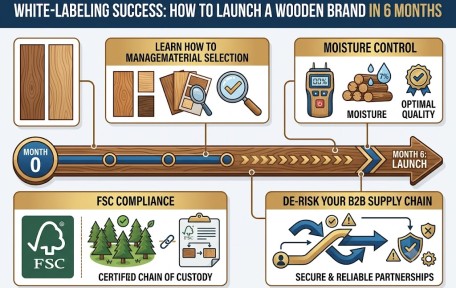
The transition to sustainable gifting relies heavily on certified supply chains. Buyers are prioritizing products made from FSC (Forest Stewardship Council) certified wood. FSC certification guarantees that the wood is harvested from responsibly managed forests that provide environmental, social, and economic benefits. Furthermore, working with manufacturers who undergo rigorous social audits, such as BSCI and SMETA, ensures that the artisans and workers producing these gifts are treated ethically, paid fair wages, and provided with safe working conditions.
2. The Biophilic Design and Sensory Connection
In a highly digitalized corporate world, there is a growing desire for physical, tactile connections to nature. This is known as biophilic design. Premium hardwoods like Acacia and highly renewable grass-woods like Bamboo offer unique grain patterns, warm organic textures, and natural aromas that synthetic materials simply cannot replicate. A beautifully finished wooden coaster set or a desktop tray on a modern office desk brings a touch of nature indoors, enhancing well-being and creating a lasting, positive association with the gifting brand.
3. Exceptional Durability and Longevity
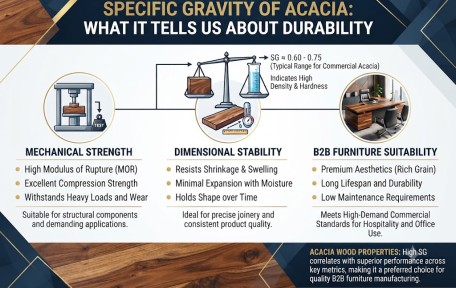
Unlike plastic or cheap metals, high-quality wood ages beautifully. Acacia wood, for instance, is naturally dense, highly water-resistant, and scratch-resistant, making it perfect for daily-use items like cutting boards, serving platters, and office accessories. When a corporate gift lasts for years—or even decades—it acts as a continuous, subtle touchpoint for the brand, maximizing the return on investment (ROI) of the gifting campaign while minimizing waste.
4. Customization via Non-Toxic Artisanship
Modern wooden gifts can be customized without relying on toxic chemical inks or plastics. Advanced laser engraving and hot stamping techniques allow companies to elegantly etch their logos or personalized messages directly into the wood grain. When combined with natural oil finishes (such as food-safe linseed or beeswax), the entire product remains 100% biodegradable and non-toxic, preserving its green credentials from production to end-of-life.
FUTURE OUTLOOK: THE INTERSECTION OF CORPORATE ESG GOALS AND PREMIUM CRAFTSMANSHIP
Looking toward the future, the integration of sustainability and luxury design will continue to accelerate. We anticipate that corporate gifting will become highly curated, moving away from bulk, low-cost orders toward limited-edition, artisan-crafted collections. Companies will seek out manufacturing partners who can combine different natural materials—such as pairing FSC-certified Acacia wood with hand-woven seagrass, rattan, or water hyacinth accents—to create multi-textured, visually stunning lifestyle products.
Additionally, the digital integration of product supply chains will become standard. Future corporate buyers will expect QR codes engraved on wooden gifts, allowing recipients to instantly trace the product's origin, view the certifications of the forest it came from, and learn about the artisans in Vietnam who crafted it. This level of transparency transforms a simple gift into a powerful storytelling tool that reinforces the donor's commitment to global ethical trade.
Strategic Recommendations for Global Procurement Directors and Designers
To maximize the impact of your corporate gifting initiatives, we recommend the following strategic actions:
- Audit Your Current Gifting Supply Chain: Transition away from non-recyclable plastics and uncertified materials. Establish clear guidelines that prioritize renewable resources like FSC-certified wood and bamboo.
- Focus on High-Utility, Everyday Items: Choose products that serve a practical purpose in the recipient's daily life, such as premium Acacia kitchenware for home entertaining or elegant desktop organizers for the office. High utility guarantees long-term brand exposure.
- Partner Directly with Certified Manufacturers: Eliminate middlemen by working directly with established manufacturers like Ngoc Dong Ha Nam in Vietnam. Direct partnerships ensure rigorous quality control, competitive wholesale pricing, and compliance with international standards such as BSCI, SMETA, and FSC.
- Leverage the Power of Storytelling: Accompany your wooden gifts with minimalist, recycled paper packaging that highlights the sustainable origin of the materials and the social impact of supporting traditional artisan communities.
FREQUENTLY ASKED QUESTIONS
Why is wood considered a more sustainable corporate gift than other materials?
Wood is a renewable, biodegradable, and carbon-sequestering material. When sourced from FSC-certified forests, it guarantees zero deforestation and supports circular economy principles, unlike plastic or cheap metal alternatives.
How can B2B buyers verify the sustainability of wooden corporate gifts?
Buyers should look for internationally recognized certifications such as FSC (Forest Stewardship Council) for responsible forestry, and BSCI or SMETA audits to ensure ethical and safe manufacturing conditions.
What types of wooden items are most popular for corporate gifting?
High-utility, premium items like Acacia wood serving boards, desktop organizers, bamboo kitchenware, and custom-engraved coaster sets are highly valued for their longevity, aesthetics, and daily usability.
Can wooden corporate gifts be customized for branding?
Yes, premium wooden gifts can be easily customized using laser engraving, hot stamping, or food-safe non-toxic finishes, allowing brands to showcase their logos elegantly without compromising eco-friendliness.