The 2026 Woodware Design Report: Embracing Minimalism and Multi-Functionality in Sustainable B2B Sourcing
Key Takeaways
- The 2026 woodware market is dominated by warm minimalism and multi-functional designs that maximize utility in shrinking urban living spaces.
- Sustainable material synergy—combining FSC-certified Acacia and bamboo with natural woven fibers like seagrass and rattan—is the leading design trend for eco-conscious consumers.
- Global B2B buyers must prioritize suppliers with robust ESG credentials, including FSC, BSCI, and SMETA certifications, to comply with tightening international regulations like the EUDR.
- Modular woodware and zero-waste engineering are critical for reducing shipping volumes, lowering carbon footprints, and optimizing container load factors in the global supply chain.
EXECUTIVE SUMMARY: THE CONVERGENCE OF FORM, FUNCTION, AND SUSTAINABILITY IN 2026 WOODWARE
As we navigate the design landscape of 2026, the global home decor and housewares market is undergoing a profound paradigm shift. Driven by a combination of accelerating urbanization, conscious consumerism, and stringent environmental regulations, the demand for sustainable woodware has transitioned from a niche preference to an absolute market standard. Today's global buyers and interior designers are no longer just looking for aesthetically pleasing products; they are searching for high-performance, eco-friendly, and versatile solutions that resonate with the values of modern consumers.
This comprehensive trend report explores the two defining pillars of 2026 woodware design: Minimalism and Multi-functionality. At Ngoc Dong Ha Nam, we have observed that these two design philosophies are not merely stylistic choices but strategic responses to global living conditions. By combining the organic warmth of sustainably sourced woods with smart, space-saving engineering, manufacturers are redefining how we interact with everyday household objects. This report provides an in-depth analysis of these trends, the materials driving them, and the strategic supply chain considerations that global B2B buyers must adopt to stay ahead of the curve in 2026.
THE CURRENT LANDSCAPE: MACRO DRIVERS RESHAPING GLOBAL HOME DECOR SOURCING
To understand the trajectory of woodware design in 2026, we must first examine the macroeconomic and demographic forces shaping consumer behavior. The modern home has evolved. No longer just a sanctuary, it functions as a workspace, a wellness center, and an entertainment hub. This multi-dimensional use of space has created a premium on square footage, driving the demand for products that serve multiple purposes without cluttering the environment.
1. Spatial Compression and Urbanization
With more than half of the world's population residing in urban areas, living spaces are shrinking. In major metropolitan hubs across North America, Europe, and Asia, micro-apartments and compact homes are the norm. Consequently, consumers are seeking high-quality, minimalist woodware that maximizes vertical space, offers hidden storage, or can be easily repurposed. A simple wooden tray is no longer just a serving accessory; it must transition seamlessly into a laptop stand, a decorative centerpiece, or an organizer.
2. The Regulatory Imperative: EUDR and Ethical Sourcing
The global regulatory environment has tightened significantly. With the full implementation of the European Union Deforestation Regulation (EUDR) and similar frameworks worldwide, traceability and sustainability are non-negotiable. Global buyers face immense legal and reputational risks if their supply chains contribute to deforestation or unethical labor practices. This has elevated the importance of certifications such as the Forest Stewardship Council (FSC), Business Social Compliance Initiative (BSCI), and SMETA (Sedex Members Ethical Trade Audit). In 2026, a product's origin story is as critical as its design.
3. The Rise of 'Warm Minimalism'
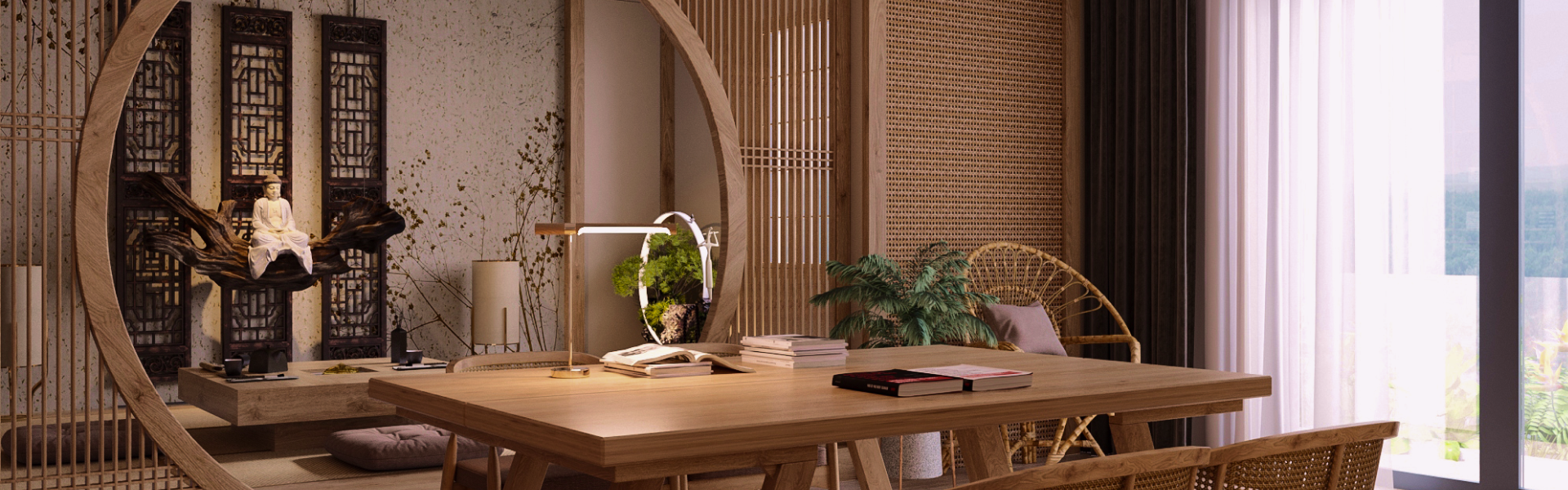
While the previous decade was dominated by cold, clinical, industrial minimalism, 2026 welcomes 'Warm Minimalism'. This design movement emphasizes soft curves, tactile surfaces, and organic materials that bring nature indoors. Wood, with its unique grain patterns and thermal properties, is the ideal medium for this aesthetic. Consumers are moving away from cheap plastics and synthetic composites in favor of natural Acacia, bamboo, and woven fibers that age gracefully and tell a story of craftsmanship.
DECODING THE KEY TRENDS: MINIMALISM, MULTI-FUNCTIONALITY, AND MATERIAL SYNERGY
The core of 2026 woodware design lies in the intelligent integration of minimalist aesthetics and multi-functional engineering. Below, we break down the specific design trends that are capturing the attention of international procurement managers and interior designers.
Trend 1: Organic Minimalism (Warm Minimalist Woodware)
Organic minimalism is characterized by clean lines, rounded edges, and matte, non-toxic finishes that highlight the natural beauty of the wood grain. Instead of heavy ornamentation, designers are using the inherent texture of the wood as the primary decorative element. At Ngoc Dong Ha Nam, we utilize premium Acacia wood and sustainable bamboo to create kitchenware, tabletop organizers, and bath accessories that embody this trend. The focus is on simplicity, durability, and a sensory connection to the earth.
Trend 2: Modular and Multi-functional Designs
In 2026, versatility is the ultimate luxury. Multi-functional woodware is designed to adapt to the changing needs of the user throughout the day. Key product categories experiencing high growth include:
- Convertible Storage: Wooden crates and boxes that stack to form modular shelving units, featuring lids that double as cutting boards or serving trays.
- Adjustable Organizers: Drawer dividers and desk organizers made of bamboo that can expand or contract to fit different spaces.
- Dual-Purpose Servingware: Acacia cheese boards designed with integrated magnetic strip holders for cutlery, or nesting bowls that can be stacked compactly when not in use.
By investing in modular designs, B2B buyers can offer their customers high-value products that reduce clutter and promote a sustainable, clutter-free lifestyle.
Trend 3: Material Synergy (Wood Meets Woven Fibers)
One of the most exciting trends in 2026 is the harmonious combination of hard woodware with soft, flexible natural fibers. By pairing FSC-certified Acacia or bamboo frames with hand-woven elements made of seagrass, rattan, or water hyacinth, designers are creating highly tactile, lightweight, and visually striking products. Examples include:
- Acacia storage baskets with woven seagrass panels for breathability.
- Bamboo serving trays featuring intricate rattan-weave bases.
- Water hyacinth laundry hampers supported by sturdy, moisture-resistant wooden frames.
This material synergy not only enhances the aesthetic appeal but also leverages the unique physical properties of each material, resulting in products that are both lightweight and structurally superior.
Trend 4: Circular Design and Zero-Waste Engineering
Circular design principles are reshaping the manufacturing process. In 2026, leading manufacturers are designing woodware with end-of-life disposal in mind. This means avoiding mixed-material composites that cannot be recycled, using biodegradable food-safe oils (such as linseed or carnauba wax) instead of chemical varnishes, and designing products for easy disassembly. Furthermore, zero-waste engineering ensures that off-cuts and sawdust from woodware production are repurposed into smaller items, such as coasters, utensils, or compressed biomass fuel, creating a truly closed-loop system.
FUTURE OUTLOOK: THE EVOLUTION OF ECO-CONSCIOUS LIVING AND SMART WOODWARE
Looking beyond 2026, the intersection of technology, sustainability, and traditional craftsmanship will continue to drive the woodware industry forward. We anticipate several key developments that will shape the next generation of home decor:
1. Integration of Smart Technology
As the smart home market matures, natural materials will play a crucial role in concealing technology. We will see an increase in minimalist woodware integrated with wireless charging pads, touch-sensitive wooden control panels for smart lighting, and acoustic wooden sound amplifiers. This fusion of high-tech functionality with low-tech, organic materials satisfies the consumer's desire for modern convenience without sacrificing a natural aesthetic.
2. Hyper-Localized Customization via OEM/ODM
With global supply chains prioritizing agility, the ability to customize designs quickly is paramount. B2B buyers will increasingly rely on manufacturers with strong OEM/ODM capabilities to adapt global trends to local market preferences. Whether adjusting the dimensions of a modular storage system for compact Japanese apartments or modifying the finish of an Acacia tableware set for European tastes, flexible manufacturing will be a major competitive advantage.
3. The 'Carbon-Negative' Supply Chain Goal
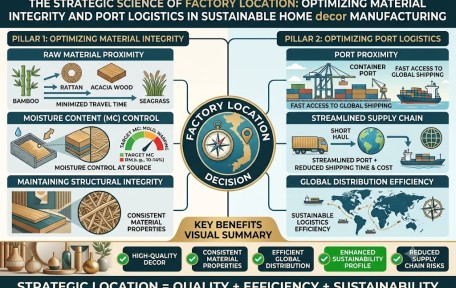
The ultimate frontier for sustainable woodware is achieving a carbon-negative footprint. Because wood and bamboo naturally sequester carbon, optimized manufacturing facilities that utilize solar energy, minimize transport emissions, and source materials locally can produce goods that have a net-positive impact on the environment. At Ngoc Dong Ha Nam, our strategic location in Vietnam allows us to source fast-growing bamboo, seagrass, and water hyacinth directly from local farming cooperatives, drastically reducing transport emissions and supporting rural economies.
STRATEGIC RECOMMENDATIONS FOR GLOBAL BUYERS AND INTERIOR DESIGNERS IN 2026
For global procurement managers, category buyers, and interior designers, navigating the 2026 market requires a balance of design foresight and rigorous supply chain management. To capitalize on the minimalism and multi-functionality trends, we recommend the following strategic actions:
1. Conduct Rigorous Supplier Audits
Do not take sustainability claims at face value. Ensure your manufacturing partners hold valid, verifiable certifications. Look for FSC certification for wood and bamboo to guarantee responsible forest management. Verify social compliance through BSCI or SMETA audits to ensure fair wages, safe working conditions, and ethical labor practices. A transparent supply chain is your best insurance policy against regulatory penalties and consumer backlash.
2. Curate Balanced, Multi-Functional Collections
When planning your product portfolio, focus on versatility. Select pieces that can be marketed across multiple categories (e.g., a wooden box that fits in the kitchen, office, or bathroom). This not only broadens the appeal of your inventory but also reduces the number of unique SKUs you need to manage, optimizing your inventory turnover and reducing warehousing costs.
3. Leverage Material Synergy to Stand Out
Differentiate your brand by offering products that combine wood with woven natural fibers. These mixed-material items have a high perceived value, offer rich tactile experiences, and showcase authentic craftsmanship. They appeal directly to the growing segment of consumers who value handmade, artisanal qualities over mass-produced plastic goods.
4. Partner with Established OEM/ODM Experts
Collaborate with manufacturers who possess both the artistic heritage and the industrial capacity to deliver at scale. Ngoc Dong Ha Nam combines decades of traditional Vietnamese weaving and woodworking expertise with modern, certified manufacturing facilities. By partnering with us, you gain access to a dedicated design team, rigorous quality control, and a sustainable supply chain capable of executing complex OEM/ODM projects that align perfectly with 2026 design trends.
The future of home decor is minimal, multi-functional, and deeply sustainable. By aligning your sourcing strategy with these trends and partnering with certified, ethical manufacturers, you can deliver exceptional value to your customers while actively contributing to a greener planet.
FREQUENTLY ASKED QUESTIONS
Why is Acacia wood preferred for multi-functional kitchenware and tableware?
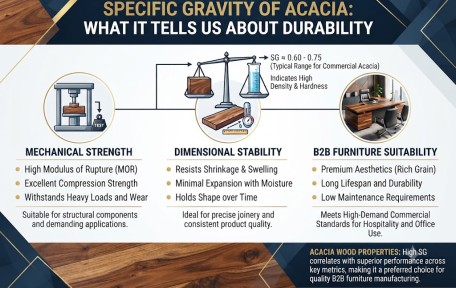
Acacia wood is highly favored due to its exceptional durability, dense grain structure, and natural resistance to moisture and microbes. These properties make it ideal for multi-functional items like cutting boards that double as serving platters, ensuring longevity and food safety.
How does Ngoc Dong Ha Nam ensure compliance with international sustainability standards?
We maintain strict compliance with global standards by sourcing FSC-certified wood and bamboo, and undergoing regular third-party audits for BSCI and SMETA. This guarantees that our supply chain is environmentally responsible, socially ethical, and fully compliant with regulations like the EUDR.
Can bamboo woodware be customized for OEM/ODM orders?
Yes, bamboo is an incredibly versatile material with high tensile strength, making it perfect for custom OEM/ODM designs. We can engineer bamboo into modular organizers, collapsible furniture, and precise minimalist shapes based on buyer specifications.
What are the benefits of combining wood with natural woven fibers like seagrass and rattan?
This material synergy creates a unique aesthetic contrast, reduces the overall weight of the product, and enhances structural ventilation. It is highly popular in 2026 warm minimalist home decor, offering a tactile, organic feel that appeals to eco-conscious consumers.