The Acacia Ascendancy: Strategic Sourcing Insights into the Surging US Demand for Sustainable Hardwood
Key Takeaways
•The US demand for Acacia wood is surging due to its exceptional durability, moisture resistance, and competitive pricing compared to premium hardwoods like teak and oak.•Acacia has transitioned from a seasonal outdoor material to a year-round indoor favorite, heavily utilized in biophilic design, Japanese joinery bed frames, and high-end kitchenware.
•Vietnam has emerged as the leading strategic sourcing hub for Acacia wood products, offering US B2B buyers a tariff-friendly, highly skilled, and certified manufacturing alternative.
•To prevent warping and cracking in the diverse US climate, Acacia wood products must be kiln-dried to a strict moisture content of 8% to 12% prior to shipment.
•US retailers are prioritizing ESG compliance, making FSC, BSCI, and SMETA certifications mandatory requirements for global Acacia wood suppliers.
EXECUTIVE SUMMARY: NAVIGATING THE ACACIA BOOM IN THE US HOME & LIVING SECTOR
In the highly competitive landscape of the US home decor and furniture market, raw material selection has shifted from a mere cost-efficiency equation to a defining brand value. Over the past few years, Acacia wood has transitioned from an exotic alternative to a mainstream powerhouse, capturing a significant share of the solid wood segment. Driven by a confluence of macroeconomic factors, shifting consumer values toward biophilic design, and a rising demand for "investment-grade" furniture, Acacia has emerged as the go-to material for leading US retailers and interior designers alike.
For global B2B buyers, sourcing directors, and product developers, this surge in demand presents both an unprecedented opportunity and a strategic challenge. Mitigating supply chain risks while maintaining high-quality standards requires a deep understanding of why Acacia is dominating the US market, how its supply chain is structured, and how to partner with certified manufacturers who can meet stringent ESG (Environmental, Social, and Governance) compliance. This market analysis provides an analytical, forward-looking roadmap for navigating the Acacia boom from 2026 through 2030.
THE CURRENT LANDSCAPE: WHY US RETAILERS AND INTERIOR DESIGNERS ARE PIVOTING TO ACACIA
The US wood and timber products market is experiencing a profound shift toward natural, enduring materials. Consumers are increasingly moving away from disposable, flat-pack furniture made of synthetic composites or low-grade softwoods, opting instead for solid wood pieces that offer longevity, character, and tactile warmth. In this landscape, Acacia has secured a unique competitive positioning, often hailed as the "best budget-friendly solid wood" that rivals premium hardwoods like teak, oak, or walnut in performance and aesthetic appeal.
Several key factors explain why US retailers—from high-end brands like West Elm and Thuma to mass-market leaders like World Market and Target—are aggressively expanding their Acacia portfolios:
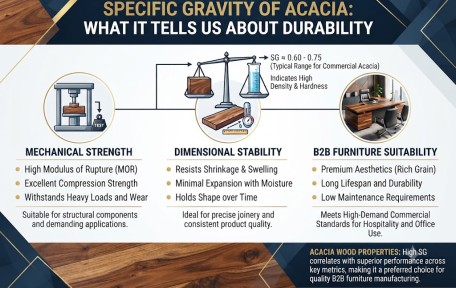
- Exceptional Durability and Density: Acacia is a dense hardwood with a high Janka hardness rating, making it highly resistant to scratches, dents, and daily wear. It is ideal for high-traffic furniture such as dining tables, bed frames, and commercial hospitality interiors.
- Natural Moisture and Decay Resistance: Its inherent wax and oil content provides outstanding protection against moisture and pests. This dual-purpose durability allows Acacia to seamlessly transition from indoor living spaces to outdoor patio collections.
- Distinctive Aesthetic Appeal: No two pieces of Acacia are identical. Its dramatic, swirling grain patterns, rich color gradients (ranging from golden amber to deep chocolate browns), and warm undertones act as a natural centerpiece, aligning perfectly with modern design sensibilities.
Key Market Drivers: Aesthetic Versatility, Durability, and the Eco-Conscious Shift
To successfully curate product lines that resonate with contemporary US consumers, B2B buyers must align their sourcing strategies with three defining market trends:
1. Biophilic Design & Organic Modernism
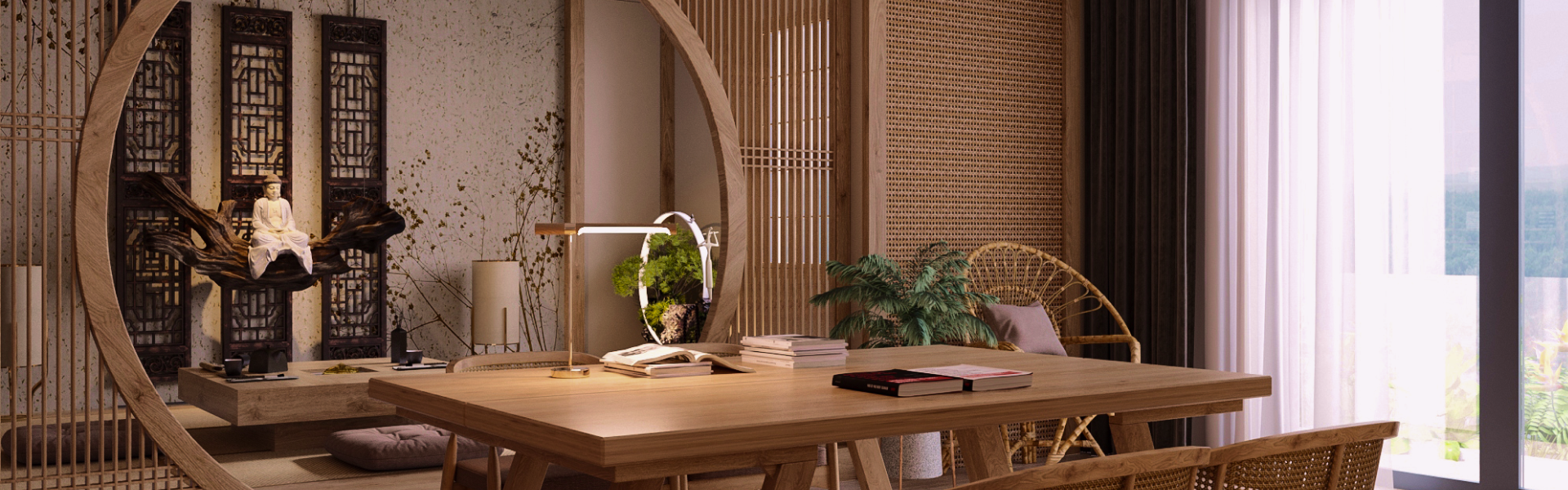
The post-pandemic home is centered around wellness, comfort, and a connection to nature. Interior designers are championing "Organic Modernism"—a style that pairs clean, minimalist lines with raw, textured materials. Acacia’s expressive grain acts as a "new neutral," bringing warmth to minimalist and Scandinavian interiors. From wave-front credenzas and floating shelves to solid wood bathroom accessories, Acacia is being used to soften sleek, modern spaces with organic character.
2. The Rise of "Quiet Luxury" and Japanese Joinery
In the bedding and bedroom furniture sector, there is a massive surge in demand for tool-free, high-quality wooden bed frames inspired by Japanese joinery. Leading DTC brands have successfully popularized Acacia as the material of choice for "quiet," squeak-free bed frames that offer a lifetime of durability. This trend highlights a broader consumer shift: prioritizing "investment-grade" furniture with a lifespan of 10 to 15 years over temporary, cheap alternatives.
3. Rigorous Sourcing Compliance & FSC Certification
Sustainability is no longer a marketing buzzword; it is a regulatory and commercial mandate. US retailers are setting ambitious net-zero targets and enforcing strict ESG compliance throughout their supply chains. Sourcing certified sustainable wood—specifically FSC (Forest Stewardship Council) certified Acacia—is critical to mitigating legal risks under the Lacey Act and meeting the ethical expectations of modern consumers. Manufacturers who hold robust international certifications such as FSC, BSCI, and SMETA are capturing the lion's share of B2B partnerships.
FUTURE OUTLOOK: ACACIA'S LONG-TERM TRAJECTORY IN GLOBAL DESIGN AND SOURCING
Looking ahead toward 2030, the global demand for sustainable wood products is projected to grow steadily. For the US market, several structural developments will shape the Acacia supply chain:
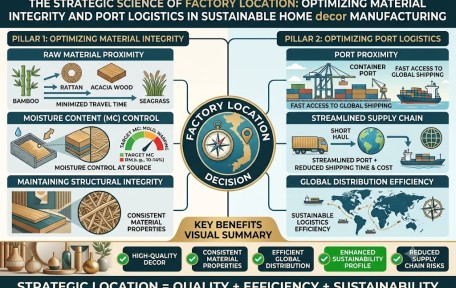
Geopolitical Diversification and the Shift to Vietnam: As US buyers seek to diversify their supply chains and mitigate tariff risks, Vietnam has solidified its position as the premier manufacturing hub for Acacia wood products. Vietnam’s advanced wood-processing infrastructure, skilled craftsmanship, and abundant, responsibly managed Acacia plantations make it the strategic choice for global B2B procurement.
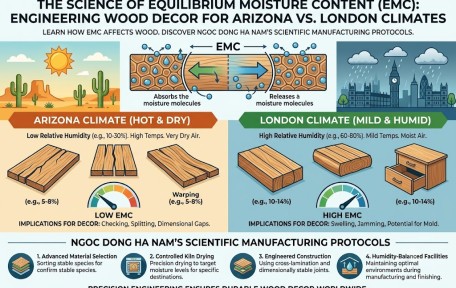
Technological Integration in Wood Processing: To meet the high-volume demands of global retailers, leading manufacturers are integrating advanced technologies, such as automated kiln-drying systems and precision CNC machining. Proper kiln-drying is the single most critical technical factor when exporting Acacia to the US. Because the US climate varies drastically across states, Acacia must be dried to a precise moisture content of 8% to 12% to prevent warping, splitting, or cracking upon arrival.
STRATEGIC RECOMMENDATIONS FOR GLOBAL BUYERS: SOURCING COMPLIANCE, QUALITY, AND ESG EXCELLENCE
For sourcing directors, category managers, and interior designers looking to capitalize on the growing demand for Acacia, we recommend the following strategic actions:
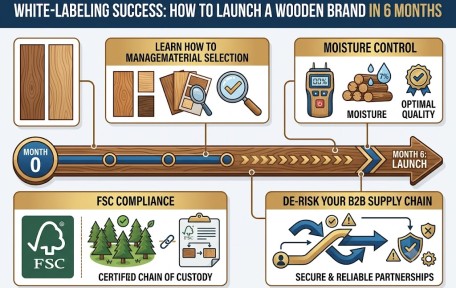
1. Prioritize Certified Manufacturers: Partner exclusively with manufacturers who possess verified international certifications. Look for FSC for sustainable forestry, BSCI and SMETA for ethical labor practices, and robust quality management systems. This ensures your brand is protected against regulatory scrutiny and aligns with global ESG standards.
2. Enforce Strict Moisture Control Standards: Ensure your manufacturing partner has state-of-the-art kiln-drying facilities. Request detailed quality control (QC) reports verifying that the moisture content of the Acacia wood is consistently maintained between 8% and 12% before packaging.
3. Leverage OEM/ODM Customization: Work with manufacturers who offer flexible OEM/ODM services. Acacia’s versatility allows it to be finished in various stains (such as walnut, charcoal, or natural light finishes) and combined with complementary materials like brushed brass, matte iron, or woven seagrass to create unique, high-margin collections.
At Ngoc Dong Ha Nam, we combine decades of craftsmanship with a world-class, certified sustainable supply chain. Our state-of-the-art manufacturing facilities in Vietnam specialize in high-quality, FSC-certified Acacia, bamboo, and natural fiber home decor, offering US buyers a reliable, compliant, and highly competitive sourcing partnership. Contact our B2B sourcing specialists today to discuss your next Acacia product line.
FREQUENTLY ASKED QUESTIONS
Why is Acacia wood highly demanded in the US home decor market?
Acacia wood offers a unique combination of exceptional Janka hardness, natural moisture resistance, and rich, swirling grain patterns. It provides a premium solid-wood aesthetic at a highly competitive price point compared to teak or walnut, making it a favorite for both retailers and consumers.
What is the critical technical requirement when importing Acacia wood to the US?
The most critical technical requirement is moisture control. To withstand the diverse US climate without warping, splitting, or cracking, Acacia wood must be professionally kiln-dried to a precise moisture content of 8% to 12% before packaging and shipping.
How does Vietnam fit into the global Acacia wood supply chain?
Vietnam is a premier global manufacturing hub for Acacia wood. With abundant, responsibly managed plantations, advanced wood-processing technology, and competitive labor costs, Vietnam offers a highly reliable, tariff-advantageous sourcing alternative for global B2B buyers.
Are Acacia wood products from Ngoc Dong Ha Nam certified sustainable?
Yes, Ngoc Dong Ha Nam is committed to sustainable and ethical manufacturing. We partner with FSC-certified plantations to ensure responsible wood sourcing, and our facilities comply with international social standards such as BSCI and SMETA.