The Art of Maximizing Margins: How Smart Container Loading Slashes Shipping Costs per Unit for Sustainable Home Decor
Key Takeaways
- •Container loading optimization (CLO) reduces shipping costs per unit by maximizing the utilization of container volume (CBM), especially for lightweight, bulky natural fiber home decor.
- •Implementing nesting designs for handwoven seagrass and water hyacinth baskets can increase container capacity by up to 150% compared to shipping single-size products.
- •Knock-down (KD) flat-pack engineering for Acacia wood and rattan furniture allows up to three times more units to fit in a single container, drastically lowering per-unit landed costs.
- •Strategic mixed container loading balances heavy wood products with lightweight woven items to maximize both weight and volume capacities of a 40ft HC container.
THE HIDDEN COST OF EMPTY SPACE: WHY YOUR SHIPPING STRATEGY IS EATING YOUR HOME DECOR MARGINS
In the high-stakes world of global home decor retail, the battle for profitability is no longer fought solely on the showroom floor or the digital storefront. It is fought inside the corrugated steel walls of an ocean shipping container. For international B2B buyers, importers, and interior designers, ocean freight remains one of the most volatile and significant overhead expenses. When importing handcrafted, natural fiber home decor—such as bulky seagrass baskets, rattan furniture, and water hyacinth storage bins—traditional packaging methods often result in shipping a shocking amount of empty air. This inefficiency directly inflates your cost-per-unit, eroding your competitive edge and shrinking your bottom line.
Imagine paying thousands of dollars for a 40-foot High Cube (HC) container, only to realize that 40% of its volume consists of nothing but empty space trapped inside woven baskets or under the legs of non-collapsible chairs. In today's market, leaving container capacity unoptimized is a luxury no business can afford. To maintain healthy margins while delivering the sustainable, high-quality products modern consumers demand, global sourcing professionals must transition from basic purchasing to strategic, logistics-first sourcing.
THE VOLUMETRIC CHALLENGE: UNDERSTANDING THE MATH OF NATURAL FIBER LOGISTICS
To solve the shipping cost puzzle, we must first understand how freight carriers calculate costs. In maritime logistics, space is currency. Natural fibers like bamboo, rattan, seagrass, and water hyacinth are celebrated for their organic beauty, lightweight nature, and sustainable footprints. However, their physical characteristics present a unique challenge: they are highly voluminous but low in density. This means containers often hit their volume limit (Cubic Meters or CBM) long before they reach their maximum weight capacity.
The Impact of Volumetric Weight
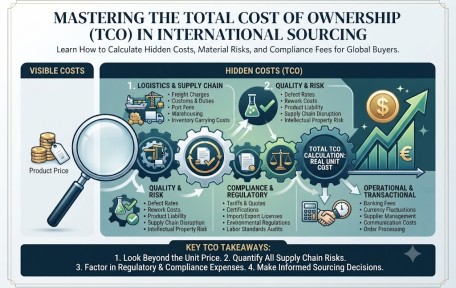
When shipping lightweight, bulky items, you are billed based on the space the cargo occupies rather than its actual weight. If a container is packed haphazardly, the cost per unit skyrockets because fewer items fit inside. For example, a standard 40ft HC container has a usable volume of approximately 68 to 76 CBM. If your supplier does not optimize the product dimensions or the packing configuration, you might only utilize 50 CBM of that space. The remaining 18 to 26 CBM is wasted, yet you still pay 100% of the freight rate. By mastering container loading optimization (CLO), buyers can dramatically increase the quantity of goods per shipment, effectively spreading the fixed ocean freight cost over a much larger number of units.
DESIGNING FOR THE CONTAINER: NESTING, KD STRUCTURES, AND SMART PACKING STRATEGIES THAT SAVE THOUSANDS
At Ngoc Dong Ha Nam, we believe that logistics optimization begins at the drawing board, long before the first fiber is woven. As an established manufacturer with deep expertise in sustainable home decor, we employ advanced product engineering and container loading simulation software to ensure every square inch of container space is utilized. Here are the three pillars of our cost-reduction strategy:
1. Smart Nesting and Stacking Configurations
For handwoven storage baskets, laundry hampers, and planters made of seagrass or water hyacinth, nesting is the most effective way to eliminate wasted space. By designing products in progressive sizes (e.g., sets of 3 or 5), smaller items fit snugly inside larger ones. Our design team meticulously calculates the wall thickness and tapering angles of our woven goods to ensure tight, secure nesting without compromising the structural integrity of the products. This simple design adjustment can increase container capacity by up to 150% compared to shipping single-size items.
2. Knock-Down (KD) Construction for Furniture
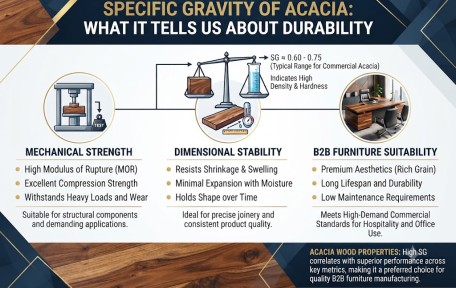
Rattan and Acacia wood furniture are highly sought after by high-end interior designers and retailers, but shipping fully assembled chairs or tables is incredibly costly. To counter this, Ngoc Dong Ha Nam specializes in Knock-Down (KD) or flat-pack designs. By engineering secure, easy-to-assemble joints and hardware, we can ship premium Acacia wood and rattan dining chairs in flat boxes. Once they arrive at your warehouse or the customer's home, they can be assembled in minutes. Flat-packing allows us to fit up to three times more furniture pieces into a single container, drastically reducing your shipping cost per unit.
3. Strategic Mixed Container Loading
Another powerful tactic is mixed container loading, which balances volume and weight. If you import both heavy Acacia wood cutting boards and lightweight, bulky bamboo lanterns, shipping them in separate containers is highly inefficient. Instead, we strategically mix these products in a single container. The heavy wood items are positioned at the bottom to stabilize the container, while the lightweight, high-volume bamboo and seagrass items occupy the upper vertical space. This balanced loading ensures you maximize both the weight and volume limits of the container, achieving the lowest possible average shipping cost across your entire product range.
UNLOCK MAXIMUM PROFITABILITY: PARTNER WITH NGOC DONG HA NAM TODAY
Reducing your shipping costs per unit does not mean compromising on product quality, environmental sustainability, or ethical manufacturing. When you partner with Ngoc Dong Ha Nam, you gain access to a world-class supply chain partner that holds BSCI, SMETA, and FSC certifications. We ensure that your products are not only handwoven ethically by skilled Vietnamese artisans but also engineered and packed with scientific precision.
Our dedicated logistics team utilizes state-of-the-art container loading software to generate 3D loading plans for every single order. We show you exactly how your goods will be arranged inside the container before it even leaves our factory in Ha Nam, Vietnam. This transparent, data-driven approach guarantees maximum container utilization, eliminates transit damage, and slashes your per-unit landed cost.
Ready to optimize your supply chain and boost your retail margins? Contact our B2B sourcing experts today to receive a complimentary container loading simulation and quote for your next sustainable home decor collection. Let us help you turn empty shipping space into pure profit.
FREQUENTLY ASKED QUESTIONS
What is container loading optimization (CLO) in home decor sourcing?
CLO is the process of planning and arranging products inside a shipping container to maximize space utilization (CBM) and weight capacity, minimizing empty space and reducing the overall shipping cost per unit.
How does nesting design help reduce shipping costs for woven baskets?
Nesting involves designing baskets in progressive sizes so they fit inside one another. This eliminates the empty space inside larger baskets, allowing more units to be shipped in a single container and lowering the freight cost per item.
What is Knock-Down (KD) furniture, and why is it beneficial for B2B buyers?
KD furniture is designed to be shipped flat-packed and assembled at its destination. This drastically reduces the volume each piece occupies during transit, allowing buyers to fit significantly more units into a container and save on ocean freight.
Can we mix different materials like Acacia wood and seagrass in one container?
Yes. Mixing heavy items (like Acacia wood furniture or kitchenware) with lightweight, voluminous items (like seagrass or bamboo baskets) is an excellent strategy to maximize both the weight and volume capacity of a container, optimizing overall freight efficiency.