The Future of Entertaining: 2026 Trend Report on Sustainable Charcuterie Board Designs and Layouts for Global Retailers
Key Takeaways
- •Global demand for charcuterie boards is shifting toward eco-luxury, with FSC-certified Acacia wood and organic bamboo leading the market.
- •Multi-material presentation styles, particularly pairing hand-carved wooden boards with woven rattan or seagrass bases, are dominating high-end hospitality and retail.
- •B2B buyers must prioritize international compliance standards, including BSCI, FSC, and SMETA, to meet strict global import regulations and consumer expectations.
- •Integrated functional designs, such as boards with built-in compartments, juice grooves, and matching cheese knife sets, yield the highest retail margins.
EXECUTIVE SUMMARY: REDEFINING THE ART OF ENTERTAINING WITH ECO-LUXURY PLATTERS
In the global home decor and kitchenware markets, entertaining has evolved from a simple social routine into a highly curated, visual art form. Today's consumers do not just host; they curate experiences. At the center of this cultural shift is the charcuterie board—a versatile canvas that blends culinary art with sophisticated design. For global B2B buyers, sourcing managers, and interior designers, understanding the trajectory of this category is essential to capturing high-margin retail sales and elevating commercial hospitality spaces.
This trend report analyzes the market dynamics driving the premiumization of serving platters. We explore how sustainable materials, particularly FSC-certified Acacia wood, bamboo, and hand-woven natural fibers, are redefining consumer expectations. As a leading manufacturer committed to sustainable supply chains, Ngoc Dong Ha Nam presents this comprehensive outlook to help international brands align their product development with the future of eco-luxury entertaining.
THE CURRENT LANDSCAPE: THE PREMIUMIZATION OF SOCIAL DINING AND BOARD CURATION
The global market for serving tableware is experiencing a significant premiumization wave. Driven by social media platforms like Instagram and TikTok, where food styling and "grazing tables" garner billions of views, consumers are willing to invest heavily in premium serving assets. The standard, flat plastic or cheap composite boards of the past are rapidly being replaced by high-character, natural materials that tell a story of craftsmanship and ecological responsibility.
The Rise of the Experiential Host
Modern consumers view their home goods as an extension of their personal brand. When hosting, they seek out serving boards that act as statement pieces. This has led to a surge in demand for larger, organic-shaped boards, live-edge designs, and multi-functional platters that can transition seamlessly from a casual family brunch to an upscale corporate event.
The Sustainability Mandate
Beyond aesthetics, sustainability is now a primary purchasing driver. Global retailers are facing pressure to eliminate single-use plastics and uncertified timber from their inventories. Buyers are actively seeking manufacturing partners who offer transparent supply chains, ethical labor practices, and certified renewable materials like rapid-growth bamboo and responsibly harvested Acacia wood.
KEY TRENDS: INNOVATIVE LAYOUTS AND MATERIAL PAIRINGS DOMINATING THE MARKET
To capture the attention of modern consumers, retail collections must reflect the latest design innovations. Here are the three dominant design and layout trends shaping the market today:
1. The Multi-Dimensional Grazing Board
Gone are the days of flat, uninspired food arrangements. The modern charcuterie layout is all about height, texture, and depth. Consumers are creating multi-dimensional displays by placing smaller, elevated bowls and mini-platters on top of a larger base board. This layout technique allows for a clean separation of wet ingredients (like olives, dips, and honey) from dry elements (such as artisanal crackers and cured meats), creating an organized yet abundant aesthetic.
2. Hybrid Material Presentations (Wood Meets Weave)
One of the fastest-growing trends in luxury hospitality is the integration of diverse natural textures. Pairing a rich, hand-carved Acacia wood serving board with a matching woven rattan or seagrass tray creates a stunning contrast. The woven tray serves as a functional carrier and a rustic frame, adding a tactile, coastal-resort feel to the presentation. This hybrid approach is highly favored by interior designers styling boutique hotels and luxury estates.
3. Geometric Minimalism and Built-In Functionality
For the urban minimalist market, clean lines and functional efficiency are key. We are seeing a high demand for geometric bamboo charcuterie boards featuring precision-carved compartments, hidden drawers for cheese knives, and integrated juice grooves. These designs maximize serving space while keeping the layout neat, making them highly popular gift items during the holiday retail season.
FUTURE OUTLOOK: SUSTAINABILITY AND CIRCULARITY AS THE ULTIMATE LUXURY
Looking ahead, the intersection of luxury design and environmental circularity will dictate market leadership. The brands that succeed will be those that offer products designed with the entire lifecycle in mind.
FSC-Certified Acacia Wood: The Gold Standard
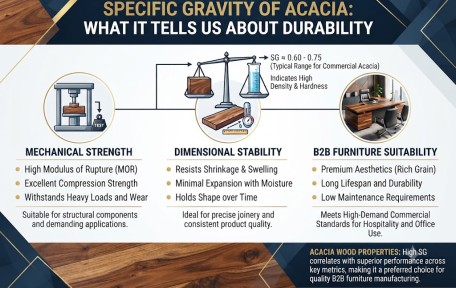
Acacia wood will remain the premier material for high-end serving boards due to its dense grain, natural water resistance, and rich, contrasting colors. However, future market access will belong exclusively to FSC-certified (Forest Stewardship Council) timber. This certification guarantees that the wood is harvested from responsibly managed forests that provide environmental, social, and economic benefits.
Social Compliance and Global Standards
For international B2B buyers importing into North America, Europe, and Japan, supply chain transparency is non-negotiable. Manufacturing facilities must adhere to rigorous social compliance audits, such as BSCI (Business Social Compliance Initiative) and SMETA (Sedex Members Ethical Trade Audit). Partnering with certified manufacturers like Ngoc Dong Ha Nam ensures that your brand is protected against regulatory risks and aligns with global ethical standards.
STRATEGIC RECOMMENDATIONS FOR GLOBAL BUYERS AND PRODUCT DEVELOPERS
To capitalize on these evolving trends and maximize retail margins, we recommend that B2B procurement managers and product developers implement the following strategies:
- Diversify Material Offerings: Curate a portfolio that mixes dense, durable hardwoods like Acacia with lightweight, fast-growing materials like bamboo, complemented by hand-woven rattan accents.
- Focus on "Giftability": Package charcuterie boards as complete entertaining sets, including matching cheese knives, dipping bowls, or woven storage cases. This increases the perceived value and average order value (AOV) for retail consumers.
- Leverage OEM/ODM Customization: Work with manufacturers who offer custom branding, unique laser-engraved patterns, and bespoke shapes to differentiate your brand in a crowded market.
- Verify Supplier Certifications: Protect your supply chain by sourcing exclusively from manufacturers who hold verified FSC, BSCI, and SMETA certifications, ensuring both quality and ethical compliance.
At Ngoc Dong Ha Nam, we combine decades of Vietnamese artisanal craftsmanship with state-of-the-art, certified manufacturing processes. We are ready to help you develop your next best-selling collection of sustainable serving boards and home decor. Contact our B2B team today to discuss custom OEM/ODM solutions tailored to your market.
FREQUENTLY ASKED QUESTIONS
Why is Acacia wood preferred for charcuterie and serving boards?
Acacia wood is highly favored because of its exceptional durability, dense grain structure, and natural resistance to moisture and microbes. Its rich, contrasting dark and light wood grains also provide a luxurious, high-end aesthetic that appeals to consumers.
Are your wooden and bamboo serving boards food-safe?
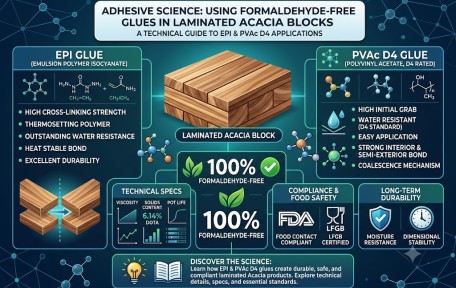
Yes, all serving boards manufactured by Ngoc Dong Ha Nam utilize non-toxic, food-grade finishes and adhesives. They comply with strict international food-contact safety regulations to ensure safe food presentation.
Can we customize the shapes, sizes, and branding for our retail line?
Absolutely. We specialize in OEM and ODM services, allowing global buyers to customize board dimensions, wood types, integrated features, and apply custom laser-engraved logos or branding.
What certifications does Ngoc Dong Ha Nam hold to guarantee sustainability?
We are committed to ethical and sustainable production. Our facilities and supply chains are certified under FSC (Forest Stewardship Council) for responsible forestry, and we regularly undergo BSCI and SMETA social compliance audits.