The Future of Home Decor Retail: Harnessing Storytelling and Sustainable Provenance to Captivate Global Consumers
Key Takeaways
•Storytelling in home decor retail shifts consumer focus from price to value by highlighting material origins and ethical craftsmanship.•Verifiable international certifications such as BSCI, FSC, and SMETA are essential to validate brand stories and prevent greenwashing.
•Integrating digital transparency tools, such as QR codes on product tags, bridges physical products with their rich artisan journeys.
•Sourcing from compliant manufacturers like Ngoc Dong Ha Nam ensures retailers have the verified assets required for powerful narrative marketing.
EXECUTIVE SUMMARY: THE NARRATIVE SHIFT IN GLOBAL HOME DECOR
In today's highly saturated home decor market, products are no longer judged solely by their aesthetic appeal or price point. Global consumers are demanding transparency, ethical production, and emotional resonance. This executive report explores how storytelling has transitioned from a marketing buzzword into a critical business strategy for B2B buyers and interior designers. By weaving narratives of heritage, sustainable craftsmanship, and material provenance into their offerings, retailers can command premium pricing, foster deep brand loyalty, and differentiate themselves in a competitive landscape.
THE CURRENT LANDSCAPE: THE RISE OF THE CONSCIOUS CONSUMER AND THE MEANING DEFICIT
The global home decor market is experiencing a profound paradigm shift. Traditional retail models focused on transactional volume are struggling to engage modern consumers who suffer from a meaning deficit. Today's buyers seek alignment between their personal values and their purchasing decisions. Consequently, home decor is no longer just about filling a space; it is an expression of identity, ethics, and global citizenship.
The Value of Provenance
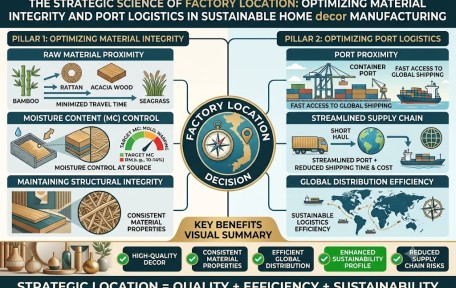
As mass production loses its luster, hand-crafted products made from natural materials such as seagrass, rattan, water hyacinth, and bamboo have surged in popularity. These materials carry intrinsic stories of ecological harmony and rural craftsmanship. For retail buyers, sourcing products that carry these narratives is no longer optional—it is the key to unlocking emotional engagement at the point of sale.
The Compliance Imperative
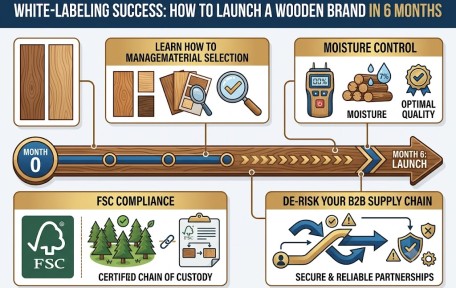
Moreover, modern storytelling must be backed by undeniable truth. Claims of sustainability are heavily scrutinized. Global retailers must partner with manufacturers that hold rigorous international certifications, such as BSCI, FSC, and SMETA. These standards provide the verifiable proof that transforms a beautiful story into a trustworthy brand asset.
KEY TRENDS: CRAFTING NARRATIVES THROUGH MATERIAL AND MAKER
To successfully implement storytelling in home decor retail, brands must align with the dominant trends shaping consumer expectations. Here are the key narrative drivers currently dominating the industry:
1. Material-First Storytelling: From Swamp to Showcase
Every natural fiber has a unique ecological journey. For instance, water hyacinth is often harvested to clear choked waterways in Vietnam, turning an environmental challenge into beautiful, durable woven baskets. Acacia wood and bamboo represent rapid renewability and carbon sequestration. Highlighting these material journeys allows retailers to educate consumers, turning a simple storage bin or tabletop item into a conversation starter about biodiversity and conservation.
2. The Artisan Connection and Social Impact
Consumers want to know the hands that shaped their products. B2B buyers are increasingly seeking out manufacturers like Ngoc Dong Ha Nam, where generations of Vietnamese artisans preserve traditional weaving techniques. Sharing the stories of these artisans—their communities, their empowerment, and the preservation of cultural heritage—creates a powerful human connection that resonates deeply with retail customers.
3. The Phygital and Traceable Retail Experience
Leading retailers are bridging the physical and digital gap (phygital) by using QR codes on product tags. When scanned, these codes take the consumer behind the scenes: showing videos of the harvesting process in Vietnam, interviews with the weavers, and certificates of ethical compliance like SMETA. This level of transparency builds absolute trust and justifies premium price points.
FUTURE OUTLOOK: EXPERIENTIAL SPACES AND THE EVOLUTION OF THE RETAIL JOURNEY
Looking ahead, the future of home decor retail belongs to those who design experiences, not just showrooms. We anticipate several key developments over the next three to five years:
Spatial Storytelling in Interior Design
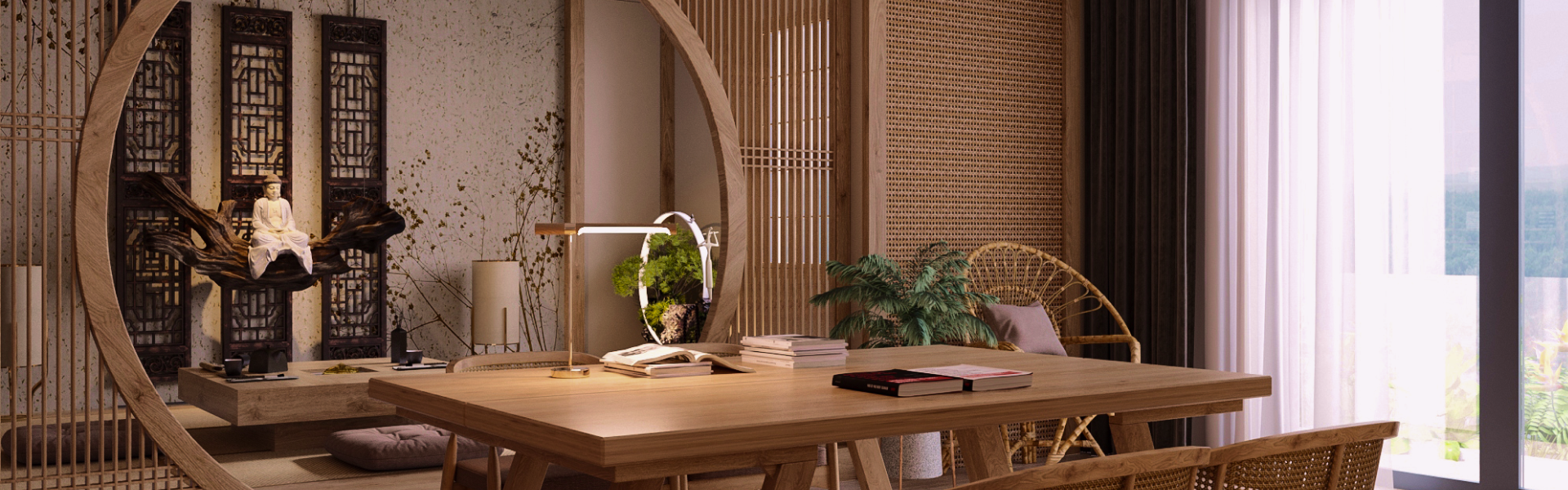
Interior designers will increasingly act as curators of narrative-driven spaces. Instead of matching furniture by color palettes alone, spaces will be curated by origin stories and ecological footprints. A room decorated with FSC-certified acacia wood tables and hand-woven seagrass rugs tells a cohesive story of sustainable luxury and biophilic design.
Virtual Reality and Immersive Sourcing
B2B sourcing will also become more experiential. Virtual reality (VR) tours of sustainable factories and artisan villages will allow global buyers to experience the manufacturing process firsthand without leaving their offices. This immersive connection will enable buyers to champion the product's story with authentic passion and accurate detail.
Strategic Recommendations: How Global Buyers Can Monetize Storytelling
To convert storytelling into measurable retail success, global buyers and interior designers should adopt the following strategic practices:
- Partner with Certified Manufacturers: Ensure your supply chain is anchored by manufacturers like Ngoc Dong Ha Nam that combine traditional artisan skills with global compliance standards (BSCI, FSC, SMETA). This protects your brand from greenwashing accusations.
- Develop Rich Content Kits: Do not expect retail staff to invent stories. Work with your suppliers to secure high-quality photography, artisan biographies, and material origin videos that can be easily deployed across social media, e-commerce product pages, and in-store displays.
- Train Sales Associates as Storytellers: Equip your front-line sales teams with the knowledge of why a rattan basket or water hyacinth placemat is unique. When an associate can explain the hand-woven process and environmental benefits, conversion rates increase dramatically.
- Focus on Hero Products: Select a few key pieces in your collection to serve as narrative anchors. Use these items to draw customers in, using their rich backstories to elevate the perceived value of the entire collection.
FREQUENTLY ASKED QUESTIONS
How does storytelling improve sales in home decor retail?
Storytelling builds an emotional connection between the consumer and the product, shifting the buying decision from price-sensitivity to values-alignment. Highlighting artisan heritage and eco-friendly materials like seagrass and water hyacinth increases the perceived value of the item.
What certifications are necessary to support a sustainable product story?
To ensure the credibility of your sustainable narrative, look for certifications such as FSC (Forest Stewardship Council) for wood and bamboo, and social compliance audits like BSCI and SMETA for ethical labor practices.
How can retailers implement storytelling in-store without cluttering displays?
Retailers can use phygital elements like QR codes on minimal hangtags, which lead consumers to rich digital content such as artisan videos, material sourcing journeys, and compliance certificates.
Why are natural fibers like water hyacinth and seagrass ideal for narrative marketing?
These fibers carry powerful ecological and social stories. For example, water hyacinth harvesting helps clear choked waterways, and seagrass weaving supports rural artisan communities, offering compelling narratives of environmental restoration and social impact.