
The Monsoon Menace: Safeguarding Your Premium Wooden and Natural Decor from Mold
Key Takeaways
- •Maintain warehouse relative humidity strictly between 45% and 55% using industrial dehumidifiers to prevent mold growth on natural wood, bamboo, and rattan products.
- •Ensure the moisture content of robust woods like Acacia remains between 8% and 12% prior to entering long-term storage during monsoon seasons.
- •Elevate all natural fiber and wooden inventory on pallets at least 15cm off the floor and 30cm away from walls to promote optimal air circulation.
- •Implement IoT-enabled environmental monitoring and utilize eco-friendly clay desiccants within packaging to create a secure micro-climate for global shipping.
- •Partner with SMETA and BSCI-compliant suppliers to guarantee that warehousing facilities meet stringent structural and environmental safety standards.
THE HIDDEN THREAT TO YOUR GLOBAL SUPPLY CHAIN: MONSOON MOISTURE
Imagine receiving a 40-foot container of exquisitely crafted, FSC-certified Acacia wood furniture or intricately handwoven rattan baskets, only to open the doors and be greeted by the unmistakable, devastating odor of dampness and visible mold spores. For global buyers, retail merchandisers, and interior designers sourcing premium natural decor from Southeast Asia, the monsoon season represents the ultimate stress test for your supply chain.
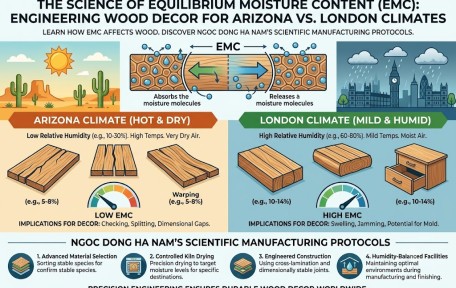
At Ngoc Dong Ha Nam, we recognize that natural materials—such as Acacia, Bamboo, Rattan, Seagrass, and Water Hyacinth—are the very soul of sustainable home decor. They bring warmth, organic texture, and eco-conscious elegance to living spaces worldwide. However, their inherent organic nature also makes them highly hygroscopic, meaning they naturally absorb moisture from their surrounding environment. When the monsoon season hits, bringing relentless rain and soaring humidity levels, the risk of fungal proliferation skyrockets.
Mold is not merely a cosmetic issue; it is a critical supply chain failure. A single compromised shipment can lead to catastrophic financial losses, exorbitant reverse logistics costs, and, most importantly, severe damage to your brand's reputation in the eyes of the end consumer. In today's hyper-competitive B2B landscape, where sustainability and uncompromising quality must go hand in hand, leaving your inventory's integrity to chance is not an option. This article serves as your comprehensive guide to understanding the vulnerabilities of natural materials and mastering the warehousing and storage protocols required to keep your wood and woven decor pristine, regardless of the weather outside.
UNDERSTANDING THE SCIENCE OF STORAGE: WHY NATURAL FIBERS ARE VULNERABLE
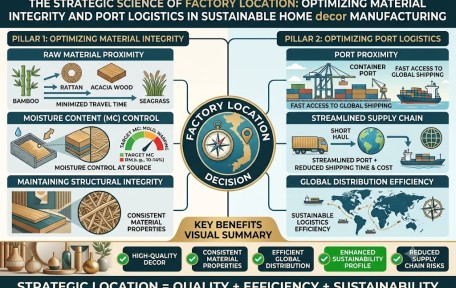
To effectively combat mold, we must first understand the scientific relationship between natural fibers and environmental moisture. Materials like bamboo, rattan, and water hyacinth possess incredibly porous cellular structures. While this porosity allows artisans to bend and weave them into stunning designs, it also acts as a sponge for airborne moisture. During the monsoon months, which typically span from May to October in key manufacturing hubs, relative humidity (RH) routinely exceeds 85%, creating the perfect breeding ground for mold and mildew.
The Moisture Content Equation
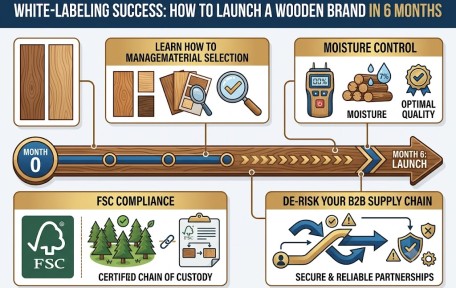
The golden rule of preserving natural wood and fibers lies in controlling Moisture Content (MC). For robust woods like Acacia, the MC must be strictly reduced to between 8% and 12% through rigorous kiln-drying processes before it even reaches the warehouse. For softer, highly absorbent materials like Water Hyacinth and Seagrass, achieving an optimal MC requires a precise combination of natural sun-drying and controlled oven-baking. If these materials are stored in a facility that lacks climate control, they will quickly reabsorb moisture from the humid air, pushing their internal MC back into the danger zone (above 15%), where fungal spores activate and thrive.
The Role of International Standards in Warehousing
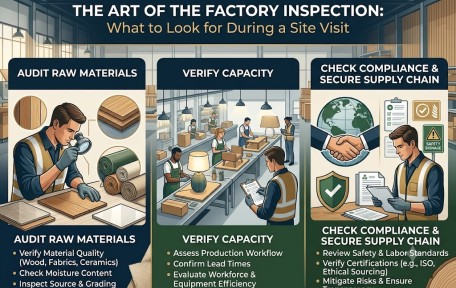
Proper storage is not just about protecting the product; it is deeply intertwined with ethical and sustainable manufacturing practices. International standards such as SMETA (Sedex Members Ethical Trade Audit) and BSCI (Business Social Compliance Initiative) mandate safe, hygienic, and well-maintained working environments. A warehouse plagued by leaks, poor ventilation, and mold is not only a hazard to inventory but a severe health risk to warehouse personnel. By partnering with suppliers who strictly adhere to these global standards, buyers are inherently selecting facilities that maintain superior structural integrity, robust climate defense mechanisms, and rigorous operational protocols. Furthermore, preserving FSC-certified wood requires strict chain-of-custody management, ensuring that these sustainably harvested materials are protected from environmental degradation every step of the way.
THE BLUEPRINT FOR MOLD-FREE STORAGE: PRESERVING PERFECTION
How do elite manufacturers and forward-thinking buyers ensure zero rejection rates during the wettest months of the year? The answer lies in a proactive, multi-layered approach to warehousing and storage. At Ngoc Dong Ha Nam, we have engineered our warehousing protocols to neutralize the monsoon threat, ensuring that every piece of home decor arrives at its global destination exactly as the designer intended. Here is the blueprint for preserving perfection.
1. Climate-Controlled Infrastructure
The first line of defense is the physical environment. High-grade B2B warehouses must utilize industrial-grade dehumidification systems combined with strategic HVAC deployment to maintain a constant relative humidity of 45% to 55%. Continuous air circulation is critical; stagnant air pockets are where condensation forms. We employ heavy-duty exhaust fans and strategically placed ventilation systems to ensure constant airflow, mimicking the breezy, dry conditions these natural materials prefer.
2. Structural Warehousing Best Practices
Even in a climate-controlled environment, physical placement matters. Inventory must never make direct contact with the floor or exterior walls. We enforce strict palletization rules, elevating all wooden and natural fiber goods at least 15 to 20 centimeters off the ground. Additionally, a minimum clearance of 30 centimeters is maintained between storage racks and external walls to prevent any potential moisture transfer from structural condensation. Implementing a strict First-In, First-Out (FIFO) inventory management system ensures that goods are rotated efficiently, minimizing their exposure time in the warehouse.
3. Advanced, Eco-Friendly Packaging Protocols
Packaging is the micro-climate that protects the product during transit. Before goods are moved to the staging area, they are wrapped using breathable yet moisture-resistant materials. We strategically place eco-friendly desiccants—such as activated clay or calcium chloride packets—inside the packaging to absorb any residual moisture. Unlike traditional silica gel, these sustainable alternatives align with our green lifestyle ethos and offer superior absorption capacities over long global shipping routes.
4. IoT Monitoring and Compliance
Modern supply chains require modern monitoring. We utilize IoT-enabled hygrometers and temperature sensors throughout our storage facilities to provide real-time data on the warehouse climate. If humidity levels spike above our strict thresholds, automated alerts allow our facility managers to take immediate corrective action. This data-driven approach guarantees absolute compliance with our internal quality control standards and provides our B2B partners with unparalleled peace of mind.
SECURE YOUR SOURCING STRATEGY TODAY
The monsoon season is an inevitable force of nature, but supply chain disruptions caused by mold are entirely preventable. For global buyers and interior designers, the key to safeguarding your inventory, protecting your brand equity, and delivering flawless natural home decor to your clients lies in choosing the right manufacturing partner. You need a supplier who views warehousing not just as a storage space, but as a critical, technologically advanced stage of the production lifecycle.
Do not wait for a compromised shipment to force a change in your sourcing strategy. Audit your current suppliers' warehousing capabilities, demand transparency regarding their moisture control protocols, and insist on adherence to international standards like FSC, BSCI, and SMETA. By prioritizing these criteria, you ensure that your investment in sustainable, premium natural materials is protected year-round.
At Ngoc Dong Ha Nam, we combine decades of artisanal craftsmanship with world-class, climate-resilient supply chain management. Our commitment to sustainable excellence guarantees that your Acacia furniture, Bamboo accents, and Rattan decor remain pristine from our facility to your showroom floor. Elevate your sourcing standards and secure your supply chain against the monsoon menace. Contact our expert team today to learn more about our rigorous quality control processes and how we can partner to bring your visionary designs to life, flawlessly and sustainably.
Frequently Asked Questions
What is the ideal warehouse humidity for storing wood and rattan?
The ideal relative humidity (RH) for storing natural wood, rattan, and bamboo is between 45% and 55%. Maintaining this level prevents hygroscopic materials from absorbing excess moisture and developing mold.
How does the monsoon season affect FSC-certified wood products?
High moisture levels during monsoons cause porous, natural materials like FSC-certified wood to absorb water from the air. Without climate-controlled warehousing, this leads to warping, swelling, and severe fungal proliferation.
What are the best desiccants for shipping natural home decor?
Calcium chloride and activated clay desiccants are highly effective, environmentally friendly options. They offer superior moisture absorption capacities compared to traditional silica gel, making them ideal for protecting natural decor during long B2B transit routes.
Why is palletization important for storing wooden furniture?
Palletization elevates inventory off the floor, preventing direct contact with surface condensation. Keeping goods at least 15cm above the ground promotes essential air circulation, which is critical for keeping natural materials dry and mold-free.