The Organic Modern Interior Movement: How Sustainable Natural Wood is Redefining Global Home Decor Markets (2026-2027)
Key Takeaways
- •Organic Modern style integrates natural wood with minimalist lines to satisfy growing global consumer demand for biophilic, wellness-focused interiors.
- •Global compliance standards like FSC, BSCI, and EUDR are critical benchmarks for importing natural wood products into Western markets.
- •Combining natural wood with woven materials like Seagrass and Water Hyacinth creates high-margin, multi-textured home decor collections.
- •Partnering with certified, vertically integrated manufacturers in Vietnam mitigates supply chain risks and ensures consistent product quality.
THE CONVERGENCE OF NATURE AND LUXURY: AN EXECUTIVE BRIEF ON ORGANIC MODERNISM
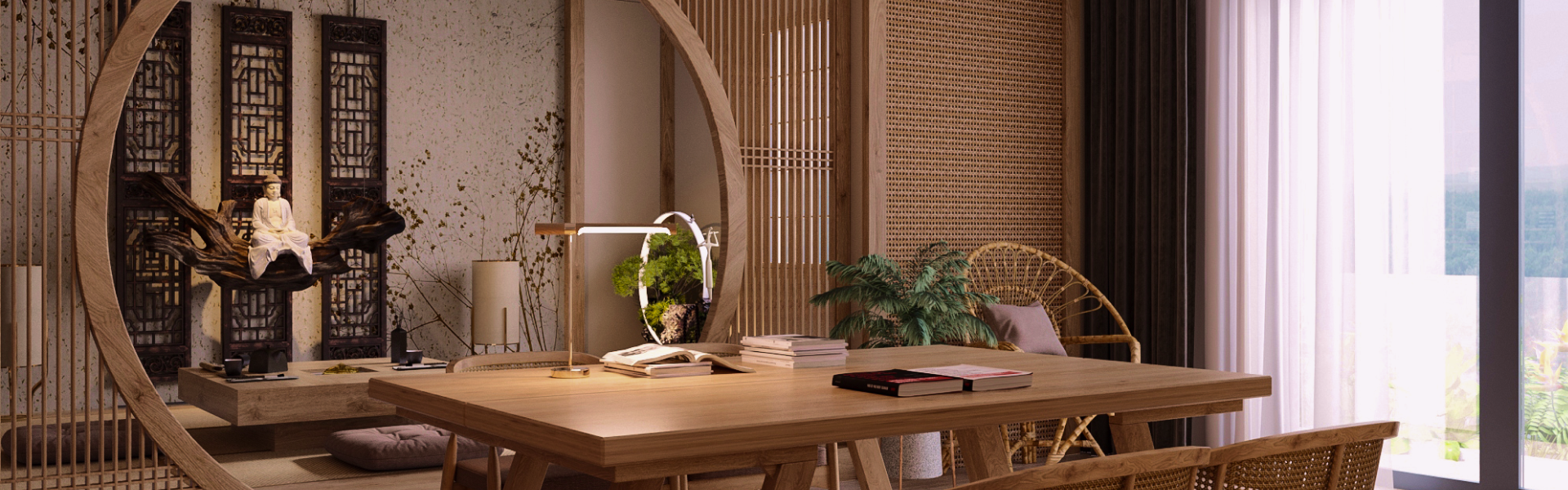
In the rapidly evolving landscape of global interior design, the Organic Modern style has transitioned from a niche aesthetic to a dominant market force. Characterized by the seamless integration of clean, minimalist lines with raw, natural elements, this design movement responds directly to the modern consumer's yearning for biophilic connection. At the core of this movement lies natural wood—a material that acts as the emotional and structural soul of the home. For global B2B buyers, distributors, and interior designers, understanding the commercial dynamics of this style is no longer optional; it is a strategic imperative to capturing high-value market segments in 2026 and beyond.
As urban spaces become more digitized and compact, the demand for interiors that promote wellness, tranquility, and environmental responsibility has skyrocketed. Natural wood, with its organic warmth, unique grain patterns, and tactile appeal, provides an immediate grounding effect that synthetic alternatives simply cannot replicate. This executive report analyzes how natural wood serves as the cornerstone of the Organic Modern aesthetic, evaluates the shifting regulatory landscape governing its sourcing, and provides actionable recommendations for global supply chain optimization. By examining the intersection of design trends and sustainable manufacturing, we aim to equip retail category managers and professional designers with the insights needed to make informed, profitable sourcing decisions.
SOURCING SHIFTS IN A CONSCIOUS ERA: THE RISE OF NATURAL WOOD IN CONTEMPORARY DESIGN
The contemporary home decor market is experiencing a profound paradigm shift [1]. Today's consumers are increasingly rejecting mass-produced, synthetic materials in favor of products with a story, a soul, and a minimal ecological footprint. This behavioral shift has elevated natural wood to a premium status in both residential and commercial projects. However, sourcing natural wood in the current global market requires navigating a complex web of environmental regulations and ethical standards. Retailers and designers can no longer rely on unverified supply chains; transparency and compliance are now the primary drivers of brand trust and market access.
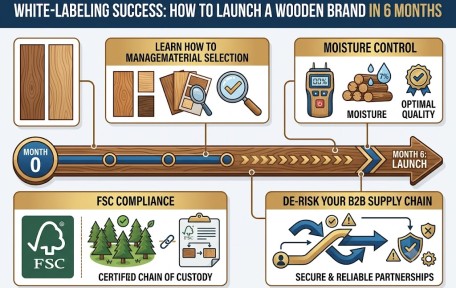
With the implementation of stringent frameworks such as the European Union Deforestation Regulation (EUDR) and the Lacey Act in the United States, global buyers must partner with manufacturers who prioritize legal, sustainable forestry. Certifications like the Forest Stewardship Council (FSC), Business Social Compliance Initiative (BSCI), and SMETA have become non-negotiable benchmarks for international trade. At Ngoc Dong Ha Nam, we have aligned our entire supply chain with these international standards, offering global buyers a seamless, risk-free transition to sustainable sourcing. By utilizing legally harvested, responsibly managed wood species, we ensure that every piece of furniture not only enhances the Organic Modern aesthetic but also preserves global forest ecosystems, shielding our B2B partners from regulatory and reputational risks.
SOUGHT-AFTER MATERIALS AND TEXTURES: THE CORE WOOD SPECIES DRIVING THE ORGANIC MODERN AESTHETIC
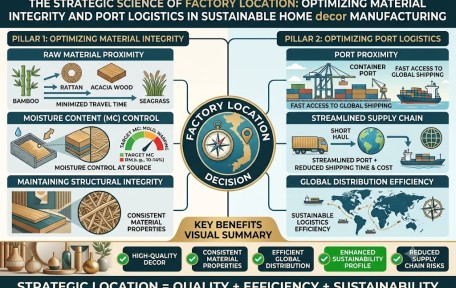
To successfully capture the essence of Organic Modern style, designers and manufacturers must select wood species that offer both structural integrity and visual warmth. Among the most sought-after materials in today's market are Acacia and Bamboo, often combined with woven natural fibers such as Seagrass, Rattan, and Water Hyacinth to create multi-textured, sensory-rich products that resonate with modern consumers.
Acacia: The Epitome of Durable Elegance
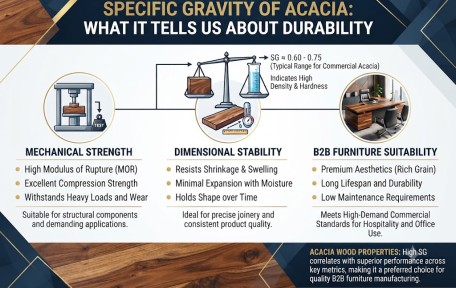
Acacia wood has emerged as a favorite among global interior designers due to its remarkable durability, water resistance, and rich, contrasting grain patterns. Its warm, golden-brown tones provide the perfect organic contrast to the cool, neutral palettes typical of modern minimalism. When crafted into dining tables, sideboards, or decorative bowls, Acacia retains its natural imperfections, celebrating the unique story of the tree from which it came. This durability makes it highly suitable for both high-traffic residential areas and commercial hospitality settings.
Bamboo: The Champion of Rapid Renewability
For projects where sustainability is the primary design driver, Bamboo stands unmatched. As a fast-growing grass that regenerates without replanting, Bamboo offers a highly sustainable alternative to traditional hardwoods. Modern processing techniques allow Bamboo to be engineered into sleek, minimalist furniture and home accessories that fit perfectly within the clean lines of Organic Modern spaces, offering a bright, airy aesthetic that appeals to eco-conscious demographics.
The Power of Mixed Media
One of the defining trends in Organic Modern design is the juxtaposition of hard wood structures with soft, hand-woven textures. By integrating natural wood frames with panels of Seagrass, Rattan, or Water Hyacinth, manufacturers can create pieces that are visually lightweight yet structurally robust. This hybrid craftsmanship is a core specialty of Ngoc Dong Ha Nam, where our artisans combine generations-old Vietnamese weaving techniques with state-of-the-art wood processing to deliver globally compliant, high-margin products that stand out on retail shelves.
FORECASTING 2027: THE EVOLUTION OF BIOPHILIC LIVING AND CIRCULAR DESIGN
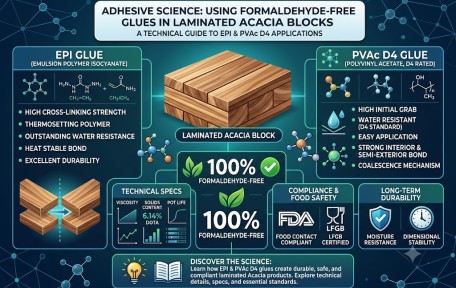
As we look toward 2027, the Organic Modern style is projected to evolve from a purely aesthetic preference into a holistic philosophy of circular living. Future consumers will demand products that are not only sustainably sourced but also designed for longevity and eventual circularity. This means a greater emphasis on non-toxic finishes, water-based adhesives, and modular designs that can be easily repaired, repurposed, or recycled at the end of their lifecycle.
Furthermore, biophilic design will continue to integrate deeply into commercial and residential spaces alike. Architects and interior designers are increasingly incorporating large-scale natural wood installations, living walls, and natural fiber accents to reduce stress and improve indoor air quality. For B2B buyers, this indicates a growing market for versatile, multi-functional wood decor and furniture that can transition seamlessly between residential homes, luxury hospitality spaces, and modern corporate offices. Investing in high-quality, sustainably manufactured wood products today ensures readiness for the market demands of tomorrow, establishing a future-proof product portfolio.
SOURCING FOR SUCCESS: STRATEGIC RECOMMENDATIONS FOR GLOBAL RETAILERS AND DESIGNERS
Navigating the global supply chain for sustainable natural wood products requires a strategic approach. To mitigate risks and maximize profitability, B2B buyers and interior designers should implement the following recommendations:
- Prioritize Certified Manufacturers: Always partner with manufacturers who hold active FSC, BSCI, and SMETA certifications. This guarantees that your products meet the strict legal requirements of major import markets and align with the ethical values of modern consumers.
- Demand Material Traceability: Ensure your sourcing partners can provide full documentation regarding the origin of their wood materials, especially in light of EUDR compliance, to prevent costly customs delays.
- Embrace Mixed-Material Product Lines: Capitalize on the Organic Modern trend by diversifying your inventory with products that combine natural wood with woven elements (Seagrass, Water Hyacinth), which often command higher retail margins due to their handcrafted appeal.
- Leverage Vertically Integrated Partners: Partnering with vertically integrated manufacturers in Vietnam, like Ngoc Dong Ha Nam, allows you to streamline communication, reduce lead times, and ensure consistent quality control from raw material sourcing to final packaging.
By aligning your sourcing strategy with these principles, you can position your brand as a leader in the sustainable home decor market, offering products that are beautiful, compliant, and deeply connected to nature.
FREQUENTLY ASKED QUESTIONS
What makes Acacia wood highly suitable for the Organic Modern style?
Acacia wood offers an exceptional blend of rich natural grain, high durability, and sustainability, making it the perfect focal point for organic minimalist designs.
How does Ngoc Dong Ha Nam ensure compliance with international sustainability standards?
We strictly adhere to FSC, BSCI, and SMETA certifications, ensuring fully traceable supply chains and ethical manufacturing processes for global markets.
Why is Vietnam a preferred sourcing destination for natural wood and woven home decor?
Vietnam combines a rich heritage of artisan craftsmanship with advanced manufacturing infrastructure, competitive pricing, and strict compliance with global import regulations.
Can natural wood products be customized for global B2B retailers?
Yes, Ngoc Dong Ha Nam specializes in OEM/ODM services, allowing global buyers to customize designs, dimensions, and material combinations to fit their brand requirements.