The Rise of Acacia in Nordic Design: A Trend Report on Sustainable Scandinavian Dining Spaces
Key Takeaways
- •Modern Scandinavian design is transitioning from cold, pale wood tones to 'warm minimalism,' driving a surge in global B2B demand for rich Acacia wood accents.
- •Acacia wood offers superior durability, water resistance, and natural antibacterial properties, making it the ideal sustainable material for dining furniture and tableware.
- •Sourcing FSC-certified Acacia from compliant manufacturers like Ngoc Dong Ha Nam ensures seamless alignment with strict international environmental regulations like the EUDR.
- •Integrating mixed-material designs—such as combining Acacia wood with hand-woven rattan or seagrass—is the leading trend for high-end eco-conscious dining collections.
EXECUTIVE SUMMARY: THE CONVERGENCE OF WARM MINIMALISM AND SUSTAINABLE HARDWOOD
The Evolution of the Nordic Aesthetic in Global Markets
For decades, Scandinavian interior design has been synonymous with light, whitewashed woods, minimalist lines, and cool color palettes. However, a significant shift is occurring in the global home decor landscape. International buyers and interior designers are witnessing the rise of 'warm minimalism'—a design movement that retains the clean, functional ethos of Nordic style while introducing richer textures, deeper tones, and natural warmth. At the heart of this transition is Acacia wood.
As global sourcing managers and B2B buyers navigate changing consumer preferences, sustainable hardwood accents have transitioned from optional luxuries to portfolio essentials. This trend report analyzes the market drivers behind Acacia wood’s integration into Scandinavian dining rooms, explores key product categories, and provides strategic sourcing recommendations for retailers, hospitality developers, and designers aiming to capture this growing market segment.
CURRENT LANDSCAPE: WHY ACACIA WOOD IS THE PREMIER CHOICE FOR MODERN DINING SPACES
Meeting the Demands of the Conscious Consumer
Today's consumers demand more than just aesthetic appeal; they require longevity, functionality, and ethical sourcing. The dining room, which has evolved into a multi-functional hub for working, dining, and socializing, requires materials that can withstand heavy daily use without sacrificing style. Acacia wood perfectly bridges this gap due to its exceptional physical properties and ecological credentials.
Unmatched Durability and Performance
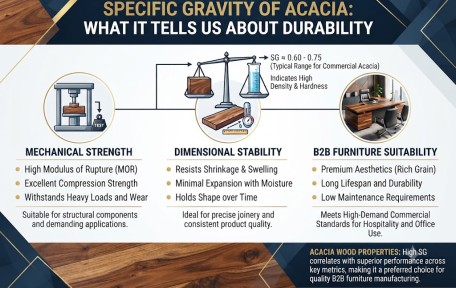
Acacia is a dense, heavy hardwood characterized by its tight grain and high natural oil content. These inherent qualities provide several distinct advantages in dining environments:
- Scratch and Impact Resistance: Unlike softer woods like pine or fir, Acacia resists denting and scratching, making it ideal for high-traffic dining tables and daily-use tableware.
- Water and Moisture Resistance: The natural oils in Acacia wood repel moisture, preventing warping, cracking, and the growth of mold or bacteria—a critical factor for dining room accessories and serving boards.
- Stunning Visual Depth: Acacia features an irregular, rich grain pattern with colors ranging from warm amber to deep chocolate brown. When integrated into a neutral Scandinavian setting, these tones create a striking visual anchor.
The Sustainability Factor
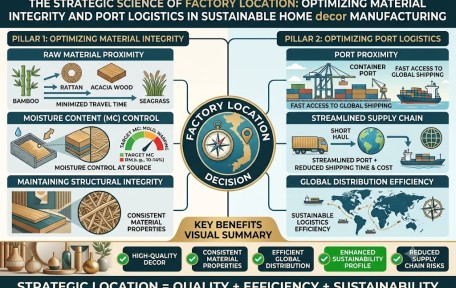
Acacia is a fast-growing species that can be harvested sustainably without depleting natural forests. For B2B buyers, sourcing FSC-certified (Forest Stewardship Council) Acacia is crucial. Partnering with manufacturers like Ngoc Dong Ha Nam, who maintain strict compliance with international social and environmental standards (including BSCI and SMETA), guarantees that your product line aligns with global green building and consumer retail standards.
KEY TRENDS: HOW ACACIA ACCENTS ARE REDEFINING SCANDINAVIAN DINING ROOMS
The Top Design Configurations Dominating the B2B Market
To successfully curate a Scandinavian dining collection, importers and designers must understand how Acacia is being styled and combined with other elements. Here are the three primary trends shaping the market:
1. The Warm Minimalist Tabletop
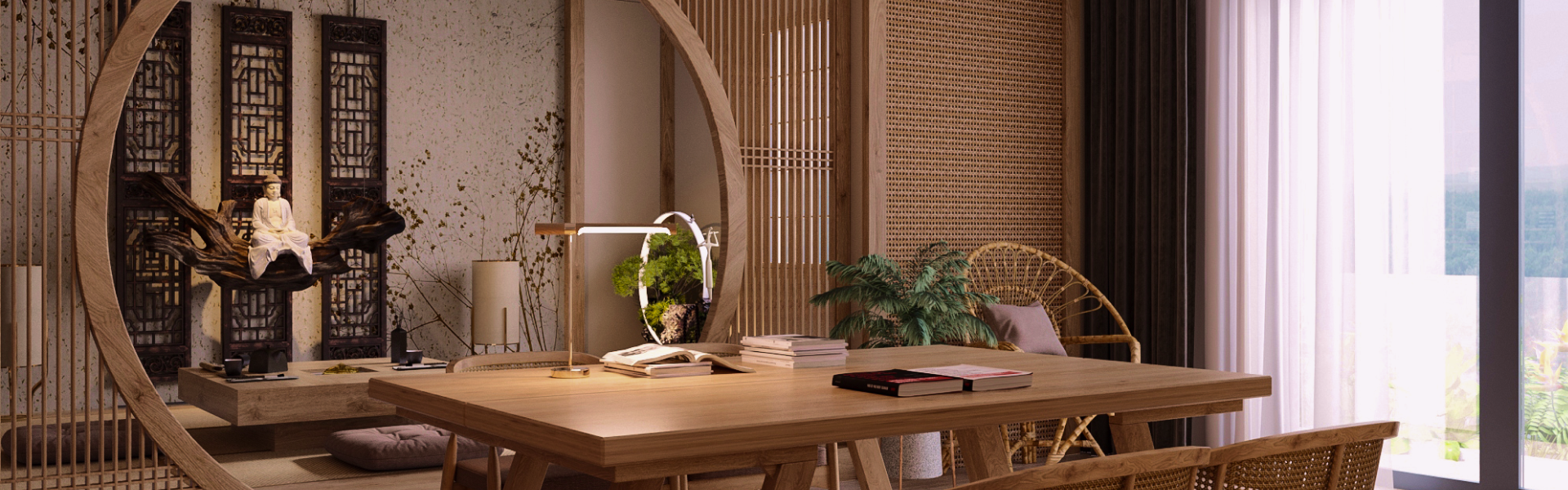
Traditional Scandinavian dining tables are often made of oak or ash. The modern trend, however, introduces solid Acacia dining tables with clean, tapered legs—a nod to mid-century modern and Nordic design—but with the rich, variegated grain of Acacia. To keep the space feeling light and airy, these tables are paired with neutral walls, linen textiles, and minimalist ceramic dinnerware. The contrast between the dark, warm wood and the soft, neutral surroundings defines the contemporary Nordic look.
2. Mixed-Material Harmonization
One of the most successful product strategies for retailers is offering mixed-material collections. Acacia wood pairs beautifully with natural woven fibers. Designing dining spaces that feature solid Acacia dining tables surrounded by hand-woven rattan, seagrass, or bamboo dining chairs creates a rich, tactile experience. This biophilic fusion is a specialty of Vietnamese artisans, combining the structural strength of Acacia with the organic, flexible beauty of woven natural fibers.
3. Sustainable Acacia Tableware and Accents
For buyers looking to introduce Acacia at a lower price point or expand their lifestyle SKU count, Acacia tableware and kitchen accents are experiencing explosive growth. Key products include:
- Acacia Serving Bowls and Platters: Used as statement centerpieces on minimalist dining tables.
- Charger Plates and Coasters: Providing an organic, textured layer to Scandinavian table settings.
- Salt and Pepper Mills and Utensils: Small touchpoints of warmth that elevate the overall dining experience.
FUTURE OUTLOOK: REGULATORY SHIFTS AND THE LONGEVITY OF SUSTAINABLE SOURCING
Navigating the Next Era of Global Supply Chains
As we look toward the future, the global home decor industry will be increasingly shaped by regulatory compliance and circular economy principles. The introduction of regulations such as the EU Deforestation Regulation (EUDR) means that European importers must prove their wood products do not contribute to deforestation. This makes certified, traceable supply chains non-negotiable.
Acacia’s rapid growth cycle makes it an ideal candidate for circular and sustainable forestry models. Manufacturers who control their supply chains from raw material sourcing to final finishing will be the preferred partners for global brands. Furthermore, the commercial hospitality sector (restaurants, boutique hotels) is increasingly adopting the warm Scandinavian aesthetic, opening up lucrative contract-grade opportunities for B2B distributors of Acacia dining furniture.
Strategic Recommendations for B2B Buyers and Interior Designers
Actionable Insights to Capitalize on the Acacia Trend
To maximize profitability and brand reputation when sourcing Acacia wood products for Scandinavian dining spaces, consider the following strategic steps:
1. Prioritize Certified Compliance
Only partner with manufacturers that hold recognized certifications such as FSC, BSCI, and SMETA. This not only mitigates supply chain risks and ensures smooth customs clearance in strict markets like the EU and North America, but also serves as a powerful marketing asset for your brand.
2. Diversify with Cohesive Mixed-Material Collections
Instead of sourcing isolated products, develop cohesive collections that tell a story. Pair Acacia dining tables and sideboards with complementary accents made from woven seagrass, rattan, or bamboo. This holistic approach increases average order value (AOV) and appeals to interior designers looking for complete room solutions.
3. Emphasize Artisan Craftsmanship and Eco-Friendly Finishes
The modern consumer values the story behind the product. Highlight the hand-finished nature of your Acacia pieces. Ensure that the protective coatings used on tableware and furniture are food-safe, non-toxic, and low-VOC, aligning perfectly with the healthy, nature-connected lifestyle of Scandinavian design.
At Ngoc Dong Ha Nam, we combine decades of manufacturing expertise with a deep commitment to sustainability, helping global brands bring premium, compliant, and beautifully crafted Acacia and mixed-material dining accents to market. Contact our sourcing team today to discuss your next custom collection.
FREQUENTLY ASKED QUESTIONS
Is Acacia wood suitable for Scandinavian dining table designs?
Yes. While traditional Scandinavian design utilizes pale woods, modern 'warm minimalism' frequently incorporates the rich, contrasting tones of Acacia wood to add depth, warmth, and natural texture to clean, minimalist dining spaces.
How does Acacia wood compare to Oak in terms of durability and cost?
Acacia is harder and more scratch-resistant than many oak species due to its high density. Additionally, because Acacia grows much faster than Oak, it is highly sustainable and generally more cost-effective for high-volume B2B manufacturing.
What certifications should B2B buyers look for when sourcing Acacia wood?
Buyers should look for FSC (Forest Stewardship Council) certification to ensure sustainable forestry. For ethical manufacturing and labor practices, look for factories with BSCI and SMETA audits, such as Ngoc Dong Ha Nam.
How do you care for Acacia wood dining products and tableware?
Acacia wood requires minimal maintenance. For tableware, hand washing with mild soap and occasional wiping with food-safe mineral oil preserves its natural luster. For furniture, regular dusting and avoiding direct exposure to extreme heat or moisture is recommended.