The Thermal Revolution in Sustainable Tableware: Why Wood is Outperforming Ceramic in Modern Eco-Luxury Hospitality
Key Takeaways
• Acacia wood possesses an exceptionally low thermal conductivity of approximately 0.12 to 0.16 W/m K, which is nearly fifteen times lower than that of traditional ceramic tableware.• The microscopic cellular structure of Acacia wood contains millions of tiny trapped air pockets that act as a natural thermal barrier, preventing rapid heat dissipation.
• Using Acacia tableware in commercial hospitality environments significantly improves guest safety by keeping the exterior of hot food vessels cool to the touch.
• Sourcing FSC-certified and BSCI-compliant Acacia woodware from established manufacturers like Ngoc Dong Ha Nam ensures both environmental sustainability and superior durability over fragile ceramic alternatives.
1. EXECUTIVE SUMMARY: THE RISE OF THERMAL PERFORMANCE IN SUSTAINABLE TABLEWARE
In the hyper-competitive global hospitality and premium home decor markets, material selection has transcended mere aesthetics. Today's commercial buyers, interior designers, and procurement officers seek products that deliver a flawless fusion of sensory beauty, environmental responsibility, and superior functional performance. Historically, ceramic and porcelain have dominated the fine dining and tabletop sectors. However, a quiet revolution is taking place, driven by advanced material science and a global shift toward sustainable luxury.
This report explores a critical yet often overlooked physical property: thermal conductivity. We analyze why Acacia wood—a remarkably durable, fast-growing hardwood—inherently outperforms traditional ceramic in maintaining food temperature, offering an eco-friendly, highly functional alternative that elevates the guest experience. By partnering with certified manufacturers like Ngoc Dong Ha Nam, global brands can secure high-quality, sustainable woodware that meets international compliance standards while offering unparalleled thermodynamic benefits.
2. THE CURRENT LANDSCAPE: MATERIAL SCIENCE IN FOOD SERVICE AND HOME DECOR
To understand why food cools down rapidly on ceramic plates but remains warm and inviting on Acacia woodware, we must examine the physics of heat transfer. Thermal conductivity, denoted by the Greek letter kappa (κ), measures a material's ability to conduct heat. Materials with high thermal conductivity transfer heat quickly, while those with low thermal conductivity act as insulators.
The Thermodynamic Pitfalls of Ceramic
Ceramic materials, including stoneware, porcelain, and earthenware, possess a relatively high thermal conductivity, typically ranging from 1.5 to 3.0 W/m·K. When hot food is placed on a cold ceramic plate, a rapid thermal exchange occurs. The ceramic quickly absorbs the heat from the food and dissipates it into the surrounding environment. This results in a rapid drop in food temperature, often compromising the culinary creation before it even reaches the guest's table.
The Insulating Power of Wood
In contrast, wood is one of nature's most efficient thermal insulators. Hardwoods like Acacia have a thermal conductivity of approximately 0.12 to 0.16 W/m·K. This is nearly fifteen times lower than that of ceramic. Because heat moves through Acacia at an incredibly slow rate, the wood acts as a natural barrier, trapping the thermal energy within the food. This scientific reality is reshaping how high-end restaurants, luxury resorts, and eco-conscious consumers view tabletop presentation.
3. KEY TRENDS: WHY ACACIA WOOD OUTPERFORMS CERAMIC IN HEAT RETENTION
The secret to Acacia's exceptional thermal performance lies in its microscopic anatomy. As a natural hardwood, Acacia is composed of millions of tiny, hollow cellulose cells. These cells trap air, creating a dense network of microscopic insulation pockets. Since still air is one of the poorest conductors of heat, this cellular structure acts as a highly efficient thermal shield.
Key Advantages of Acacia Woodware
- Extended Temperature Maintenance: Culinary presentations served in Acacia bowls or on Acacia platters remain at their optimal serving temperatures for up to 30% longer than those served on ceramic. This is particularly crucial for slow-dining concepts and outdoor banquets.
- Superior Operational Safety: Because Acacia wood does not conduct heat rapidly, the exterior of the bowl or serving platter remains cool to the touch. This eliminates the risk of burns for serving staff and guests, a common hazard with heated ceramic plates.
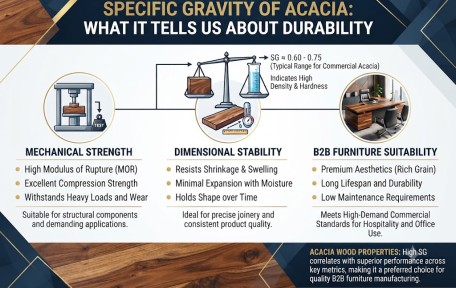
- Shatterproof Durability: Unlike delicate ceramic, which chips and cracks easily under the rigorous demands of commercial food service, Acacia wood is highly resilient, offering a significantly longer product lifecycle and a lower total cost of ownership (TCO).
- Sensory and Tactile Warmth: Acacia wood's organic grain and natural warmth create an inviting, rustic-chic dining atmosphere that aligns perfectly with the modern consumer's desire for biophilic design.
4. FUTURE OUTLOOK: THE INTERSECTION OF ECO-LUXURY, FUNCTIONALITY, AND GUEST EXPERIENCE
The global hospitality sector is undergoing a profound transformation. Modern diners and luxury travelers are no longer satisfied with superficial sustainability; they demand holistic, authentic eco-luxury. Looking ahead, the integration of natural materials like Acacia wood into commercial tableware is projected to accelerate rapidly.
Reducing the Carbon Footprint of Tableware
As restaurants and resorts strive to reduce their carbon footprints, the energy required to manufacture tableware is increasingly scrutinized. Ceramic production involves high-temperature kiln firing, which is highly energy-intensive. Acacia wood, being a renewable, carbon-sequestering resource, represents a significantly lower environmental impact. When sourced from responsibly managed forests, Acacia products support circular economy goals.
The Growth of Experiential Dining
Furthermore, the trend toward outdoor dining, experiential catering, and wellness retreats requires tableware that can withstand diverse environmental conditions while maintaining food quality. Acacia's natural thermal insulation and weather-resistant properties make it the ideal material for the future of eco-conscious hospitality. It bridges the gap between high-performance physics and organic elegance.
5. STRATEGIC RECOMMENDATIONS FOR GLOBAL B2B BUYERS AND HOSPITALITY SOURCING
For global procurement managers, interior designers, and brand owners looking to capitalize on this thermal revolution, we recommend the following strategic actions:
1. Prioritize Certified Supply Chains
Partner with established manufacturers like Ngoc Dong Ha Nam who hold international certifications such as FSC (Forest Stewardship Council), BSCI, and SMETA. This ensures that your Acacia woodware is ethically sourced, legally harvested, and produced under fair labor conditions.
2. Demand Food-Safe, Compliant Finishes
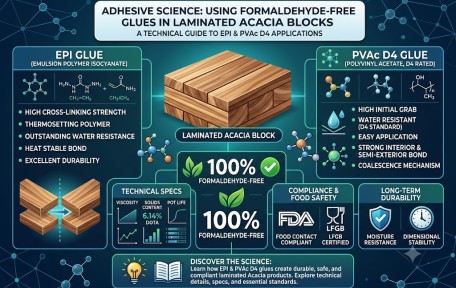
Ensure that all wooden tableware is treated with food-grade, FDA and LFGB-compliant finishes. This protects the wood from moisture absorption while maintaining its natural thermal insulating properties and ensuring total safety for direct food contact.
3. Leverage Customization for Brand Identity
Utilize bespoke design services to create unique Acacia serving boards, bowls, and hollowware that reflect your brand’s aesthetic. Custom engraving and tailored finishes can elevate a standard product into a signature brand asset that communicates quality and eco-consciousness.
4. Educate Staff and Consumers
Highlight the functional benefits of woodware in your marketing and guest interactions. Explaining that the natural wood keeps their food warm longer adds a layer of intellectual value to the dining experience, reinforcing your brand's commitment to innovation and sustainability.
FREQUENTLY ASKED QUESTIONS
Is Acacia wood food-safe for hot liquids and greasy foods?
Yes, high-quality Acacia woodware is food-safe when treated with food-grade, FDA and LFGB-compliant finishes. These finishes seal the wood's pores, preventing the absorption of oils, liquids, and bacteria, while preserving its natural thermal insulation properties.
How does the durability of Acacia wood compare to ceramic tableware?
Acacia wood is highly durable, shatterproof, and resistant to scratching and chipping, making it far more resilient than fragile ceramic. This durability leads to a significantly longer product lifespan in high-traffic commercial hospitality settings.
What are the care instructions for commercial-grade Acacia woodware?
To maintain Acacia wood's structural integrity and thermal properties, it should be hand-washed with mild soap and warm water, and dried immediately. It should never be placed in a dishwasher or microwave, and periodic application of food-safe mineral oil will keep the wood hydrated and lustrous.
How does sourcing Acacia wood align with global ESG standards?
Acacia is a fast-growing, highly sustainable tree that acts as an effective carbon sink. Sourcing Acacia tableware from certified manufacturers like Ngoc Dong Ha Nam, who comply with FSC, BSCI, and SMETA standards, ensures responsible forestry practices and ethical labor compliance, directly supporting global ESG initiatives.