
Acacia vs. Bamboo: Which Material Drives Superior Sustainable Sourcing for Global Retailers?
Essential Highlights
• Bamboo achieves harvest maturity in 3 to 5 years, yielding high renewable biomass, but laminated bamboo processing demands energy and strict chemical resin oversight.• FSC-certified Acacia offers superior structural load durability, lower processing energy, and lower risk of warping in commercial furniture applications.
• Managing moisture content below 12% in both materials is critical to prevent container-level fungal growth and structural cracking during ocean freight.
• Auditing factory chain-of-custody certifications (FSC, BSCI, SMETA) eliminates non-compliance risks under the EU Deforestation Regulation (EUDR) and US Lacey Act.
EXECUTIVE COMPARISON: ACACIA VS. BAMBOO SUSTAINABILITY IN B2B SOURCING
Bamboo yields faster renewable biomass per acre, whereas FSC-certified Acacia provides superior structural durability and lower energy consumption during post-harvest processing. Choosing between these materials requires evaluating full lifecycle impacts rather than relying on surface-level green metrics.
Global retail buyers often assume bamboo is universally superior due to its rapid growth rate. However, total carbon footprint depends heavily on processing resins, energy consumption, and product lifespan.
|
Evaluation Metric |
Bamboo (Laminated/Woven) |
Acacia Wood (Solid) |
|
Harvest Cycle |
3 - 5 Years |
7 - 10 Years |
|
Structural Longevity |
Moderate to High |
High to Exceptional |
|
Processing Energy Needs |
High (Kiln Drying & Resin Curing) |
Moderate (Standard Kiln Drying) |
|
EUDR Compliance Effort |
Low to Moderate |
Strict Origin Traceability Required |
|
Moisture Sensitivity |
High (Susceptible to Mould) |
Moderate (Stable when Kiln-Dried) |
Sourcing directors must balance raw material yield against energy-intensive manufacturing. Misjudging material behavior creates inventory risk, margin erosion, and brand damage.
MATERIAL LIFE CYCLE AND ENVIRONMENTAL FOOTPRINT ANALYSIS
Raw bamboo absorbs up to 35% more carbon dioxide during growth than standard timber, but solid acacia requires far less processing energy to manufacture finished commercial goods. Bamboo rapidly regenerates without replanting because it is a grass. This rapid cycle makes it an extraordinary carbon sink in forest management.
Converting raw bamboo into flat boards or commercial tableware requires heavy mechanical slitting, boiling, and urea-formaldehyde or eco-resin bonding. This carbon-intensive assembly can offset initial environmental gains if factory equipment is inefficient.
Conversely, Acacia is a fast-growing hardwood species grown extensively across Vietnam in sustainable plantations. Harvesting requires 7 to 10 years, but solid wood conversion uses standard milling and kiln drying. Which process fits your net-zero timeline?
- Bamboo Carbon Capture: Sequestration rates reach up to 12 tons of CO2 per hectare annually during peak growth.
- Acacia Processing Energy: Consumes roughly 40% less thermal and electrical energy per cubic meter of finished goods compared to engineered bamboo boards.
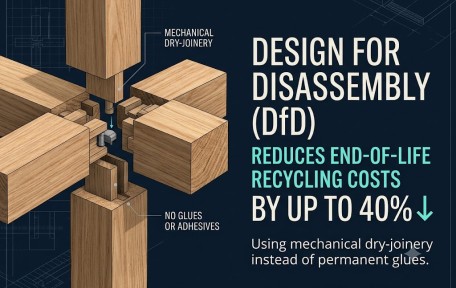
- End-of-Life Biodegradability: Solid Acacia decomposes naturally without synthetic resin contamination, unlike poorly formulated composite bamboo products.
SUPPLY CHAIN RISK MANAGEMENT: MOISTURE CONTENT, LEAD-TIMES, AND QUALITY DEFECTS
Acacia exhibits superior dimensional stability with proper kiln drying, while laminated bamboo carries higher risks of delamination and mould if factory moisture controls fail. Sourcing managers face significant freight risk when shipping natural items across humid ocean routes.
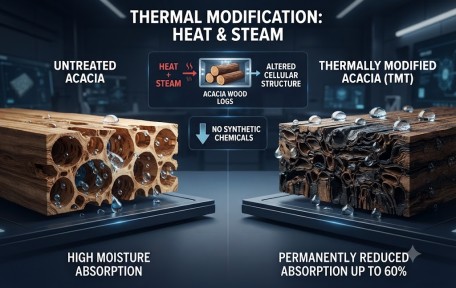
High moisture levels trigger mold outbreaks inside sealed shipping containers. We enforce a strict 8% to 12% moisture content benchmark before packing any shipment.
|
Operational Parameter |
Acacia Furniture & Homeware |
Bamboo Products & Housewares |
|
Standard Lead-Time |
60 - 75 Days |
45 - 60 Days |
|
Target Moisture Content |
8% - 12% |
10% - 12% |
|
Primary Failure Mode |
Surface checking/cracking if dried too fast |
Layer delamination / fungal spots in high humidity |
|
Container Freight Risk |
Low (with proper desiccant placement) |
Moderate to High (requires strict container desiccants) |
Do your current vendors provide digital kiln-drying logs before loading? Inadequate drying protocols cause expensive customer returns and total lot rejections at destination ports.
COMPLIANCE AND AUDIT PLAYBOOK: FSC, BSCI, AND SMETA AUDITS
Verifying material origin through chain-of-custody documentation eliminates illegal logging exposure under EUDR and US Lacey Act regulations. Retail brands face severe fines if their supply chain documentation breaks at the forest level.
FSC Certification (FSC 100% or FSC Recycled) verifies that Acacia timber originates from responsibly managed commercial forests. Bamboo requires similar FSC certification when sourced from natural stands or farmed plantations.
- Social Compliance: BSCI or SMETA (2-Pillar / 4-Pillar) audits verify fair wages, structural safety, and ethical labor standards across Vietnamese manufacturing facilities.
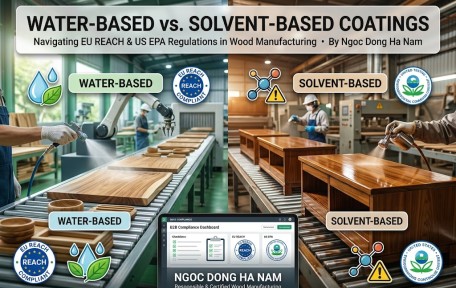
- Chemical Safety: REACH and FDA compliance testing confirms zero toxic leeching from finishes, glues, and varnishes.
- EUDR Readiness: Factory suppliers must provide precise GPS coordinates of forest plots to satisfy European customs authorities.
Without full audit visibility, your enterprise remains vulnerable to regulatory blockades and supply chain disruptions.
COST STRUCTURE AND COMMERCIAL TERMS: FOB VS. CIF ANALYSIS
Securing FOB Vietnam terms for Acacia or Bamboo products provides retail buyers greater freight control and cost transparency compared to CIF arrangements. Sourcing on Free On Board (FOB Hai Phong or FOB Ho Chi Minh) allows buyers to leverage global shipping contracts.
Cost CIF (Cost, Insurance, and Freight) often hides supplier markups on ocean freight and port handling fees. Direct FOB quotes expose true factory unit economics.
|
Cost Driver |
FOB (Free On Board) |
CIF (Cost, Insurance, Freight) |
|
Freight Rate Control |
Buyer Controls Carrier & Rates |
Supplier Selects Carrier |
|
Demurrage Risk |
Managed by Buyer's Logistics Team |
Unpredictable Carrier Surcharges |
|
Customs Clearing Efficiency |
High (Nominated Forwarder handles) |
Variable (Broker dependencies) |
|
Cost Transparency |
100% Direct Factory Price Visibility |
Encapsulated Shipping Margins |
Negotiating volume discounts on mass-produced Acacia salad bowls or Bamboo organizational trays improves gross margin by 8% to 14%. Are hidden freight costs eroding your retail margins?
B2B SUPPLIER VETTING CHECKLIST & PRACTICAL RECOMMENDATIONS
Evaluating a manufacturer's automated kiln-drying logs and social compliance audit history prevents costly container rejection and brand damage. Performing systematic factory audits avoids costly sourcing mistakes.
Before signing high-volume purchase orders, execute this 5-point verification checklist:
- 1. Sample Testing Workflow: Request expedited sample dispatch via FedEx or UPS to evaluate structural joinery, finish coating, and weight distribution.
- 2. Moisture Meter Verification: Require video evidence showing pinless moisture meter readings across 20 random points per batch.
- 3. Raw Material Origin Audits: Inspect FSC chain-of-custody certificates to ensure timber logs are legally harvested and compliant with EUDR.
- 4. Social Audit Reports: Review valid BSCI or SMETA audit reports dated within the last 12 months with zero critical non-conformities.
- 5. Production Scalability: Confirm monthly factory capacity can accommodate peak seasonal spikes without outsourcing to unverified sub-contractors.
Partnering with vertically integrated Vietnamese manufacturers secures reliable supply chains, consistent lead-times, and sustainable margin growth.
This piece is written by Thong Nguyen, Co-owner & Sales Director at Ngoc Dong Ha Nam Co., Ltd. Drawing on 25+ years of expertise in manufacturing export handicrafts, our team delivers premium bamboo, rattan, water hyacinth, and acacia solutions tailored for global retailers.
FREQUENTLY ASKED QUESTIONS
Is Acacia wood more durable than Bamboo for outdoor and indoor furniture?
Acacia wood offers higher natural density and natural oils that resist weather degradation, making it structurally superior to laminated bamboo for long-term indoor and outdoor furniture use.