Cutting Woodworking Lead Times by 45%: The ERP Transformation Global Furniture Buyers Need
Core Insights
• ERP systems reduce woodworking production lead times by 35% to 45% through automated dynamic scheduling and material planning.• Automated Bill of Materials (BOM) prevents material stockouts in acacia timber, rattan, and natural fiber components.
• Integrated quality management within ERP cuts furniture defect rates below 0.8% prior to container loading.
• ERP supplier portals give global B2B buyers real-time visibility into production milestones and reliable OTIF delivery dates.
DELAYED ORDERS ARE RUINING WHOLESALE FURNITURE PROFITS
Enterprise Resource Planning (ERP) in woodworking cuts lead times by up to 45% by eliminating scheduling bottlenecks, raw material shortages, and shop-floor opacity.
For global furniture buyers, delayed shipments are not just minor inconveniences. They destroy profit margins and strain retail relationships. Have you ever lost a seasonal promotion because a supplier miscalculated acacia timber drying cycles?
Production delays rarely begin on the assembly line. They stem from fragmented communications, manual inventory logs, and disconnected spreadsheets long before raw lumber reaches a CNC machine.
Traditional woodworking factories operate in departmental silos. Procurement buys timber based on historical estimates. Machine operators guess daily capacity. Shipping managers discover delayed containers only hours before scheduled port loading.
|
Production Stage |
Traditional Manual Bottleneck |
ERP-Integrated Solution |
|
Material Sourcing |
Manual checks delay timber ordering by 7–10 days. |
Automated reorder triggers prevent material stockouts. |
|
Kiln Drying |
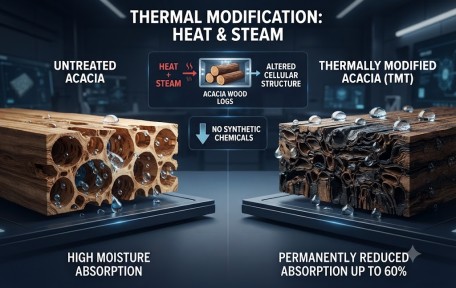
Untracked moisture logs cause costly batch rework. |
IoT moisture tracking ensures optimal kiln scheduling. |
|
Assembly Line |
Unplanned downtime stalls downstream hand-crafting. |
Real-time shop floor alerts re-route active tasks instantly. |
HOW ENTERPRISE RESOURCE PLANNING (ERP) ELIMINATES WOODWORKING BOTTLENECKS
ERP systems optimize woodworking lead times by synchronizing raw material procurement, kiln drying schedules, automated cutting paths, and real-time shop floor tracking into one unified database.
How exactly does ERP software transform raw logs into finished accent furniture ahead of schedule? It replaces speculative guesswork with deterministic data. When a buyer places a purchase order, the system instantly generates an accurate multi-level Bill of Materials (BOM).
Material Requirements Planning (MRP) modules cross-reference inventory levels for FSC-certified acacia lumber, bamboo panels, and woven rattan elements. If timber requires 14 days in the drying kiln to reach target moisture content, the ERP schedules this phase automatically based on real-time kiln availability.
Operational efficiency increases across three key dimensions:
- Automated Yield Calculations: Precise material software minimizes wood waste and prevents mid-production component shortages.
- Dynamic Machine Capacity Planning: Tasks automatically shift to available CNC machines when maintenance occurs.
- Supplier Integration: Hardware, varnish, and packaging vendors receive automated inventory reorder alerts directly.
WHY ERP-DRIVEN SOURCING DELIVERS PREDICTABLE LEAD TIMES AND SUPERIOR QUALITY
Global buyers gain end-to-end supply chain visibility, predictable shipping schedules, and uncompromising product quality when partnering with ERP-digitized wood manufacturers.
Predictability is the ultimate competitive advantage in international B2B furniture procurement. When sourcing high-volume collections, you need total transparency regarding production milestones. ERP portals provide buyers with live status updates from timber cutting to final carton packing.
Speed never compromises product standards in a digitized factory environment. Automated quality control gateways monitor timber moisture levels and finishing cure times at every milestone. Defective components are flagged and re-fabricated before reaching final assembly.
|
Performance Metric |
Traditional Woodworking Factory |
ERP-Digitized Factory |
|
Average Production Lead Time |
60 – 75 Days |
35 – 45 Days |
|
On-Time In-Full (OTIF) Delivery |
68% |
98.5% |
|
Product Defect Rate |
4.2% |
Under 0.8% |
|
Buyer Milestone Visibility |
Manual weekly emails |
24/7 Live dashboard portal access |
PARTNERING WITH DIGITIZED VIETNAMESE WOOD MANUFACTURERS FOR RELIABLE SUPPLY CHAINS
Securing resilient supply chains requires partnering with certified manufacturers that combine digital ERP precision with sustainable, high-volume production capacities.
Ready to eliminate costly shipping delays and streamline your upcoming furniture collections? Transitioning your sourcing strategy to ERP-driven manufacturers is the most impactful step toward risk-free supply chain operations.
At Ngoc Dong Ha Nam, we pair 25+ years of natural fiber craft heritage with modern ERP enterprise management. Our state-of-the-art facilities produce acacia wood, bamboo, rattan, and water hyacinth furniture under strict BSCI, FSC, and SMETA compliance. Contact our sales engineering team today to request a custom OEM/ODM production lead-time quote.
This piece is written by Thong Nguyen, Co-owner & Sales Director at Ngoc Dong Ha Nam Co., Ltd. Drawing on 25+ years of expertise in manufacturing export handicrafts, our team delivers premium bamboo, rattan, water hyacinth, and acacia solutions tailored for global retailers.
FREQUENTLY ASKED QUESTIONS
How does ERP software directly shorten lead times in wood manufacturing?
ERP software shortens lead times by automating inventory procurement, optimizing timber kiln drying schedules, and dynamically routing production tasks across CNC machines to eliminate downtime.
Can ERP systems effectively track natural materials like bamboo, rattan, and water hyacinth?
Yes, modern enterprise ERP platforms handle complex multi-material Bills of Materials (BOM), tracking natural fiber drying status, weaving assembly labor hours, and timber components simultaneously.
What impact does ERP implementation have on On-Time In-Full (OTIF) delivery rates?
ERP integration typically increases factory OTIF delivery rates from under 70% to over 98% by resolving material shortages weeks in advance and streamlining quality inspections.
How do B2B furniture buyers track order milestones in an ERP-enabled factory?
Global buyers access secure online portals fed directly by factory ERP data, providing real-time visibility from raw timber processing to container loading and export documentation.