How to Maximize Retail Display Space with Tiered Serving Trays: A Buyers Step-by-Step Guide
Essential Highlights
• Tiered serving trays expand merchandise density per square meter by utilizing vertical retail display space effectively.• Selecting natural materials like FSC-certified acacia, rattan, and bamboo creates visual warmth while supporting retail sustainability goals.
• Applying a 60-30-10 weight distribution rule across tray tiers ensures display stability in high-traffic retail environments.
• Positioning top-tier hero products at eye level (1.2m to 1.5m) increases customer engagement and impulse sales.
• Partnering with BSCI and SMETA-certified manufacturers guarantees commercial durability and seamless global compliance.
INTRODUCTION: WHY VERTICAL MERCHANDISING MAXIMIZES RETAIL REVENUE
Tiered serving trays maximize retail display space by utilizing vertical height, increasing product density per square foot without creating visual clutter. Vertical merchandising draws the customer's eyes upward. It turns flat counters into dynamic visual landscapes. High-density retail environments demand smart visual merchandising solutions that drive higher sales per square meter.
Why settle for flat, two-dimensional arrangements on expensive floor space? Tiered trays solve space constraints while elevating perceived product value. Retail buyers and interior stylists utilize multi-tier trays crafted from natural materials like acacia wood, rattan, and bamboo to introduce organic warmth. These handcrafted pieces transform utility display fixtures into high-converting decorative focal points.
PREREQUISITES: SELECTING MATERIALS AND TIER CONFIGURATIONS FOR COMMERCIAL RETAIL
Selecting the ideal tiered serving tray requires matching natural material properties and tier geometry to your specific retail product categories and weight requirements. Commercial retail displays demand durable, low-maintenance materials that withstand continuous customer interaction.
Before setting up your display, evaluate material durability and visual harmony. Solid acacia wood offers heavy-duty structural integrity and moisture resistance. Woven rattan and seagrass add tactile warmth and coastal aesthetic appeal. Lightweight bamboo provides clean geometric lines perfect for Scandinavian or contemporary retail interiors.
|
Material |
Load Capacity |
Key Aesthetic Appeal |
Ideal Retail Product Categories |
|
Solid Acacia Wood |
High (Up to 15kg) |
Rich grain, warm dark tones |
Heavy ceramics, artisanal jars, bottled goods |
|
Woven Rattan & Seagrass |
Medium (Up to 7kg) |
Organic texture, bohemian charm |
Skincare products, folded linens, bakery items |
|
Laminated Bamboo |
High (Up to 10kg) |
Sleek, modern, uniform finish |
Luxury spa goods, packaged teas, table accessories |
|
Water Hyacinth & Frame |
Medium-High (Up to 10kg) |
Soft tactile weave, rustic contrast |
Gourmet snacks, packaged coffees, bath accessories |
Step 1: Map Vertical Focal Points and Align Product Sight Lines
Mapping vertical focal points involves placing your highest-margin or most visually striking merchandise at the primary visual level between 1.2 and 1.5 meters from the retail floor. Aligning sight lines ensures shoppers notice key SKUs instantly upon entering the display zone.
Eyes naturally sweep horizontal surfaces quickly, but vertical structures halt visual fatigue. Position 3-tiered trays on accent tables to create immediate focal interest. Place larger anchor items on the bottom tier and smaller impulse items on the top tier to guide the shopper's eye motion smoothly upward.
Does your present tabletop display cause customer eye fatigue? Elevating featured SKUs using two-tier or three-tier natural wood stands creates a frictionless browsing experience. This intentional elevation increases shopper dwell time and drives impulse purchase decisions.
Step 2: Group Products by Material Synergy and Cross-Merchandising Narratives
Grouping products on tiered trays requires pairing natural tray textures with complementary packaged goods to build cohesive cross-merchandising stories. Effective product grouping encourages multi-item purchasing in a single retail interaction.
Commercial retail displays succeed when materials enhance product perception. For kitchenware displays, pair natural acacia tiered stands with hand-carved olivewood utensils, artisanal olive oils, and ceramic spice jars. For luxury bath collections, align hand-woven water hyacinth tiered trays with rolled organic cotton towels, essential oils, and handmade soaps.
- Tier 1 (Bottom): Heavy anchor merchandise and bulk items (e.g., jarred sauces, large ceramic teapots, boxed sets).
- Tier 2 (Middle): Core medium-sized SKUs (e.g., gourmet tea tins, scented candles, skin lotions).
- Tier 3 (Top): Premium hero products, high-margin impulse items, or tester units (e.g., solid perfumes, lip balms, mini essential oils).
Step 3: Calculate Structural Balance and Weight Distribution
Ensuring structural balance requires enforcing a 60-30-10 weight ratio from bottom to top tier while placing weight symmetrically around the center vertical post. Strict balance calculations protect merchandise and preserve tray integrity during busy retail hours.
Stability is critical in high-traffic retail stores where shoppers actively handle products. Unbalanced displays tip easily when customers retrieve items from upper tiers. Always specify commercial-grade tiered trays manufactured with solid stainless steel rods or reinforced wooden center dowels.
Will your fixture withstand intense customer interaction on peak weekends? Test structural stability by loading 60% of total display weight onto the lowest tier. This heavy base lowers the center of gravity, preventing accidental tipping while keeping upper shelves easily accessible.
Step 4: Integrate Ambient Lighting and Seasonal Display Accents
Integrating directional ambient lighting with natural material trays eliminates dark shadow zones under upper tiers while highlighting handcrafted surface textures. Proper illumination directly enhances product visibility and visual appeal.
Vertical display tiers often block overhead store lighting, creating shadows on lower levels. Angle focused 3000K warm LED spotlights directly onto the top shelf to allow light to filter naturally through open woven rattan or warm wood surfaces onto lower tiers.
Refresh your retail displays seasonally without replacing major fixtures. Introduce seasonal botanical elements like dried floral bundles in autumn or fresh eucalyptus sprigs in spring directly onto the tray base. These cost-effective styling adjustments keep retail environments feeling dynamic and engaging.
CONCLUSION: SOURCING COMMERCIAL-GRADE TIERED DISPLAYS FOR GLOBAL SUPPLY CHAINS
Sourcing commercial-grade tiered serving trays from certified handicraft manufacturers ensures exceptional product durability, global regulatory compliance, and reliable bulk supply chain performance. High-volume procurement demands strict quality verification before placing production orders.
Global retail chains demand display fixtures that withstand rigorous store use while satisfying international sustainability frameworks. Partnering with established Vietnamese handicraft exporters guarantees access to FSC-certified timber, BSCI social compliance, and non-toxic food-safe lacquer finishes meeting FDA and EU standards.
- Compliance: Demand verified BSCI, SMETA, and FSC certificates prior to issuing purchase orders.
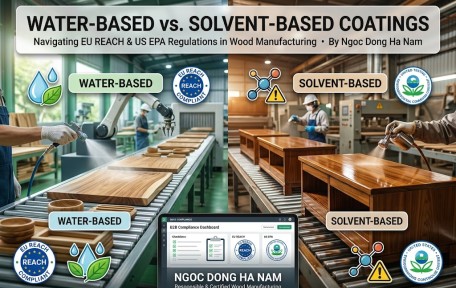
- Finishes: Confirm non-toxic, low-VOC, food-safe protective coatings on all food-contact trays.
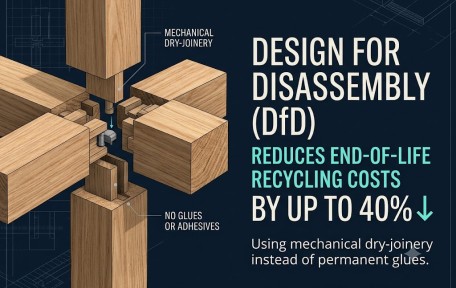
- Logistics: Require knock-down (KD) flat-pack assembly options to optimize ocean container loading density.
- Customization: Partner with manufacturers offering bespoke OEM/ODM dimensioning and laser branding.
This piece is written by Thong Nguyen, Co-owner & Sales Director at Ngoc Dong Ha Nam Co., Ltd. Drawing on 25+ years of expertise in manufacturing export handicrafts, our team delivers premium bamboo, rattan, water hyacinth, and acacia solutions tailored for global retailers.
FREQUENTLY ASKED QUESTIONS
How do tiered serving trays increase retail sales volume?
Tiered serving trays increase sales volume by utilizing vertical space, which raises product density per square foot while placing high-margin items directly at eye level (1.2m to 1.5m). This dynamic visual structure attracts shopper attention, extends dwell time, and stimulates impulse purchases.
Which natural materials are best for heavy commercial tiered displays?
Solid acacia wood and structural laminated bamboo are best for heavy commercial displays because they offer high structural density and load capacities up to 15kg. In contrast, woven materials like rattan and seagrass are ideal for lighter merchandise under 7kg.
What structural standards should global buyers verify when sourcing tiered trays?
Global buyers should verify BSCI or SMETA social audit compliance, FSC certification for wooden and bamboo materials, non-toxic food-safe finish compliance (FDA/EU), and reinforced center rod load stability tests.
Can tiered serving trays be customized for retail OEM branding?
Yes, certified B2B handicraft manufacturers provide full OEM/ODM customization for tiered trays, including custom tier diameters, laser-engraved brand logos, bespoke color stains, and custom knock-down packaging.